

Helsinki is the capital of Finland and its largest city and is located on a granite peninsula on the northern coast of Finland, facing the Baltic Sea.King Gustavus Vasa of Sweden founded Helsinki in 1550, and in 1808 the city was incorporated into the Grand Duchy of Finland.
About
Best period
The best months for good weather in Helsinki are June, July, August and September.
The coldest months are January and February.
Tourist Attractions
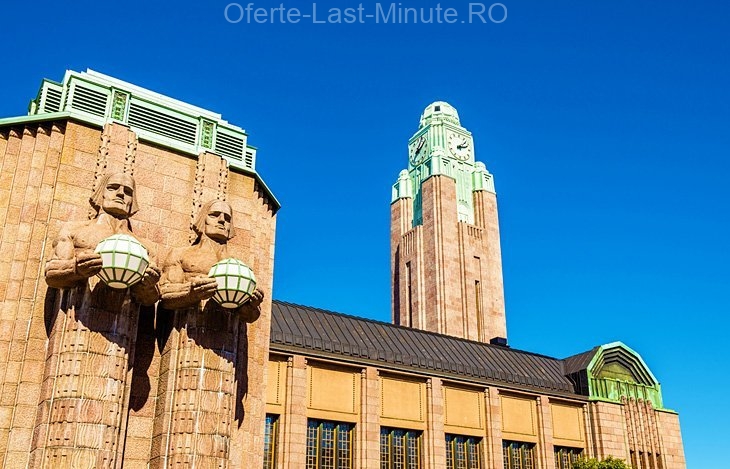 The Art Nouveau Station (Helsingin Päărautatieasema) originally originally from Helsinki was designed by Eliel Saarinen and is particularly remarkable for American tourists, because his 48 -meter clock tower was the first of several models that eventually led to Chicago Tower Tower in 1922 - the first America -skyscrapers.
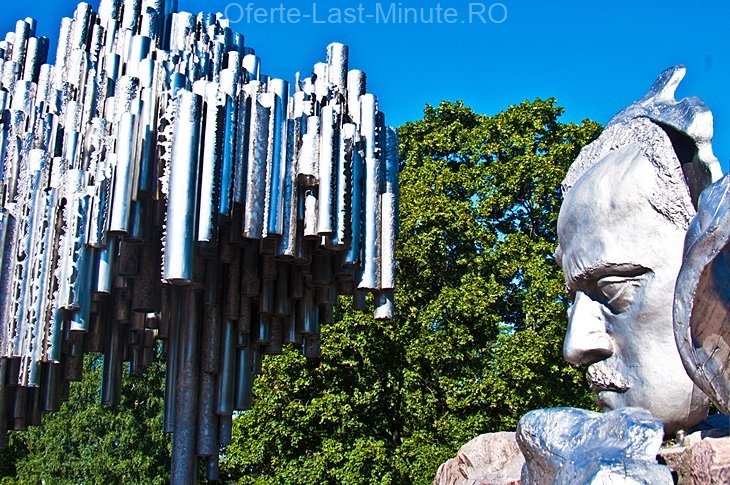 Designed by Eila Hiltunen, the monument of the great Finnish composer was revealed in 1967 and raised immediate controversies, and not few critics.The original monument Sibelius (Sibelius-monumenti) was made up of a collection of large metal pipes that create music as the breeze blows through them.The monument is part of the beautiful Park Sibelius, one of the many in the Finnish capital.
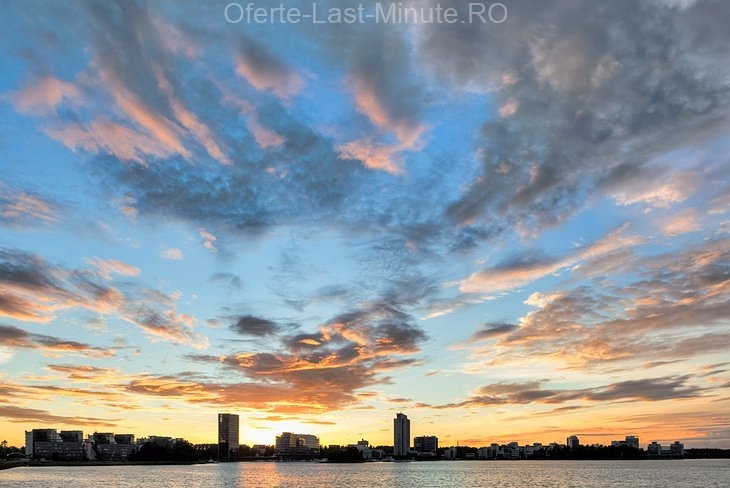 On the other side of the bay in Seurasaari, near Helsinki, is the city of Garden Tapiola, which is now part of Espoo.For those fascinated by the experimental urban planning ideas of the post -war period, this is a necessity.Built in the 1950s as an example of modern urbanism, the city now has the sensation of a star Trek set.The new Center for Cultural Activities was designed by the architect Arto Sipinen and was opened in 1989. There are several available specialty stores, as well as sports facilities.
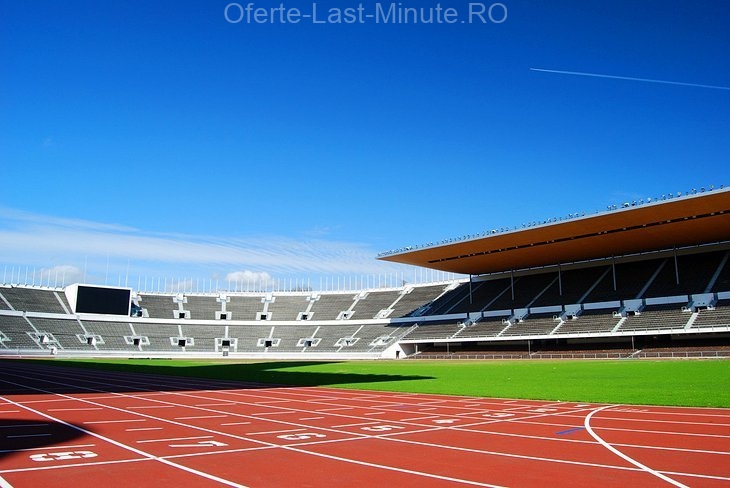 To the north of the Finland Hall, at the top of Lake Tölönlahti is the old fairs and, beyond that, the Helsingin Olympiastadion).Built in 1938, it has a 72-meter high tower, from which you can see a magnificent view of the city (it is served by a lift).Canceled during the fights, the Olympic games eventually took place in Helsinki in 1952. Inside the stadium is the Finnish Sport Museum, and in front of the entrance is a statue of the Great Finnish Olympic runner, Paavo Nurmi (1897-1973).Beyond the lawn, in front of the swimming stadium is the Municipal Park, a large summer flowers and a perfect place for a picnic.The swimming stadium is open to visitors in summer, with excellent facilities.
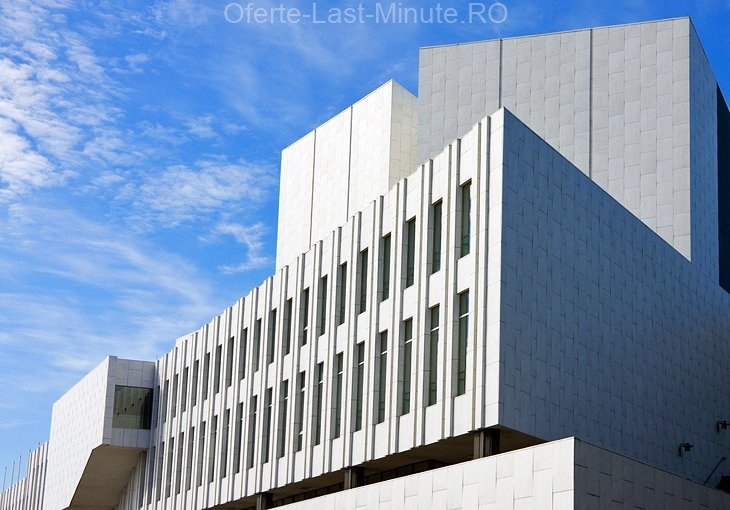 To the north of the Municipal Museum in Helsinki, on the shore of the Bay of Tölö (Tölönlahti), there is the Finland hall, a concert hall and conventions designed by Alvar Aalto and built in 1971 with a white marble facade.The marble is also used inside the structure.The details appear in hard wood and ceramic. In the main concerts is an amazing place and is famous for its acoustics.Another special feature is the wide Venetian scale that leads from the ground floor to both the main audience and the room music.The final act of the Conference on Security and Cooperation in Europe was signed here in July 1975. In the north of the hall there is an excellent park (which houses large chess planks and chess pieces) and beyond it is again the new Finnish National Opera, inaugurated in November 1993 with a representation of the opera.Aulis Sallinen.Go to the website for frequent updates on events, prices and openings.
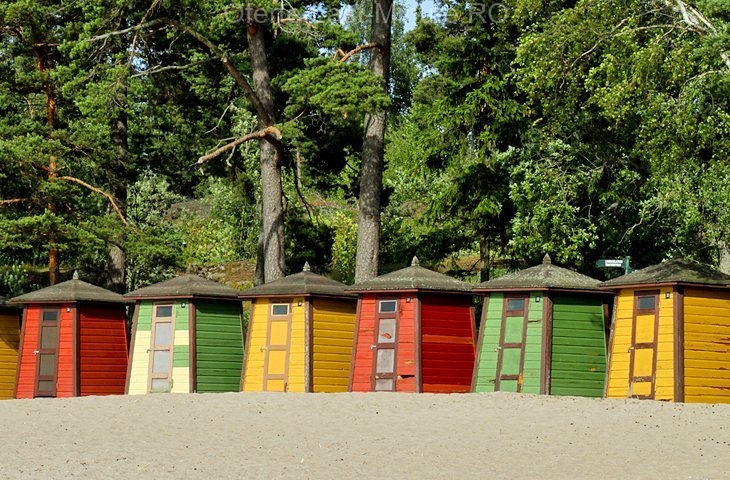 On the coast, to the south and east of the main station is the boating stadium at the 1952 Olympics, the Caiac and Canoe rental and the beautiful sandy beach in Hietaniemi.Beside there are more open fields used frequently as football parks, several restaurants and a public sauna. There are the fascinant and park-the Hietaniemi Cremite, with a cross on its highest, commemorating the fallen heroes of the Republic.And here is buried Marshal Mannerheim (1867-1951).A section of the cemetery is dedicated to the Jewish population of the city
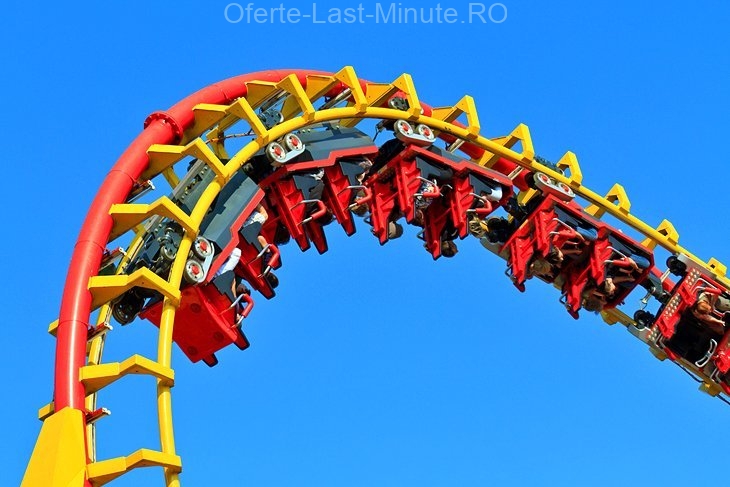 To the east of the Helsinki Olympic Stadium, beyond the railway line, is the Linnanmäki amusement park, with a water tower, a back and a huge wheel.Together with the nearby television tower, it forms a striking vision of the Helsinki horizon.The prices and input hours vary throughout the year and change frequently, so make sure you check the website for the latest information.
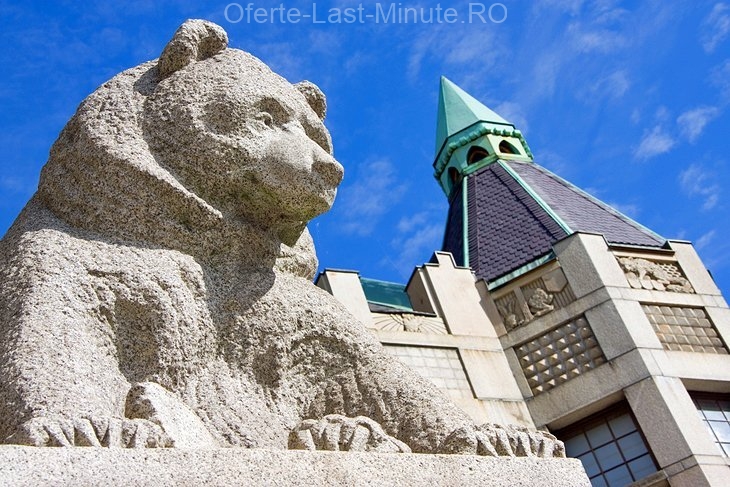 The National Museum of Finland (Kansallismuseo) was built in 1912 in a national Romanian style, the pre-acquisition of Finland of the Art Nouveau movement that was popular in Europe at that time.This style is especially appropriate for a museum whose purpose is to collect and interpret materials about Finland's culture and ethnography.The prehistoric section is the largest permanent collection of archaeological materials in the country.Various displays also documents the development of Finland in the Middle Ages through the Swedish and Russian empires and in a modern state.The frescoes were painted by Akseli Gallén-Kallela, perhaps the best known artist of Finland.Opposite the National Museum, in a park, is the Municipal Museum.
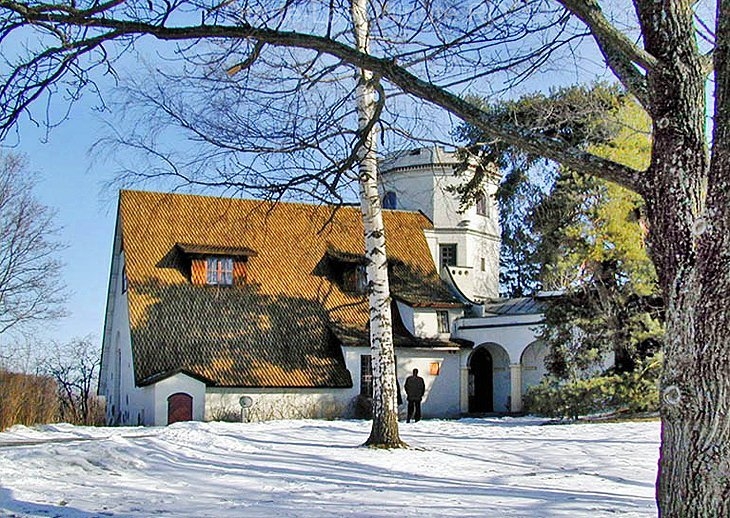 Akseli Gallen-Kallela is probably the most important and certainly the most impressive painter in Finland.The Gallen-Kallela House was built in 1911-13.Better known as Tarvaspää, the house was open to the public under the name of the Gallen-Kallela Museum in 1961. It contains a permanent exhibition of Gallen-Kallela paintings, graphs and instruments.An excellent cafe is located on the spot, as well as a small small store.It can be reached by car or on the pedestrian road and for bicycles from Munchkiniemi in Helsinki and Ruukinranta in Espoo.
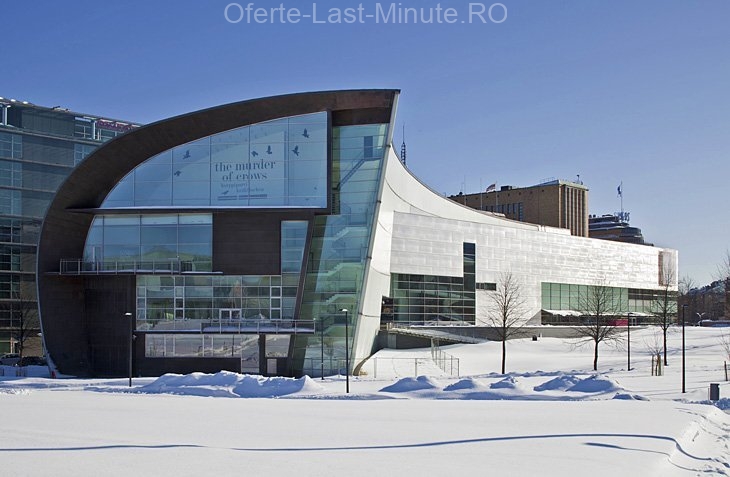 In a renowned land for its last-minute native architects, it is ironic that the building considered one of the Finnish landmarks of modern architecture was designed by American architect Steven Holl.The curved exterior continues inside, creating uniquely suitable exhibition spaces for exposing contemporary art.The property has a cafe and a shop.
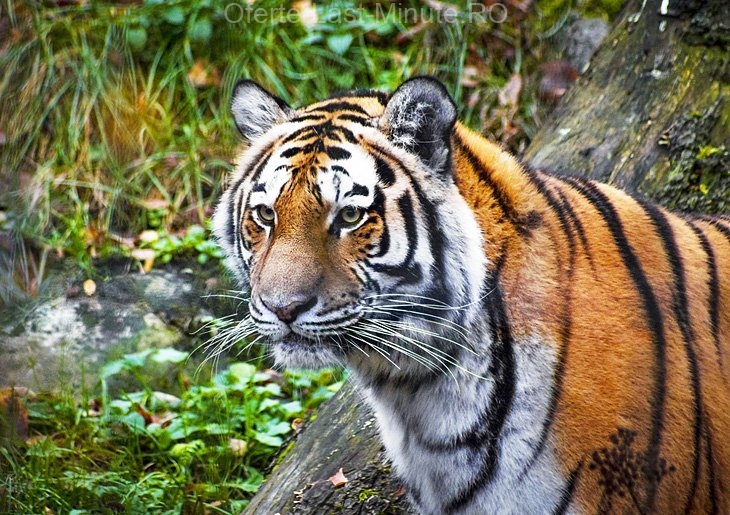 Founded in the 1880s, the Korkeasaari Zoo is one of the oldest in the world and holds a primordial place for its exceptional reproduction programs for endangered species.They were very successful with the reproduction of snow leopards and other large cats, such as Amur and Siberian Tiger.The zoo is open throughout the year, and the visit of tropical houses is one of the favorite things to do in Helsinki in winter.The rest of the year, you can get here by bus.
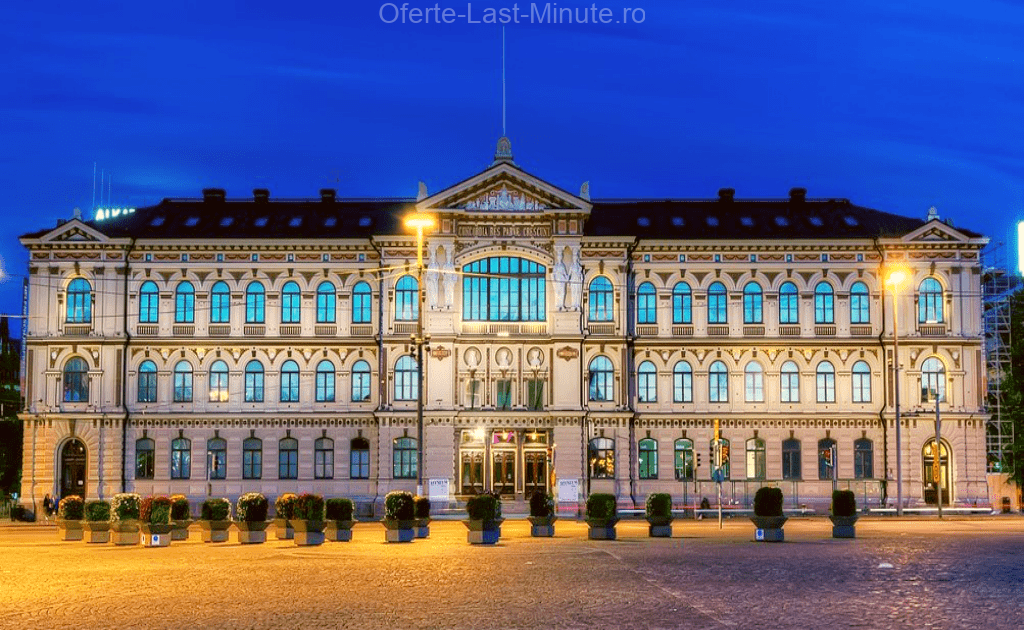 The Athenaea in Helsinki (do they also have a Athenaeum, what did you think?) Shelter the most well-known art museum in Finland museum that includes some of the most beloved Finnish art works dating from the 1950 century.Von Wright, Pekka Halonen and many other Finnish renowned artists.With a collection of over 20,000 works, including paintings, graphics, drawings and sculptures from the 17th-19th centuries, here you will also find the works of the great artists such as Opera Monk Reading by Rembrandt or Auvers-sur-Oise street signed by Vincent Van Gogh.Moreover, here you can visit the Academy of Art in Finland, designed by the architect Theodor Höijer.
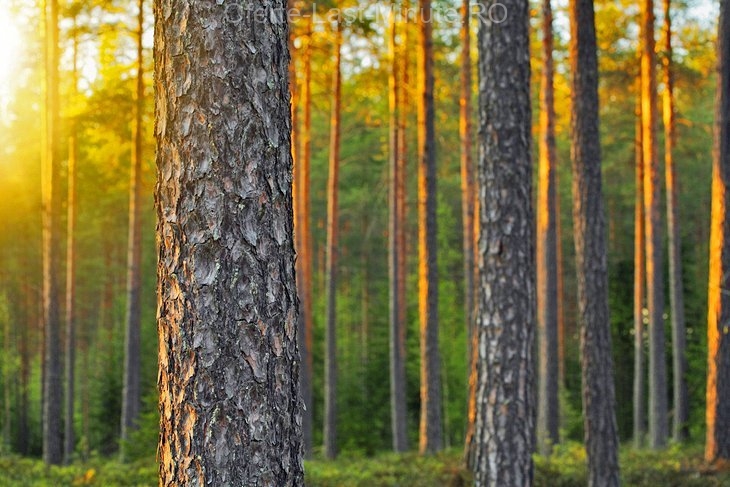 The Helsinki (Keskuspuisto) Central Park is a massive green space right in the middle of the city.Covering more than 10 square kilometers, the park starts at the Olympic Stadium near the Bay of Tölönlahti and extends north in the Vanta community, in the Palohein Forest, where there is a large area of background ski.Is loaded with bicycle and walking routes and other activity areas. N Nadress: 00630 Helsinki
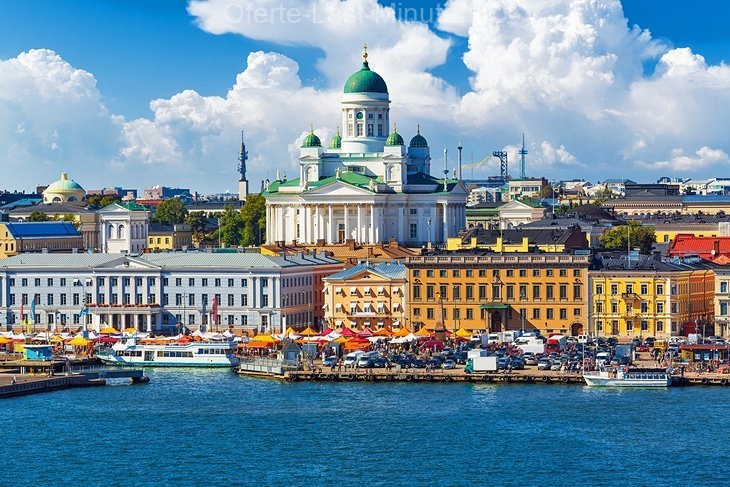 The market market (KaupaTori) is the main planned and paved market in the Helsinki center and is one of the most popular outdoor markets in northern Europe.It is bordered with the Baltic Sea at the eastern end of Esplanadi, it is full of stands that sell Finnish dishes, flowers and tourist souvenirs.There are often even fishing boats lined up in water that sell seafood directly from the boat.However, visitors should follow their food carefully, because the seagulls on the market are large and burned and will snatch the food from the unexpected tables.
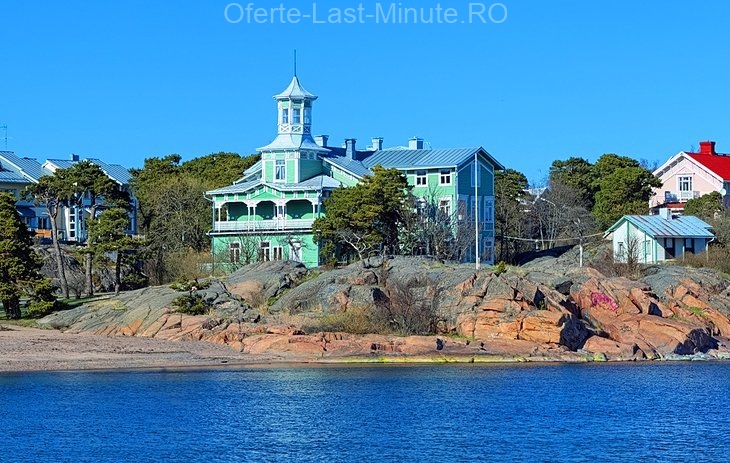 A beautiful city on the coast, 130 kilometers west of Helsinki, Hanko is a bilingual, blessed port city with about 10,000 people.Due to its location, Hanko has been challenged for more than a thousand years.The Swedes and the Russians wore several battles here in the seventeenth and eighteenth centuries.In 1809, the Russians took over several Swedish forts. In the noon itself was officially founded in the 1870s and later served as a key transit point for the Finns leaving for the United States.The Finns and the Russians wore a very bloody battle here in 1941. The city's architecture talks about its history with a mixture of Swedish and Russian styles.Is full of excellent cafes and restaurants
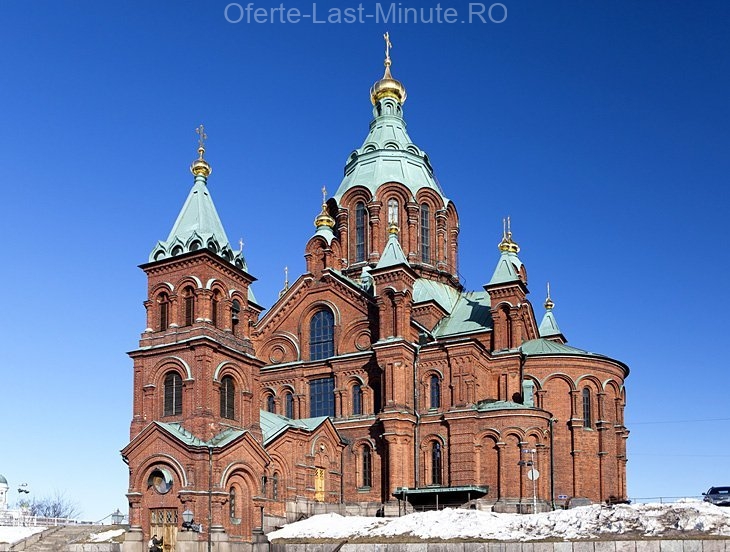 One of the two imposing churches that dominate the horizon above the Helsinki port, the Uspenski Cathedral (Uspenskin Katedraali) is an attraction.This amazing brick building is noted for its multiple towers and towers covered by 13 golden domes. In the nineteenth of this Orthodox church it is equally impressive, full of altars, icons and crosses, the complicated models on its arches are placed on the marble block and a predominance of gold.Helsinki
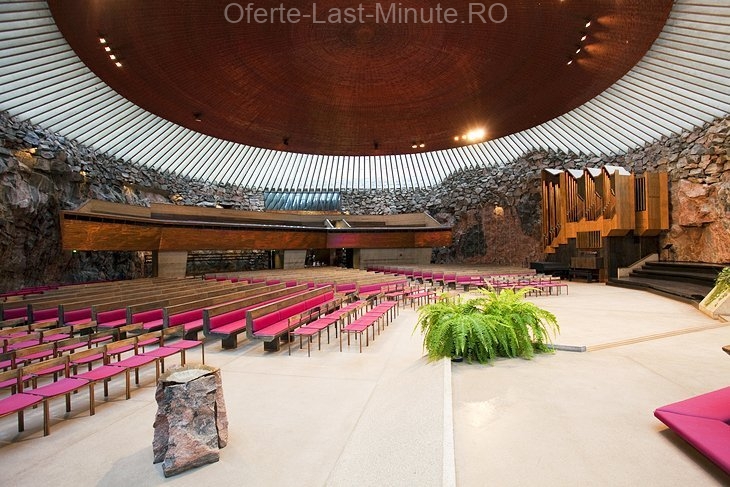 North of the Hietaniemi area of Helsinki, along Fredrikinkatu, is the rock church in Helsinki.Designed by Timo and Tuomo Suomalainen in the late 1960s, the underground interior of the church was carved and built directly in the old solid rock in the Helsink Peninsula.It has a shallow circular dome (13 meters high) of copper and glass sheet supported on concrete ribs.The church is also used as a concert hall thanks to its excellent acoustics created by the gross and non -resigned stone surfaces.Guide tours are available and, if you visit summer, make sure you visit the cafe in the enclosure for a unique culinary experience.
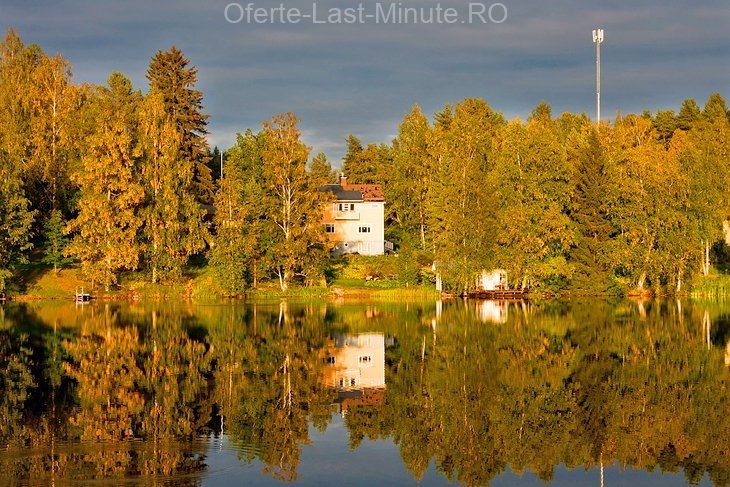 Ainola was the house of the world -renowned composer Jean Sibelius and his wife Aino.Located on the banks of the amazing Lake Tuusula in Järvenpää, about ten kilometers north of Helsinki, was built in 1904 in a classic wooden style typical to the architect Lars sonck.After Sibelius and his wife died, their family sold the State House.It was well preserved and a museum foundation was set up to maintain it.
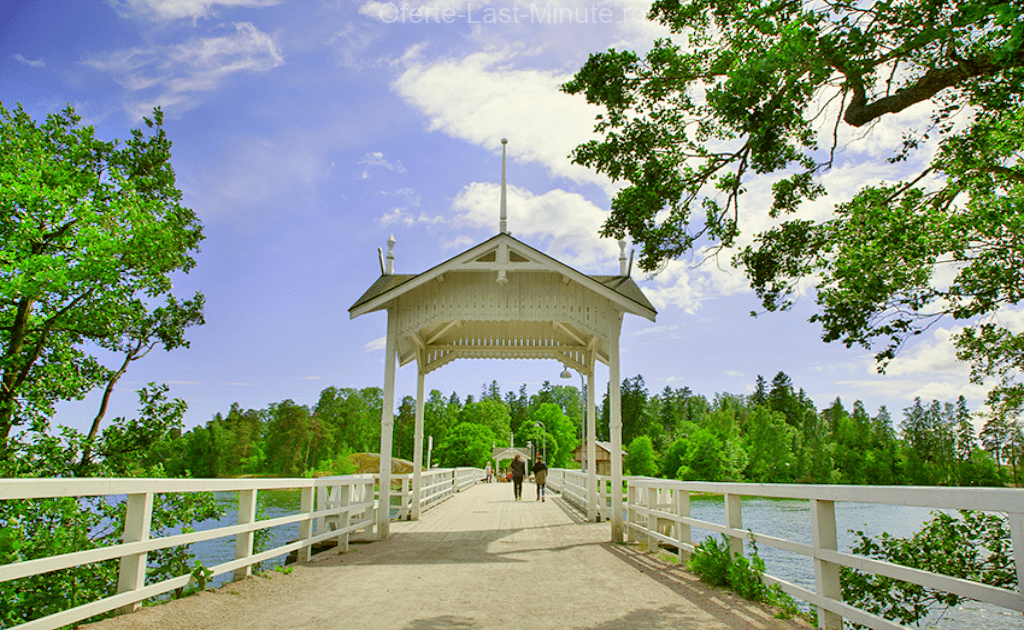 The Seuasari Outdoor Museum is located on one of the islands in the surroundings of Helsinki, just a few kilometers from the city center.Here you will discover a true oasis of peace, and the museum, typically traditional, offers you the opportunity to find out what the Finnish life from the villages involved through an exhibition of typical Finnish houses of the last four centuries, which have been gathered and assembled here from Finland.Thus, you have the opportunity to see mansions, cottages or farms and all kinds of homes of these harsh inhabitants of northern Europe.
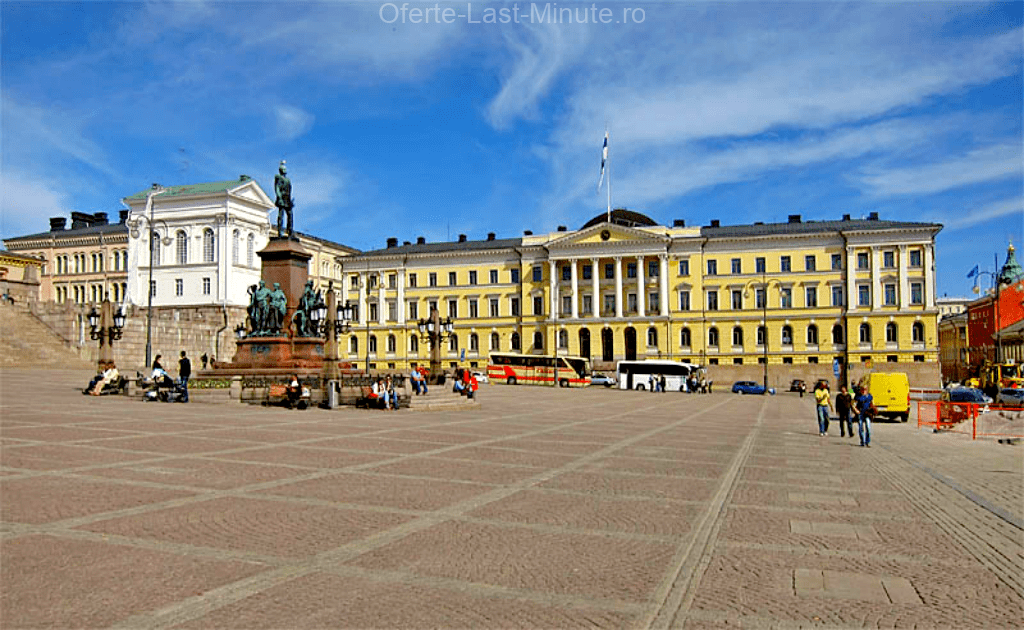 The Senate market represents an attraction in itself not only due to the buildings that surround it but also for the events that take place here;It is no wonder that it is the favorite place for the concerts or various exhibitions - in winter there is an exhibition of the shapes in the snow on a generous area of 7000 square meters.
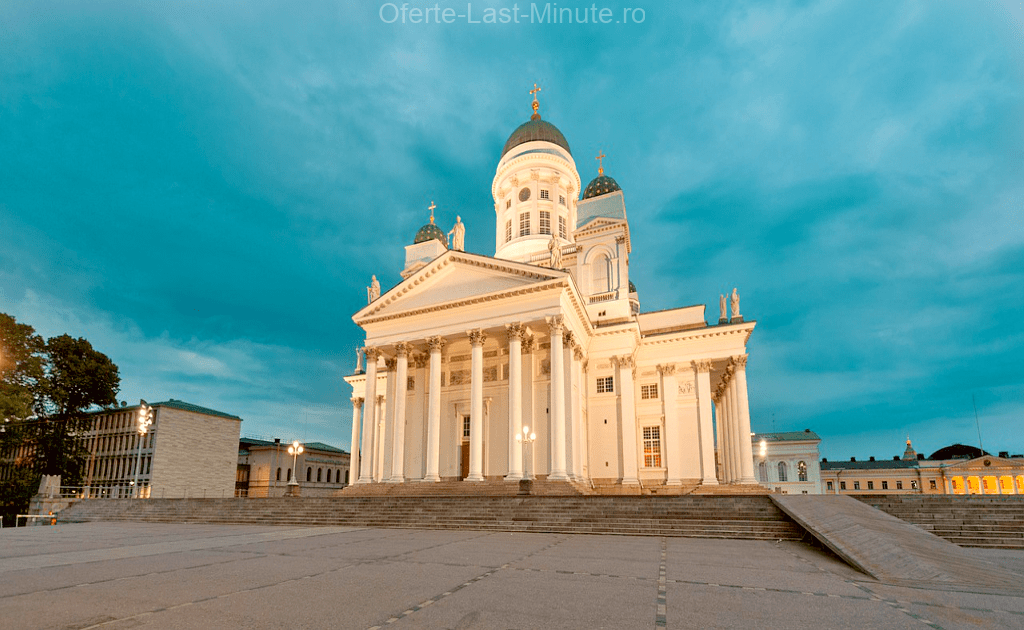 The Lutheran Cathedral of Helsinki is a Lutheran Evangelical Cathedral built in neoclassical style by the architect Carl Engel, but was later modified by the architect Ernst Lohmann, the latter changing his initial structure, adding four towers but also the bell tower and the cape.The roof of the Helsinki Lutheran Cathedral presents the zinc statues of the apostles, considered the largest zinc statues in the world.The imposing exterior contrasts with the simplistic interior, the only points of attraction that stand out being the golden altar - painted in the 1880s, organ, but also the statues of Luther, Agricola and Melanchthon.
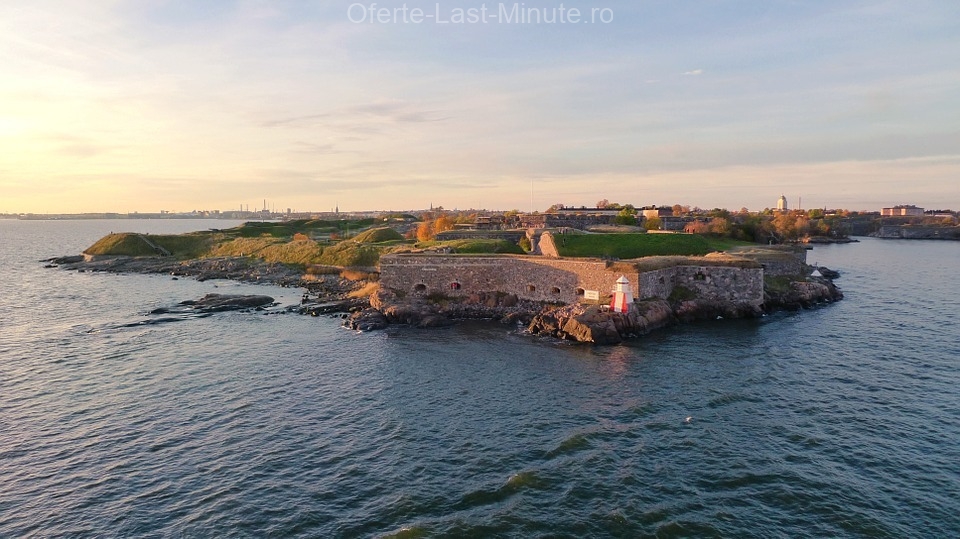 Sumenlinna also called "Gibraltarul Nordului" is a fortification that was built at the middle of the eighteenth century by Augustin Ehrensvard, becoming one of the most popular tourist attractions in Helsinki.What makes him so interesting?First of all, Sumenlinna was raised and resisted during three different times - first contributed to the defense of Sweden, then Russia and finally of Finland.Secondly, it was included in the UNESCO heritage list in 1991. If you want to visit Sumenlinna when you are in Helsinki (and we recommend you to do it), you must know that it is the most accessible with the ferry through the regular daily races in Helsinki, starting the central market.

