

In a city as full of tourist attractions as Venice, it is hard to know where to start.Maybe the best way is to lose yourself only a few hours wandering through its delightful streets and passages, walking next to the channels and finding their secret corners.
About
Best period
The best months for good weather in Venice are April, May, June, July, August, September and October
January is the coldest month of the year
Tourist Attractions
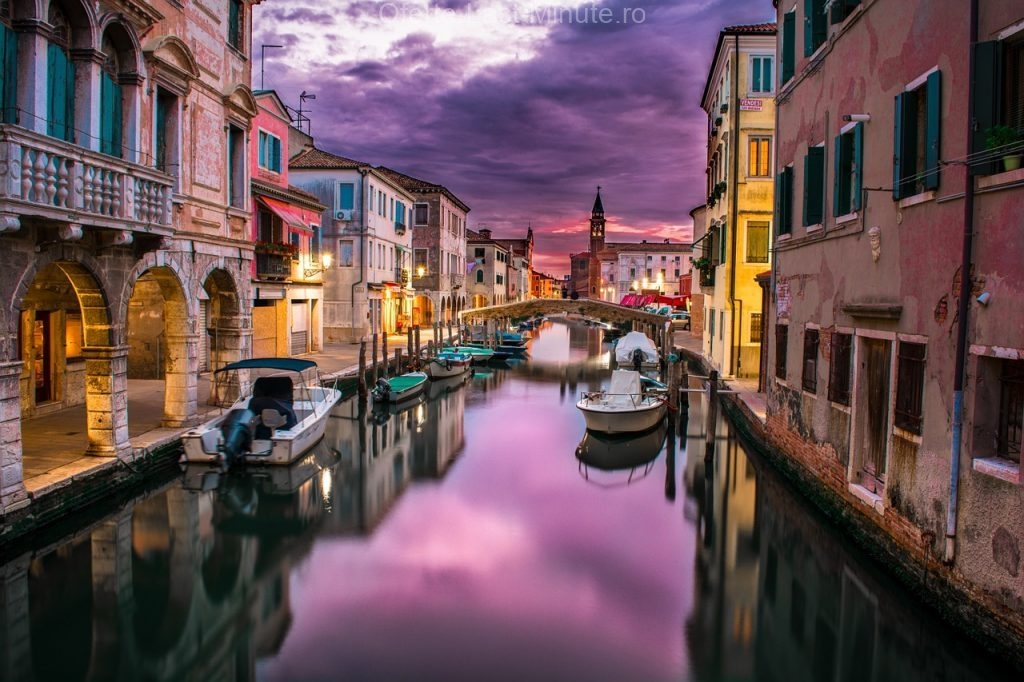 Venetian channels are a main tourist attraction in Venice.And, rightly speaking, when you think of a vacation in Venice, the first image that comes to mind is that of a gondola led by a local on the narrow channels and under the bridges that connect with the land.
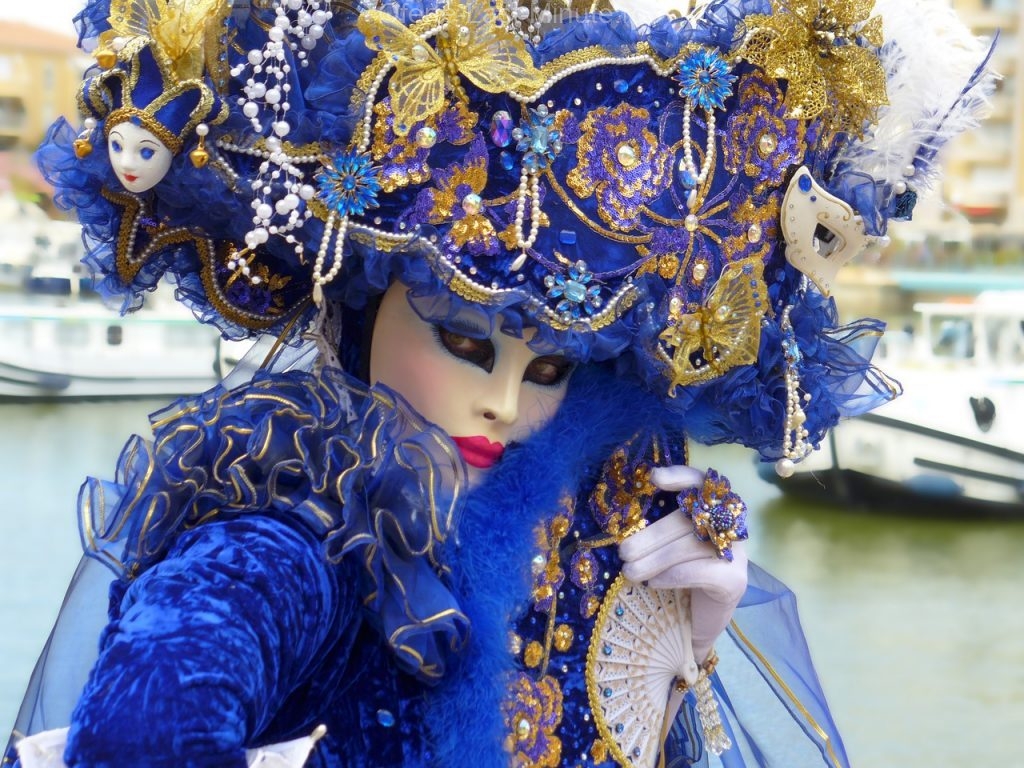 The Venice Carnival is a tradition that comes from the past centuries and which constitutes, for almost a month, the main tourist attraction of Venice.In fact, most tourists who are addressed to us and ask for an offer for a city break or stay in Venice choose this period of the special year for what the old Republic means during the carnival.
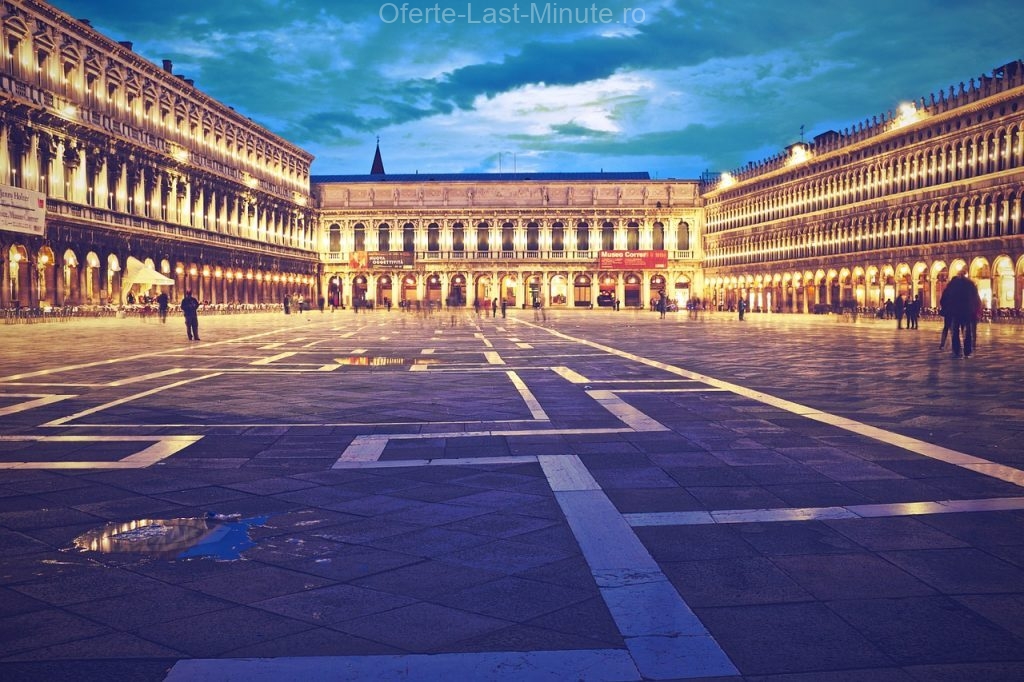 Piazza San Marco is a favorite destination both in a city break in Venice and, even more, in a complete stay.The location is famous because here you will find three tourist attractions in one place, but also because it is indeed a wonderful location that reminds you of Napoleon's words-"Piazza San Marco is the gateway to Europe!".
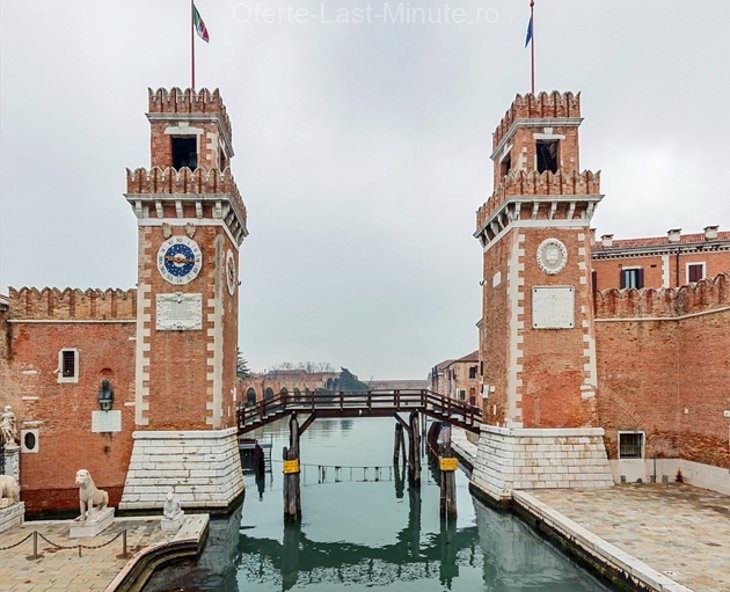 The arsenal, the shipyard of the Venetian Republic, was the largest and most crowded in the world until the end of the seventeenth century.Since its establishment in 1104, it was continuously expanded, until during its glory, it has hired up to 16,000 workers.His security was so close that the republic managed to keep his secret to the naval construction until around 1550. In his imposing terrestrial entrance is a Renaissance-style triumph, guarded by Greece as a prey after the Peloponnese Reconquist in the seventeenth century.Of the two lei on the left, the biggest guarding over the port of Piraeus, while his colleague stood on the road from Athens to Eleusis.at sea.These charming images are interesting for the deion of marine life, not so much for their artistic finesse. The models and artifacts refer to the construction of ships, to the types of ships on the waterline during the period when Venice was a maritime power and the fortresses of the republic.A large model of the legendary ship of the state of Bucto, the sumptuous official galley of the dogs, is particularly interesting.
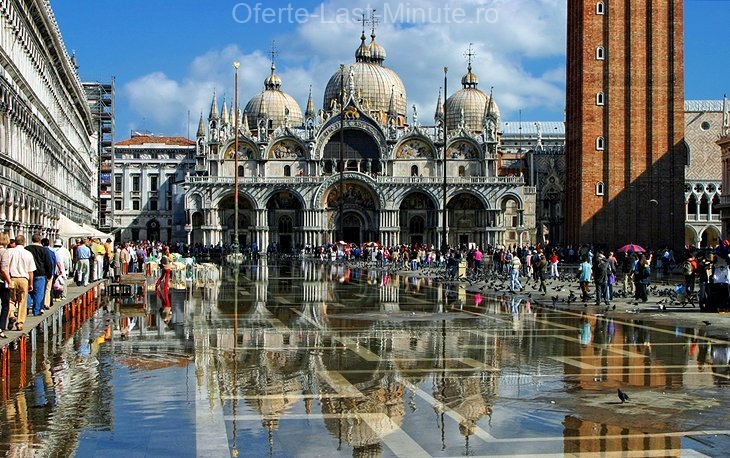 Certainly the most famous church in Venice and one of the easiest to recognize in the world, the basilica of San Marco (Basilica di San Marco) was initially the private chapel of the dogs, decorated with Byzantine art treasures that are part of the prey brought back by Venetians.ships after the fall of Constantinople. In the mosaic with gold back mosaic above the doors on the facade, they only refer to the art of the interior mosaic, where 4,240 square meters of gold mosaics cover the domes and walls.They give a distinct Byzantine tone to its growing interior, but you will find treasures from other periods, including subsequent mosaics designed by Titian and Tintoretto - a name you will meet throughout the city.precious stones and precious stones.If you can snatch your eyes, mosaic dome and multitude of richly decorated altars, take a look at the floor, a masterpiece of marble inlays.And allocate time to see the gold relics and treasury icons.
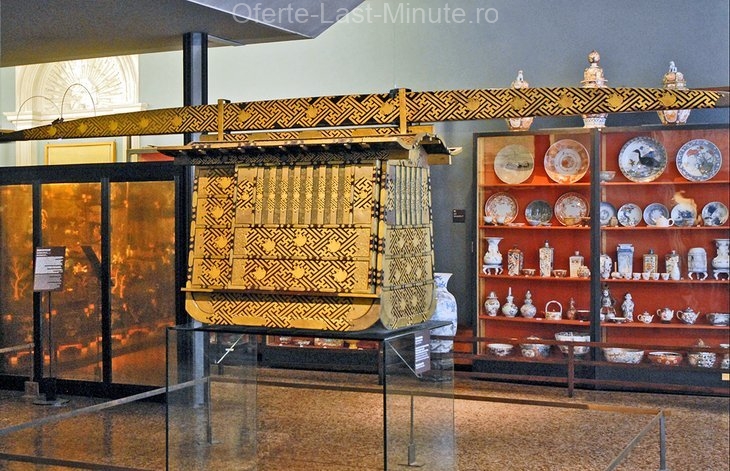 The impressive facade of CA 'Pesaro, overlooking the Grande Canal, was inspired by the Sansvino library, which is opposite the Dogeilor Palace, built a century earlier.The rich Baroque Venetian interior is strongly contrasting with the art exposed there, because the palace now hosts the modern arts.The attraction points include the decorative arts of the twentieth century, such as the glass works carried out by Carlo Scarpa in the 1930s and 1940s and rare pieces of furniture Carlo Bugatti.The Chinese vases and the Japanese emails, the porcelains and weapons of the EDO period are on the EDO, the Pesaro is accessed by Vaparetto from the San Stae station, at the Eustachio church, better known as San Stae.He enters the church to see paintings of artists from the beginning of the eighteenth century, including Tiepolo and Pellegrini.
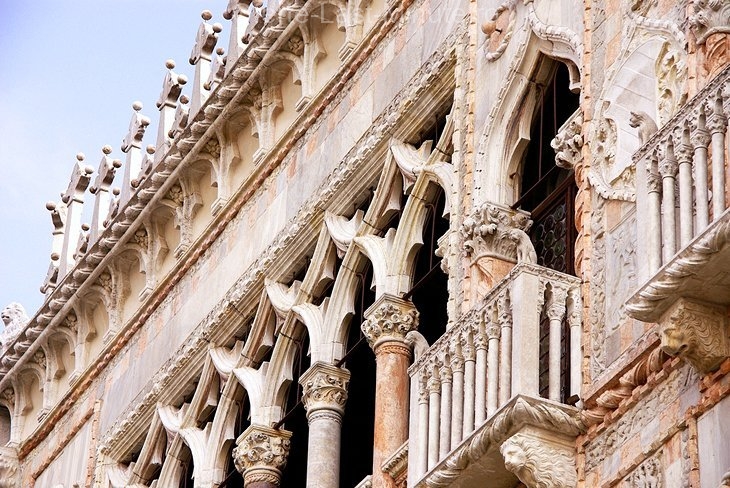 The delicate marble watermark by Bartolomeo Bon seems too lace to be carved in the stone and you can only imagine the impression that this facade covered with the original paint and gold must have made.Along with Porta Della Carta from Palazzo Ducale, also created by Bartolomeo Bon, this is considered the most perfect example of a Venetian Gothic.The connoisseur responsible for saving the palace, Baron Giorgio Franchetti, gave his art collection to the state in 1922, with Titian's works, Mantegna, Van Dyck, Tullio Lombardo and Bernini.
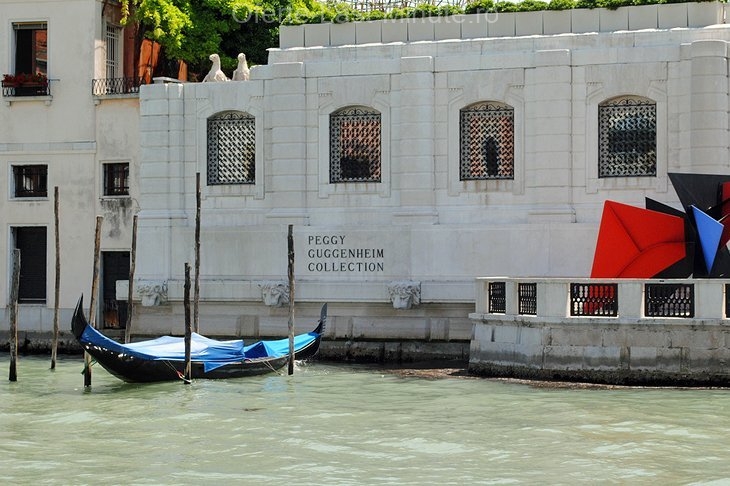 The personal art collections of the heir Peggy Guggenheim are hosted in her former house with the big channel, Palazzo Venier Dei Leoni.Although most of the great art museums in Italy are full of masters in the Middle Ages and Renaissance, it focuses on American and European art of the first half of the 20th century.painting and sculpture. In permanent collection includes works by Picasso, Dali, Braque, Léger, Mondrian, Kandinsky, Klee, Ernst, Magritte and Pollock, and frequent exhibitions bring works from other important artists.In the sculpture gardens of the museum are works by Calder, Holzer, Caro, Judd and Hepworth.
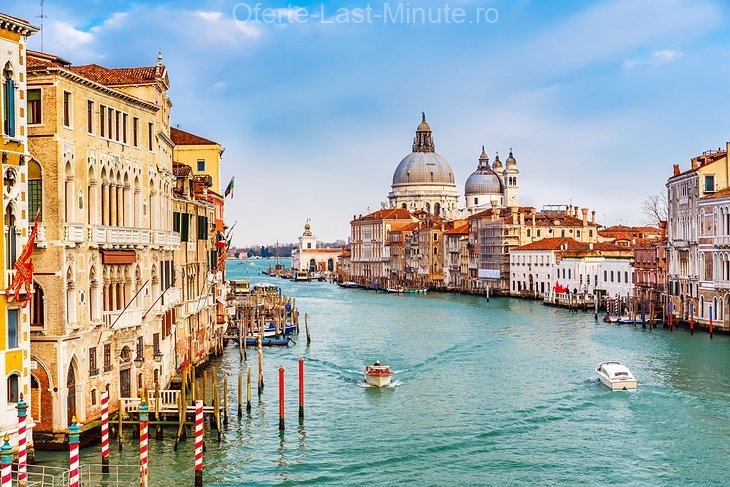 Sweeping through the heart of Venice in a gigantic curve and reverse, the large channel is the main boulevard through the city, connecting Piazza San Marco, the Rialto Bridge and the arrival points of the station and the bridge on the continent.The big channel was the choice for choice for anyone who claimed any influence in Venice.The palaces of all the leading families open towards the channel, their famous Venetian Gothic and Renaissance facades oriented towards water, through which visitors arrived.And, of course, a walk along the big channel in a cable car is one of the most romantic things to do in Venice at night.
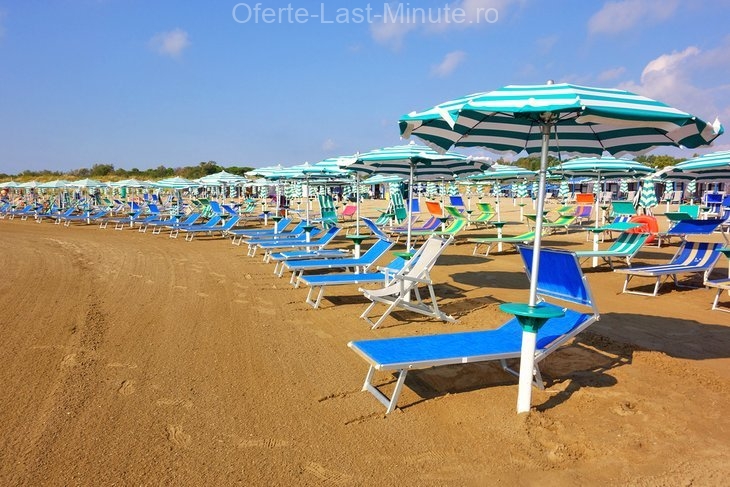 The long strip (12 kilometers) of sand that separates the Venetian lagoon from the Adriatic Sea was the first real beach resort in Europe, and in the glory period, at the beginning of the 20th century, it was the most fashionable watering hole in Europe and the celebrity day.Today, the big hotels in which they are still sheltered and still receive guests and still have the beautiful beaches with fine sand, although for a price you can divide them with the hotel guests.After a considerable controversy between Venice and Bari, which also supports the relics of the Saint, was established by an anatomical expert that both have an equal claim;About half of the skeleton, including the skull, are in Bari and the other half in Lido.The monasteries are wonderful, and in the church there are paintings of both the old and the youngest.Mark.The island is full of Art Nouveau villas and hotels;To see the villas, wandered on some of the side streets.In August and September, Lido is the place of development of the International Film Festival, held in Palazzo del Cinema.
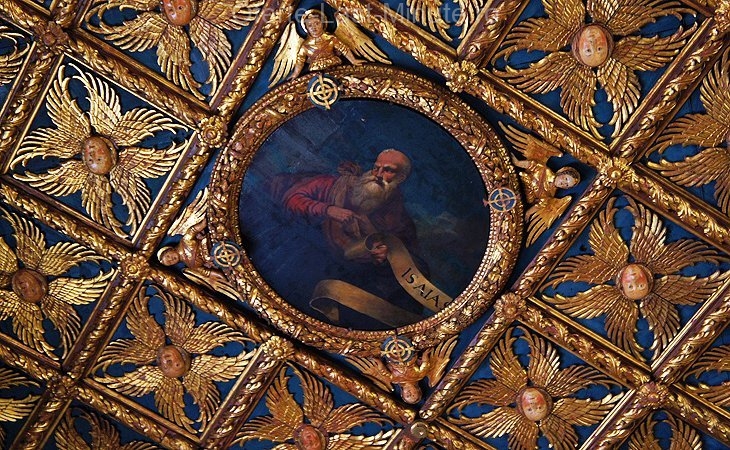 Briefly called "Accademia", this museum on the Great Canal has the most important and comprehensive collection of Venetian painting from the 15-18th centuries.Much of the collection was gathered from closed monasteries and churches and from cleaning the palaces of noble families, now exhibited in the former Santa Maria della Carità Monastery.The works are arranged chronologically, so not only can you follow the evolution of styles, but you can compare the works of contemporaries.Madonna under the orange of Cima Da ConeGliano.Tiepolo also deserves special attention.
 We did not want to mix the dessert with the main dishes and this for a rather serious reason-the Venetian ice cream is famous, both among the locals and among the international tourists, that they make huge queues to taste an authentic Venetian ice cream from Boutique del Gelato or Alaska Gelaternia-Sorbeteria, two of the most renowned Locatifrozen for the little ones and the big ones.Do not be impatient and do not get rid of the tails at the entrance - it is worth the wait, we guarantee!
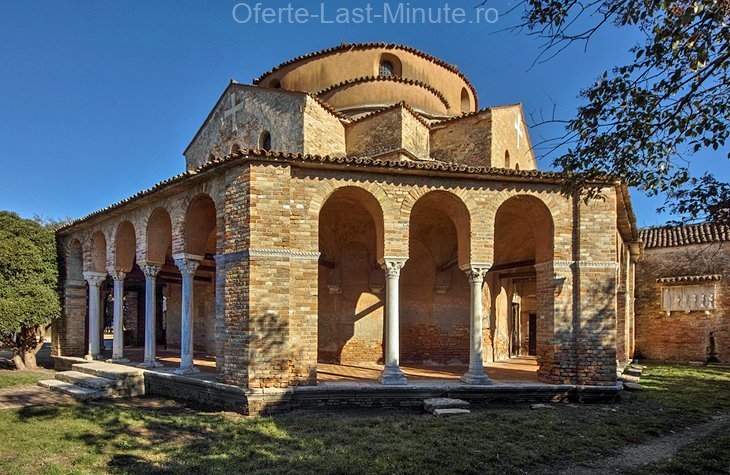 Venice began on this outer island Torcello, founded here from the 7th century, and until the 12th century, it was a flourishing commercial city.Of the palaces, churches, naval sites and their docks, there are only two churches and a handful of houses, punctuated over the great island.It is considered the best example of Venetian-Byzantine architecture.It was rebuilt in 834 and 1008, and the porch and two lateral apses were added in the 9th century;Much of the building dates from the eleventh century.The mosaics that cover the interior are remarkable. In the older lines of them are in the head of the Great Altar, where the angels from the eleventh century carrying a medallion with the Lamb of God show a strong Byzantine influence.By the parents of the church;Grigorie, Martin, Ambrose and Augustin;They were added later, together with Christ in Majesty between two Archangels.The western wall is covered with levels of a Byzantine mosaic of the then judgment from the end of the 12th century or the beginning of the thirteenth century.previous.The admission ticket includes the small interesting historical museum with antiquity artifacts until the sixteenth century.
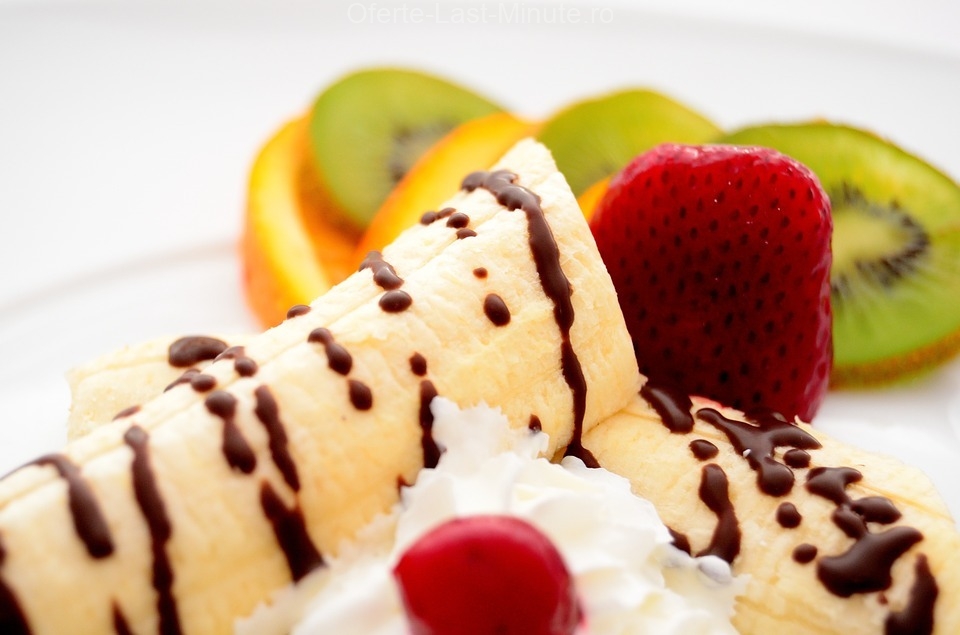 We did not want to mix the dessert with the main dishes and this for a rather serious reason-the Venetian ice cream is famous, both among the locals and among the international tourists, that they make huge queues to taste an authentic Venetian ice cream from Boutique del Gelato or Alaska Gelaternia-Sorbeteria, two of the most renowned Locatifrozen for the little ones and the big ones.Do not be impatient and do not get rid of the tails at the entrance - it is worth the wait, we guarantee!
 A trip to Venice would not be complete without climbing on a vaporetto for walking to the lagoon to Murano, at home to Venice Workshop Fables.They were sent here in the 13th century, in the hope of reducing the risk of fire from one of the glass ovens that cross the close compacted center of Venice.Just as likely, it was to keep the secrets of blowing the glass a Venetian monopoly.This was not a small problem for the Venetians, whose council of the ten decreed in 1454: "If a glass breath takes its ability to another country to the detriment of the Republic, he will be ordered to return; to be thrown into prison, so that his feeling of family debt will determine him;It was much easier to follow them if they were limited to an island. N nsta, the sides of the channel are lined by showrooms and glass studios, which show everything, from cheap imported trinkets to refined works of art.Inside the Giustinian Palace of the seventeenth century is the Museum of glass, with one of the largest and most important Venetian glass collections from Roman times to the twentieth century.Observe especially the Greek marble columns with Veneto-Byzantine capitals, the 12th-century mosaic floor with animal figures and Saint Donato above the first left altar.Dated in 1310, it is the oldest example of Venetian painting..Scuola Dei Merletti (lace school) and its small museum will help you distinguish real thing about cheap imports you will find in most stores.
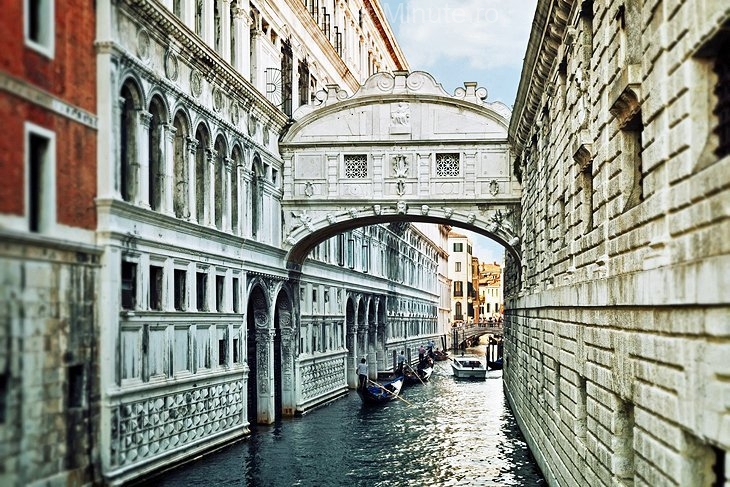 Visitors who arrived in Venice once descended the shore under the facade of this extraordinary palace.He could not have not been impressed, both by his dimension and by the fineness of his architecture. If they were received inside by Dogi, the impression would only be strengthened as they enter through Porta della Carta, a perfect example of the Venetian Gothic at his height, and climbed the monumental Scala and the Giganta Scale.Be received in what many consider to be the most beautiful room of the palace, the room of Collegio.You will see works of all the great Venetians, including Tintoretto, whose paradise is the largest oil painting in the world. It is not open in public tours, but it is included in private tours: a walk over the bridge of the sighs to the dark cells of Prigioni - the prisons from which Casanova made its famous escape.The best view - and the classic of the postcard - of the sighing bridge is from Ponte della Paglia, on Riva Schiavoni behind the Dogeilor Palace.
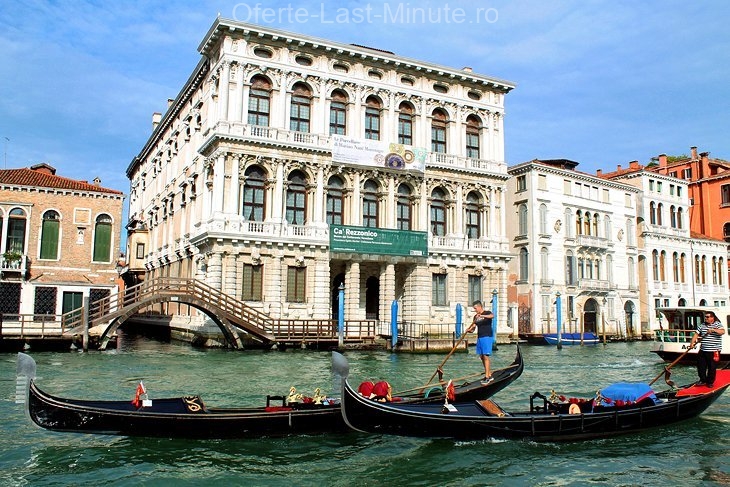 As the 'D ' Oro allows you to make the life of the late Middle Ages, Palazzo Rezonico offers a living image of life here in the Baroque and Rococo periods.Designed and started by the master of the Baroque architecture of Venice, Baldaszare Longhena, the palace was completed almost 100 years later in 1750 Giorgio Massari.The costume collection emphasizes the importance of silk production in Venice from the end of the Middle Ages to the eighteenth century, when there was a major competitor with Lyon, France.So important was silk that even in times of war with the Turks, the battle lines separated for the silk-loaded ships.
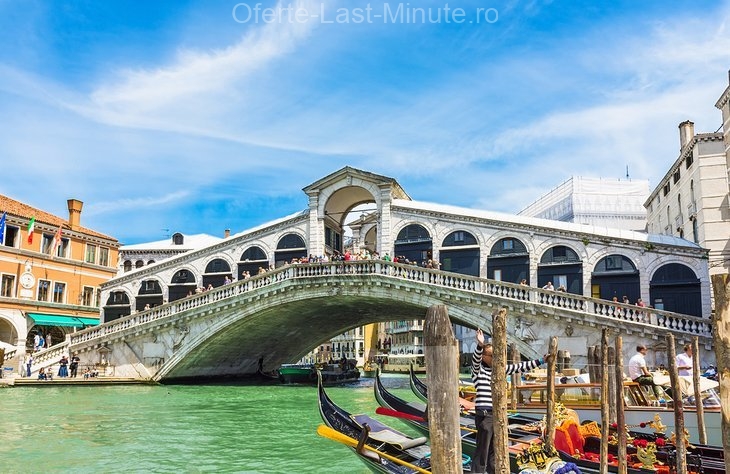 Once it was the only bridge that crossed the big channel, the Rialto bridge marks the place of the first settlement of the island, called Rivus Altus (high bank).Built in 1588, about 150 years after the collapse of an anterior wooden bridge, this stone arch holds two crowded streets and a double set of shops., near the end of the San Marco bridge, was the Church of the German merchants who lived and worked in Fondaco Dei Tedeschi (German goods stock exchange) that borders here with the channel.It has an excellent altar, the martyrdom of Saint Bartholomew, the young palm.The former exchange is now a popular place to go shopping. In the other side of the Rialto bridge is the crowded market for food, where the Venetians and cooks buy fresh products and seafood.On the narrow streets of San Polo, beyond the market, are the artisan stores and the studios to manufacture the masks, one of the best places for shopping in Venice.You will also find foods that are not so full of tourists, like those near San Marco
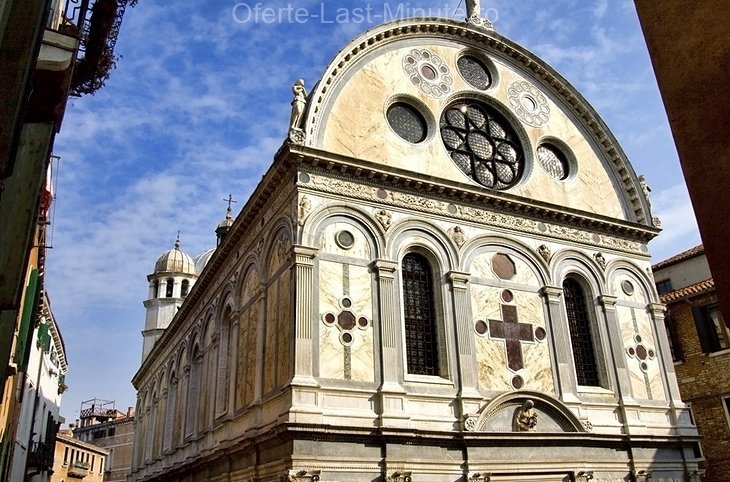 After the vast greatness of St. Mark and the growing stretch of Frări, the little Santa Maria Dei Miracoli is like a fresh farewell, a masterpiece of the architecture of the early Renaissance by Pietro Lombardo.This box of marble jewelry inlaid in pastel colors was built between 1481 and 1489 to devote a miraculous image of the Virgin.octagon and crosses on the facade.The method continues inside, which increases the effect of the ceiling with golden dome that rises above the gray and coral marble walls.No wonder this is the Venetian's favorite place to be married, because its interior is one of the most beautiful in the city.
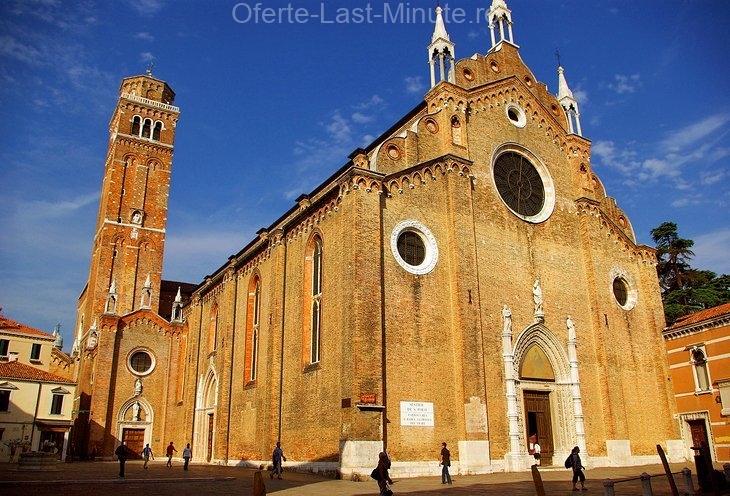 This Gothic church was started by the Franciscans around 1340 and finished with the completion of the facade, the interior and two chapels in the middle of the fifteenth century.His impressive XIV Campaign is the second highest in the city.In the right transsept, there is an important wooden statue of Saint John the Baptist, made by the sculptor Florentin Donatello, made in 1451 (the first chapel to the right of the sanctuary).In the left transept, the statue of Saint John the Baptist on the heel of the Cornaro chapel was created by the sculptor and master Jacopo Sansvino in the monks' coat is a remarkable example of wood sculpture of Marco Cozzi, with reliefs of saints and Venetian scenes.And the sanctuary contains the tomb of two dogs by Antonio Rizzo, and above the great altar is Assunta lui Titian, painted between 1516 and 1518. Titian's mausoleum of the Southern Corridor was a gift from Ferdinand I of Austria, when he was King of Lombardia Veneto.The northern corridor and opposite the great monument of Titian, also by the students from Canova.Next to Cappella Emiliani, who has a fine polyptic from the middle of the fifteenth century, with marble figures, is Madonna di Ca 'Pesaro, completed in 1526 and one of Tizian's most important works.
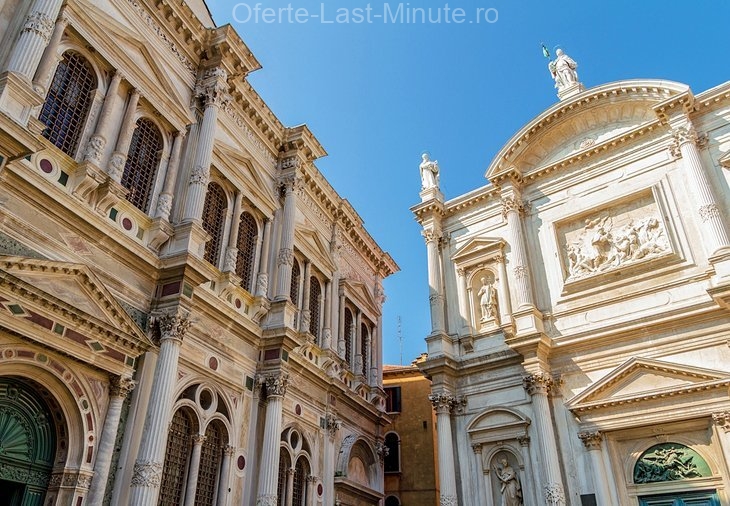 This impressive white marble building was built between 1515 and 1560 to host a dedicated charitable society.Shortly after completion, the great Venetian artist from the sixteenth century, Tintoretto, won the contest to paint a central panel for the ceiling of the Dell 'Albergo, entering the building and putting the painting in the desired place before the judgment, for irritation of its rival artists.the masterpiece of the artist.The oldest works, in the Dell 'Albergo Hall, date from 1564 and 1576 and include the glorification of the Holy Roch, Christ before Pilate, Ecce Homo and the strongest of all, the Crucifixion.Those in the upper room present scenes from the New Testament, painted between 1575 and 1581. The nilumination is not good, and the paintings themselves are dark, but you can still appreciate Tintoretto's innovations in the use of light and colors.You can see the ceilings easier with one of the mirrors provided.Several works of Tintoretto are located in the Choir of the Adiacenta San Rocco church.

