
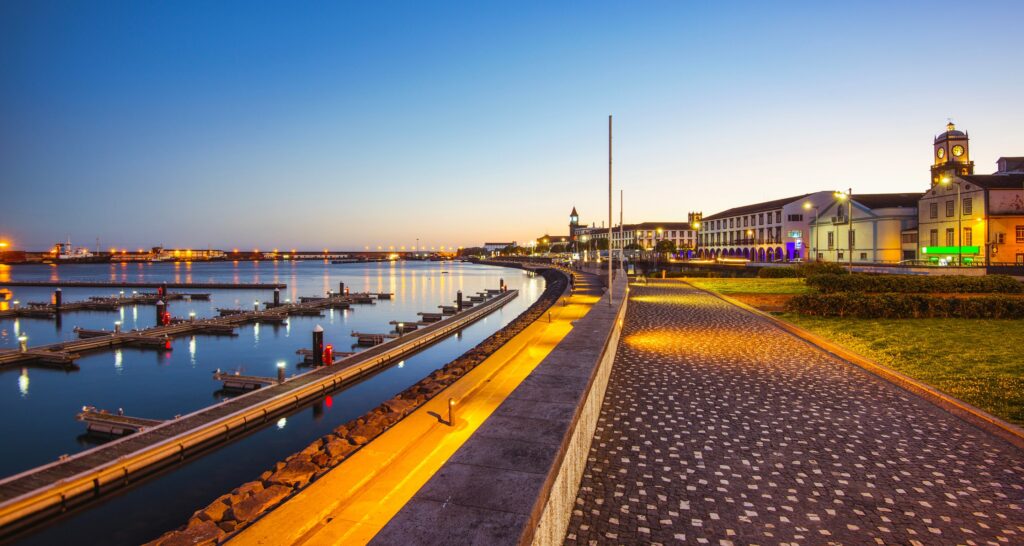
Ponta Delgada, on São Miguel, is the regional capital of the Azore Archipelago, a series of nine islands in the Atlantic Ocean, about 1300 kilometers west of Portugal and about a two -hour flight from Lisbon.The city is on the southern coast of São Miguel, the largest island, and represents a satisfaction for this beautiful and distant Portuguese – one of the largest adventure tourism destinations in the world.
About
Best period
The weather is good throughout the year in Ponta Delgada
On average the hottest months are July, August, September and October
The rainy Mondays are October and December
Tourist Attractions
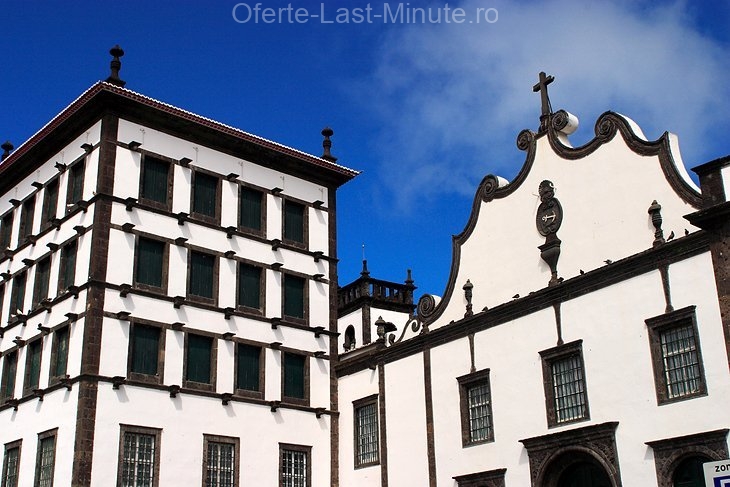 It is probably the most visited cultural attraction in Ponta Delgada Convent and the Capela of Nossa Senhora da Esperança (Virgin of Hope) was completed in 1541 and is still occupied by nuns of Saint Francis.A true treasure of religious art, the chapel is beautified with a fabulous canvas from the eighteenth century azulejos artisan tiles by António de Oliveira Bernardes, the largest master.The altar, in the meantime, is a golden wood revolt.The chapel is associated with the worship of the miracles, and is the image of Ecce Homo who is revered by the locals.Arrived on the island in the sixteenth century, the statue is hidden in the lower church and can only be seen at certain times when a monk opens the internal gates to allow visitors to see it.Keep your breath because this is also an opportunity to admire complicated embroidered vestments, polished relics and bright jewelry surrounding the statue.If you are in Ponta Delgada on the fifth Sunday after Easter, you will witness the image raised by the worshipers for a procession to mark the famous Senhor Santo Cristo Dos Milagres celebration.During the festival, the monastery is illuminated at night spectacular by thousands of bright bulbs attached to the facade.
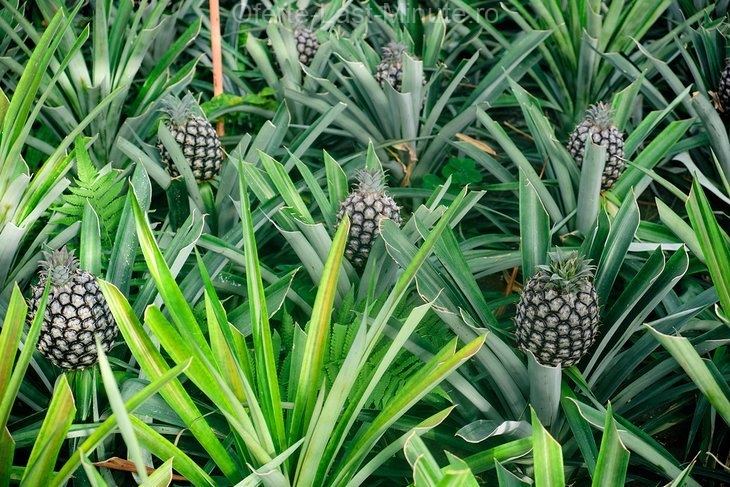 One of the more unusual destinations for visiting the tourist attractions in São Miguel is the well -known pineapple plantation, located on the outskirts of Ponta Delgada.You can see the greenhouses (the azo are not hot enough to grow the fruit outdoors), and the plantation tours take place every day.Note that the guides are not professional in the field of tourism, and some have limited abilities in foreign languages, not that you must be told how juicy and delicious this exotic fruit is.The fruits are for sale.Ask your order to be packaged in a special presentation box.And for a treatment, why not buy a bag of pineapple boiled sweets?
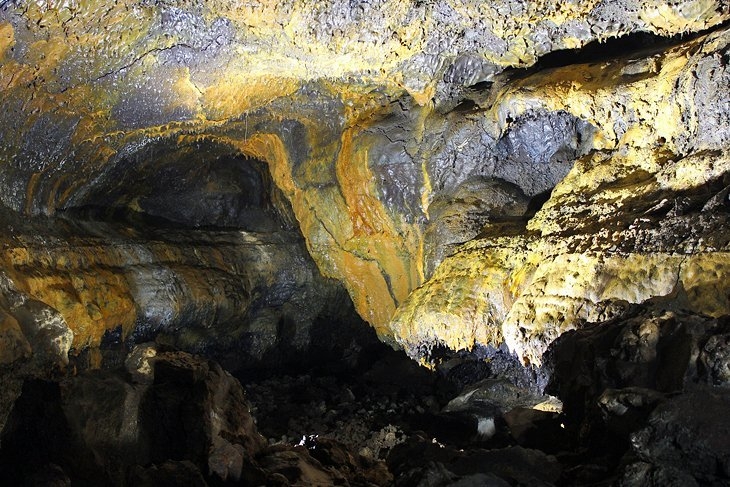 Deep underground, on the north-western periphery of the city, this old lava tube is fascinating 1,650 meters long and the longest of this kind on São Miguel.About 250 meters are accessible to the public, making the underground show one of the most unusual attractions of visitors on the island.The guided tours take place on a seasonal basis and offer a fascinating geological experience through thousands of years of volcanic activity.The walls and ceilings seem to be scattered with rust, in fact the result of the basalt oxidation that gives the inner darkness a copper light when illuminated.The addition of texture is the mineral side deposits of silicon, and glaze and tree shrubs.Warm and wet, even in winter, this hidden natural miracle attracts both the adventure tourist and those with an appreciation for the splendid ecological diversity of the Azore islands.
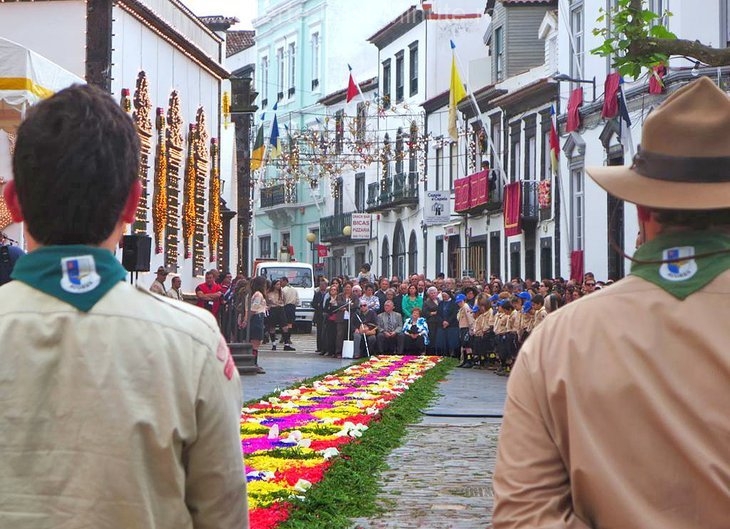 One of the most anticipated events in the city is the annual Santo Cristo Dos Milagres.Organized on the fifth Sunday after Easter, this is one of the most important religious festivals in São Miguel and attracts pilgrims worldwide.The festivities begin in the previous week, when the chapel of Nossa senhora da Esperança is illuminated, and the surrounding streets covered with fresh flowers arranged in geometric patterns.On the day, the image of Ecce Homo, dressed in a lined gold dress and decorated with woven flowers, is taken from the monastery to join a slow process of people and children.The members of the church lead the procession that transports large and heavy candles.The scene is moving and cloudy, and you cannot help to be moved by the air of solemnity that descends over the city.Later, the disposition changes considerably when Ponta Delgada celebrates the opportunity with a night full of music, dance and other festivities.
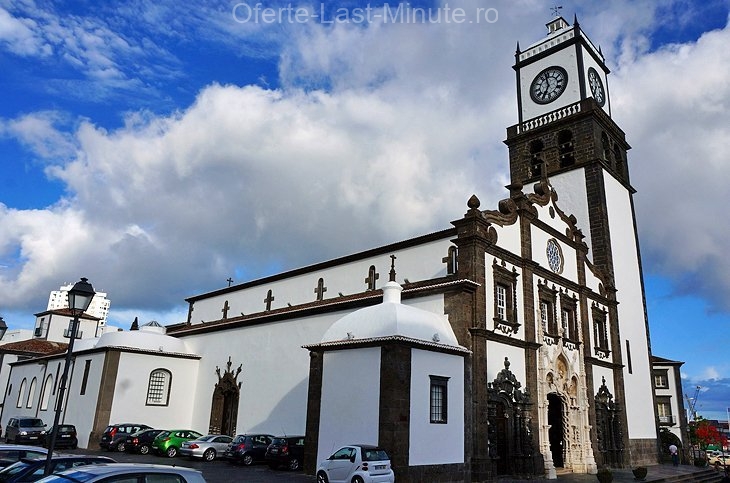 Built from the black basalt stone that characterizes all the public buildings in Azore, São Sebastião is the parish church in Ponta Delgada.Initially founded in 1533 as a small chapel, the exterior is distinguished by a manuelin portal carved from limestone.During the eighteenth century, Baroque additions saw a built clock tower and the interior decorated with beautiful asulejo panels.The works of sumptuous golden wood, beautifying the sacristy and most of the furniture, were carved from Jacaranda and other exotic timber imported from Brazil.The best moment of the day to admire the facade is shower, when bathed in bright, bright light.Café Mascote opposite the church offers a suitable point of view - and a cheap snack menu.
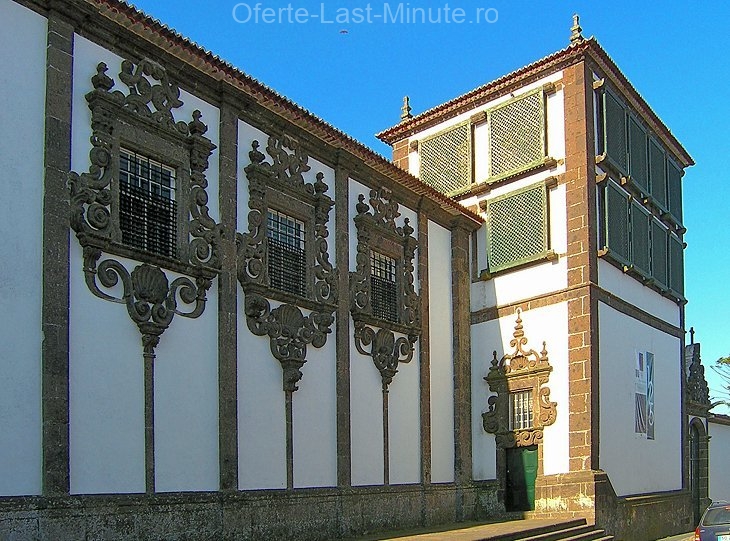 The strange collection of regional ethnography exhibited at the Carlos Macado Museum offers a fascinating look at the customs and traditions of the island life.Founded in 1876 and appointed after its founder, the museum is housed in the former 16th century monastery andréși deserves a good time of your time, especially if you visit with children-young people will appreciate the wonderful ancient toys and bracelets from the beginning of the 20th century.In addition to presenting the fishing and agriculture industry of Sao Miguel, the museum has a permanent collection of paint and contemporary paintings and sculpture, important works that include paintings of the local artist Domingos Rebelo (1891-1975).The natural Machado's natural is kept in a dedicated wing.
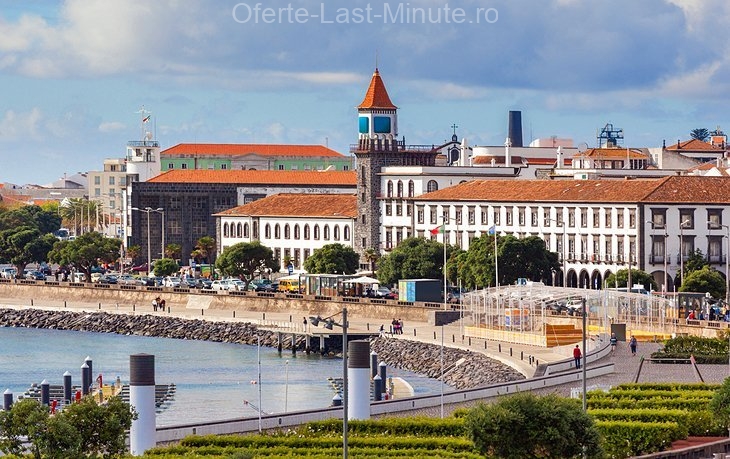 For a pleasant overall look at the Ponta Delgada Avenida Infante Dom Henrique, the front promenade of the city.Start at the western end, which has a view of São Brás forces from the sixteenth century, a Renaissance fortress used today by the Portuguese navy and hosts the Azores Military Museum.The opposite situated is Praça 5 of Outubro on which the Convento is the Capela by Nossa Senhora da Esperança is located, and the scene of many celebration during the annual feast of Senhor Santo Cristo dos Milagres.Continuing, you will notice on your left. The three familiar arches of the original eighteenth-century city surrounded by Praça Gonçalo Velho Cabral and captured by countless times by the cameras and smartphones.Cross the square to visit the beautiful Igreja São Sebastião before returning to the boulevard and goes to the leisure port.This is the place where you can book a whale hunting cruise - one of the "do not miss" things to do in Ponta Delgada.Enjoy a coffee on the esplanade before returning back to follow your own steps or to throw you in the city center for a shopping place and a bite of food.
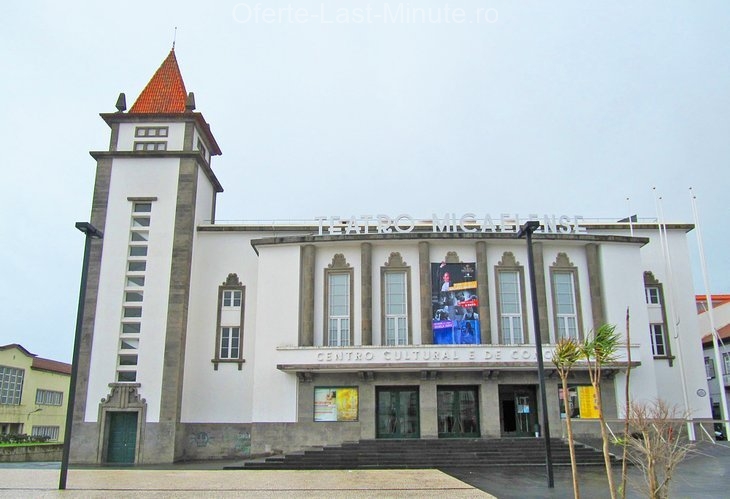 The Micaelense Theater is the Life Cultural Center of the city of Ponta Delgada, and prides the city with an eclectic art program made throughout the year.Very much in the forefront of contemporary artistic expression, the theater presents some of the best known exponents of the experimental dance in Portugal.But this is a place full of surprises.One month, an auditorium can be treated to a hearty musical, the next classic ballet.Concerts range from toe-tapping jazz to melancholic fado.Sometimes a bit of rock is largely thrown away.Theater productions are almost always in Portuguese, so visitors without a good knowledge of the language should check the cinema, who are filming in their original language.Micaelense is also doubled as an art gallery;Again, it is the modern and abstract one that tends to enjoy the highest exposure.Pre-reserved for an hour guided trips of the theater, dating from 1951, raise the curtains over the areas normally closed to the public, including the exterior balconies that offer wonderful views on the historical center of the city.
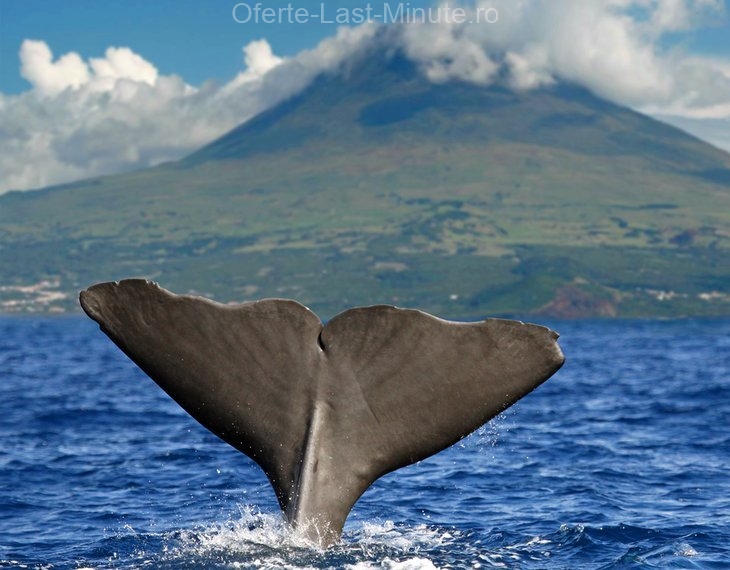 The Azore archipelago is famous as an outdoor destination, where you can pamper yourself with all kinds of captivating adventure tourism programs, from hiking, canyoning and riding to kayak, surfing and fishing for big games.But there is a synonymous activity with this distant group of islands: observation of whales.About 25 species of cetaceans can be found in rich nutrient waters, with the most commonly observed sperm whale.The best time to see these majestic mammals is between April and September.High summer attracts those who prefer piloted whale and Sowerby.Dolphins seen on a regular basis are Risso, Bottlenose, Atlantic, and stripes, among others.The whale and viewing tour of dolphins of two or three hours is a quick and easy way to get on the water and see some wild animals.

