
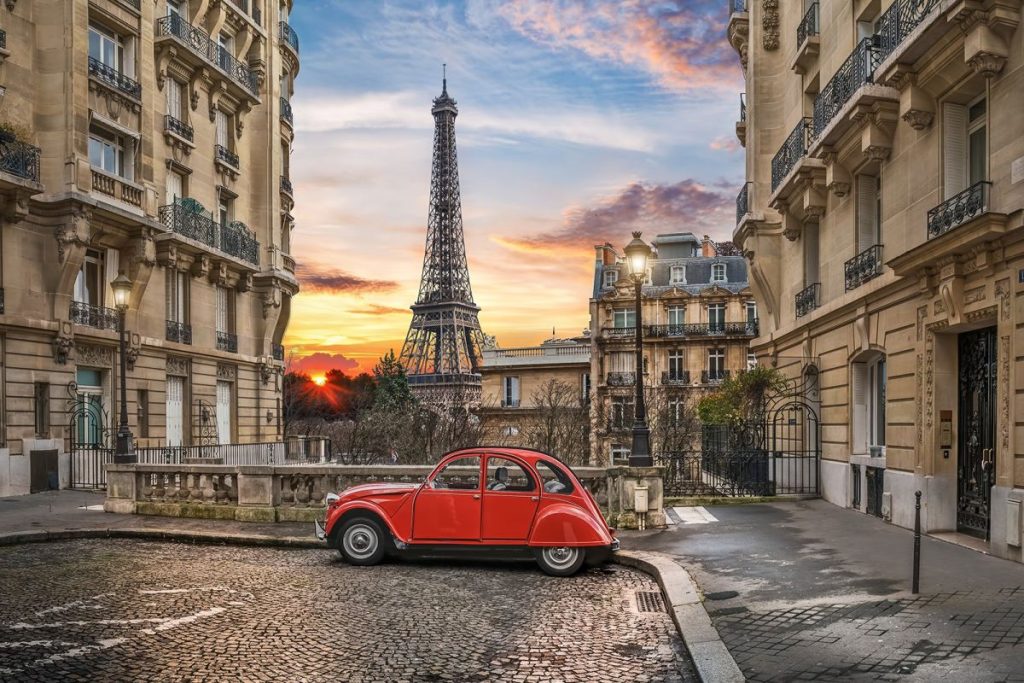
Paris today is one of the most important cultural and business centers in the world and the influence it exerts in the media, fashion, science, art and many other areas contribute together to the status it occupies as one of the most important cities in the globe.
About
Best period
The best months for good weather in Paris are April, May, June, July, August, September and October
On average the hottest months are July and August
January is the coldest month of the year
Tourist Attractions
 The D 'Orsay Museum presents a splendid art collection from the 19th and 20th centuries (created between 1848 and 1914) in the converted orsay.This Belle Epoque station has been built for the universal exhibition since 1900. In the world's most valuable paintings are exhibited in the museum's spacious galleries.The Orsay Museum is among the best places to visit in Paris to get an overview of the history of impressionist art - from Monet's easy blows to Gauguin's wild and colorful scenes.The artists range from impressionist classic masters Edgar Degas, Edouard Manet, Claude Monet and Pierre-August Renoir to post-impressionist artists such as Pierre Bonnard, Paul Cézanne and Vincent Van Gogh;Pointists (Georges Seurat, Paul Signac);and bohemian artists like Toulouse Laurec. In the most famous pieces of the museum include Claude Monet Coțofana, Gare Saint-Lazare, Mac, and Lovening on the grass;Vincent van Gogh's self -portrait and starry night;And Renoir's dance at Moulin from Galette, who describes a festive party scene in Montmartre. N Nmuze also has a bookstore and a gift shop, two cafes and a restaurant that serves refined foods, which deserve life.Former Hôtel D 'Orsay (a luxury hotel in the original Orsay) and cataloged as a historical monument, the museum restaurant has gilded ceilings and shiny chandeliers.
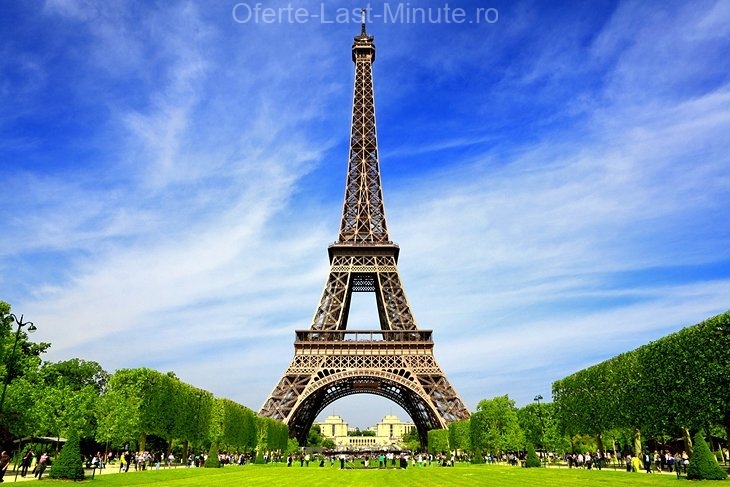 The Eiffel Tower (La Tour Eiffel) ranks first on the list of places to visit in France and is the most visited tourist attraction in the world.It is hard to believe that the structure was rejected as a monstrosity when it was first revealed.The iconic tower was designed by Alexandre-Gustave Eiffel for the Paris exhibition in 1889, which marked the Centenary of the French Revolution. In the event it is made up of 18,000 resistant iron sections (weighing over 10,000 tonnes) held together by 2.5 million rivets.This innovative structure is now considered an architectural mastery and is the most emblematic view in Paris.With a height of 324 meters, the tower was the tallest building in the world until Empire State Building was erected.Upon arrival on the esplanade (where the information office is), the view of the four massive pillars that support this 10,100 -ton monument leaves many amazed.This level has public toilets, a gift shop, cafe, braser restaurant and outdoor space to admire the views.This level has facilities similar to the first level, except that viewing platforms offer a perspective on several monuments in Paris (such as Notre-Dame, Louvru and Basilique du Sacré-Coeur), and this level has a refined restaurant restaurant.Refined contemporary in a spectacular setting.The rooms of the restaurant have large windows, which offer a peak of the structural beams of the Eiffel tower and offer views at the landscapes of the city of Paris.Visiting at the upper level is one of the most exciting things to do in Paris, but it is not for the weak hearts.Either from Jardins du Trocadéro (a short walk over the Sena River) or from the Park du Champ de Mars (the lawns in front of the tower), there is only the right distance for perfect photos.
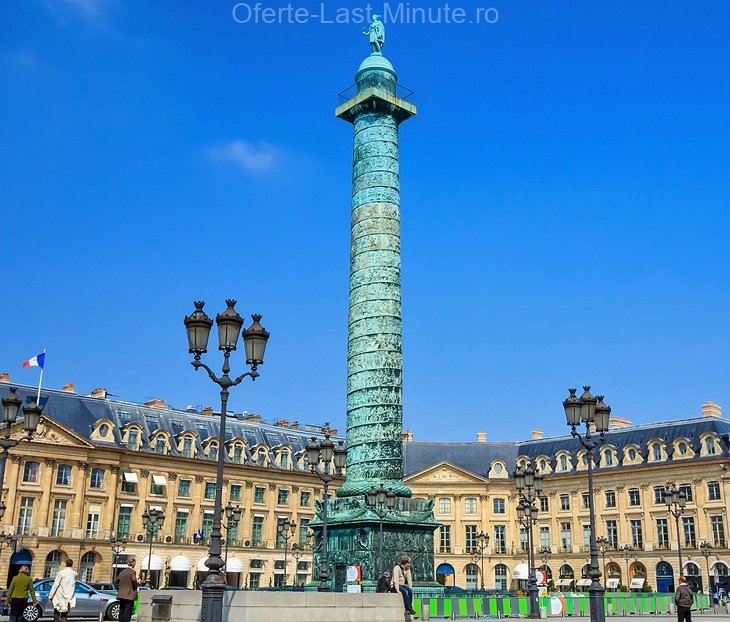 This graceful seventeenth-century market was designed by Jules Hardouin-Mansart, one of the leading architects of the Great Siècle (during the reign of Louis XIV).Initially, the market was called Louis Le Grand and was intended for the shelter of royal settlements.However, the financial difficulties forced the king to sell buildings to rich nobles and citizens.The new owners have built beautiful mansions with courtyards and gardens. N n Nfarmecul Place Vendôme is that it has retained the consistency of general design, which combines royal ostentation with civic simplicity.After a careful restoration in the early 1990s, it was restored in all its splendor.Arpels and neighborhood.Another luxury unit here is the Ritz hotel, which was frequented by Ernest Hemingway, Scott Fitzgerald and Gerrude Stein.She decorated her suite in her chic style, with sofas upholstered from velvet, lacquered furniture and golden mirrors.Ritz Paris still has a suite named after Coco Chanel exemplifying her vision of the Parisian Chic.Built between 1806 and 1810, the 42 -meter high column is dedicated to Napoleon and Grande Armée (army) who fought heroically and victoriously in the battle of Austerlitz (in December 1805).tell the glorious events that took place during Napoleon's Campaign of 1805
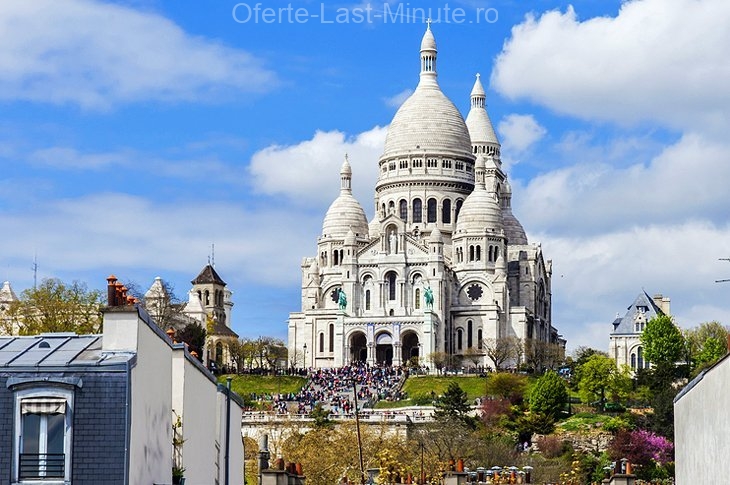 Located at the highest point in Paris as an ornamental decoration, Basilique Sacré-Coeur has a special aura.His Alabaster facade combines Romanesque and Byzantine styles and, by far, looks like a wedding cake (which is his nickname). Inside the basilica, the striking mosaic of Christ with a heart in flames gives the sanctuary an emotional and spiritual intensity, suitable for a Church created as a symbol of Francia.The sanctuary is illuminated with many candles, which offers a contrast with the dark and dark space.Esplanade that leads (through a scale of over 200 steps) to the Sacré-Coeur Church is a popular area for people to stay and is often animated by street musicians.A medi country village, which was annexed by the city of Paris (as a 18th round), Montmartre combines the old fashion charm with an avant-garde edge.The cobbled snake streets and pedestrian stairs lead to small locations and restaurants held locally, art galleries that evoke the bohemian past of the neighborhood and quiet markets full of outdoor cafes.The bohemian creative spirit in Montmartre is still found here, especially around Place du Tertre and Carré Roland Dorgelès. N Incarter has several excellent art museums, where visitors can admire the creations of Bohemian artists who lived in Montmartre at the end of the 19th century and the beginning of the 20th century.In this era, Montmartre was famous for his cabarets and artist studios.In the delightful gardens of the museum, visitors can enjoy soft drinks at Café Renoir, who has a pleasant terrace overlooking a lilies pond.This innovative museum displays over 300 works created by Salvador Dalí.The exhibits are presented in a way that reveals the symbols and motives used in his works of art.
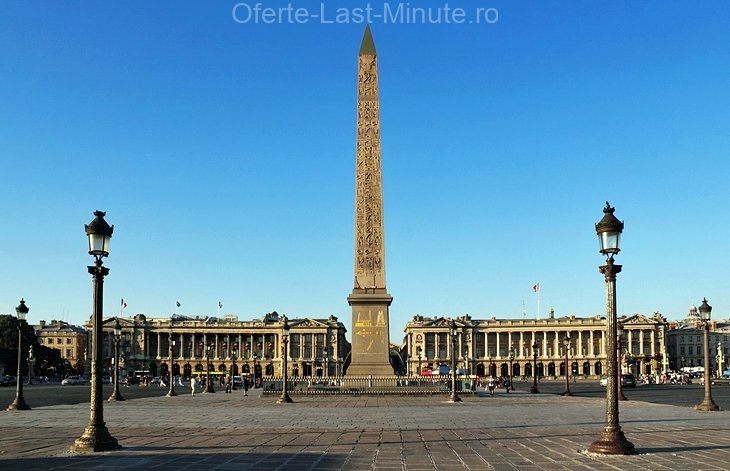 Created between 1755 and 1775 by the architect of King Louis XV, this impressive octagonal market is in the heart of Paris from the eighteenth century.With its majestic dimensions, Place from Concorde is one of the most attractive markets in the city.It was the scene of several key historical events, including the execution of King Louis XVI and was part of Napoleon's triumphal route.In the center there is an Egyptian obelisk, which was presented to Carol X by the vice-reefs of Egypt.Summer, here is a wheel.French drivers do not always pay attention to pedestrians, so tourists should make sure they will go out!Alternatively take the subway to the Concorde Station
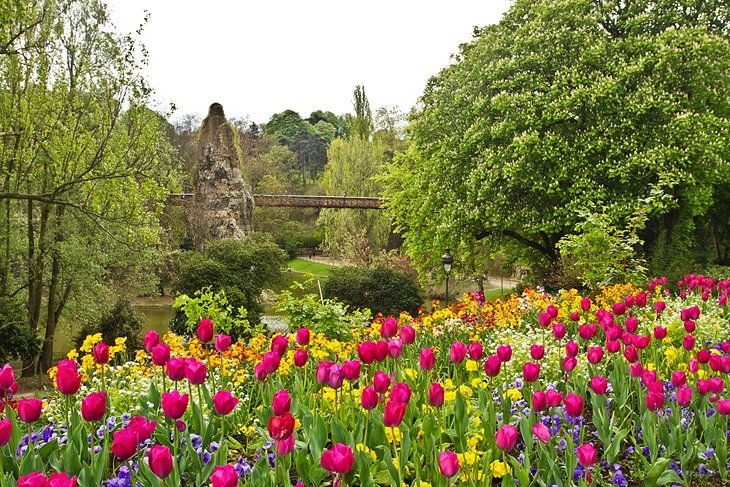 A small quiet oasis of nature that is valued by the locals, Parc des Buttes-Chaumont is completely different from the formal gardens retained in Paris.The 25 -hectare park on a hill has the sensation of an unusual pastoral landscape, as opposed to the formal French gardens of Paris, with their ranks ordered by flower beds and burned trees.Large shadows and spacious grass areas invite visitors to remove a blanket and relax.Some areas of the park provide panoramic views in the city.The Rosa Bonheur convivial cafe serves the Mediterranean cuisine on an outdoor terrace.Rosa Bonheur is also known for her musical entertainment and evening dances. For those looking for a relaxing culinary experience, Le Pavilon du Lac delights guests with her idyllic decoration.This traditional French restaurant occupies a 19th-century flag, with large windows and a garden overlooking the lake.
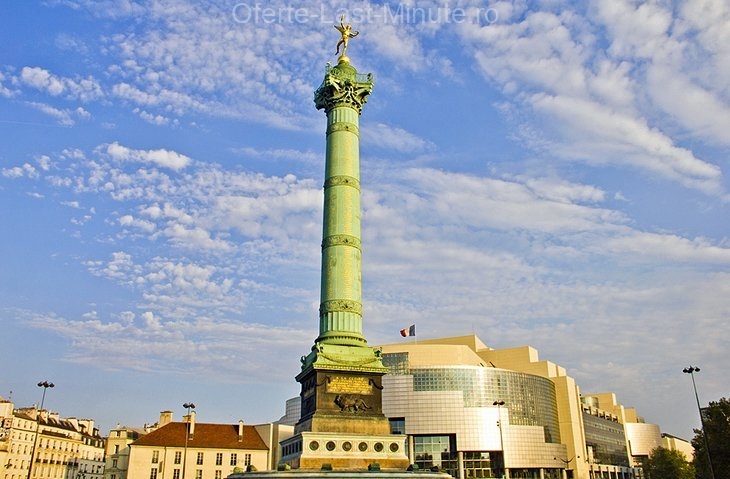 Now, only the name of this market is a reminder of the fact that a notorious state prison known as Bastilla, the much ugly symbol of absolutist power, has once been here.After the assault of Bastilia on July 14, 1789, the prison was completely demolished. In the center of Place from Bastille there are Juillet colonne, 51 meters high, above a graceful golden figures ("Génie de la Liberté").The monument commemorates the revolution of July 1830, who overturned King Carol X and brought Louis-Philippe D 'Orléans to power.A 283 -step spiral staircase inside the column leads to a viewing platform. In the place of prison in Bastille is the new opera, Opéra Bastille, which was inaugurated by President Mitterrand on July 13, 1989. This huge modern theater has a capacity of 2,745 people.Both the view of the scene in the showroom and the acoustics are beautiful. In the Bastille night, they present a calendar of events (from February to July) that includes classic opera and ballet shows of the National Paris Opera and the Ballet Corps of the work of Paris.This fashionable neighborhood is full of strange boutiques, fashionable clothing, elegant restaurants and cafes for events.
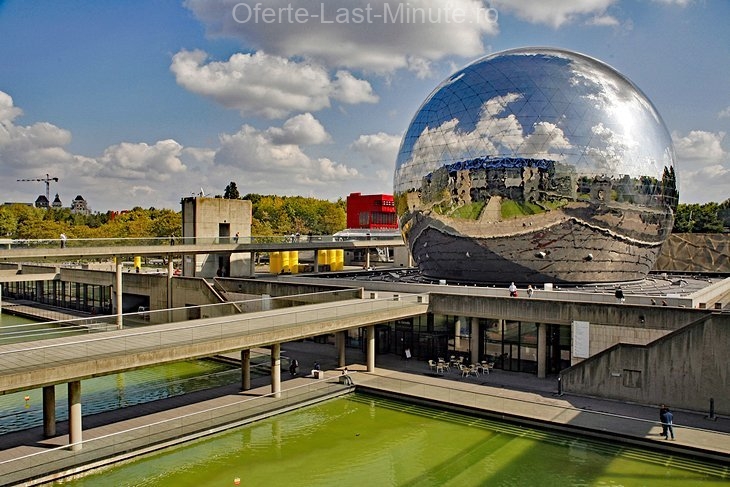 Covering 55 hectares, Villette park is the largest green space in Paris.The park is full of attractions, including children's playgrounds and Cité des Sciences et de L 'Industry (Museum of Science and Technology).Zénith de Paris the concert hall;the place of the show Philharmononie de Paris;and Le Trabando, who organize rock, rap and hip hop concerts.For several days at the end of May, the Villette Sonique Festival attracts huge crowds at outdoor music concerts.Other festivals include jazz in Villette in September and an outdoor film festival (Cinéma de Plein Air), which takes place in the park from mid -July until mid -August.The area around the channel of L 'Ourcq is beautified with ponds and wells.
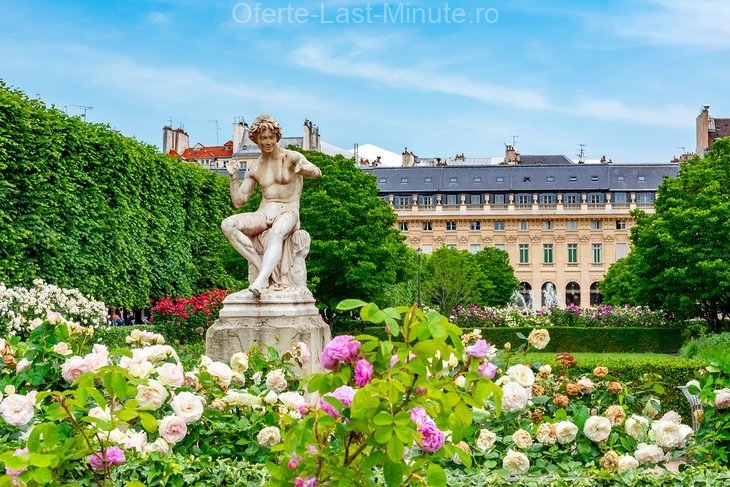 About the Louvru Museum there is a welcome refuge for tourists in the middle of the agitation of the first arrondisment in Paris.This withdrawn place is a hidden escape in the center of the city.Richelieu subsequently inherited the Palace of the Royal Family and became the house of Louis XIV's childhood.Visitors are surprised by the contemporary sculpture installation in the yard and delighted by the lush lands shaded by trees.This quietly closed space has the feeling of being its own small village in the city.There are also some luxurious cafes (with pleasant outdoor terraces) and two refined restaurants: the high kitchen restaurant du Palais Royal (a Michelin star);and Le Grand Véfour, who has a sumptuous dining room (dating from 1784), which presents delicate design motifs "Art Décoratif".And Comédie-Française, a theater known as "Maison de Molière" because he staged so many works of the famous playwright.Comédie-Française was inaugurated in 1790 and is still in use during the theater season.The center of national monuments offers guided group tours.
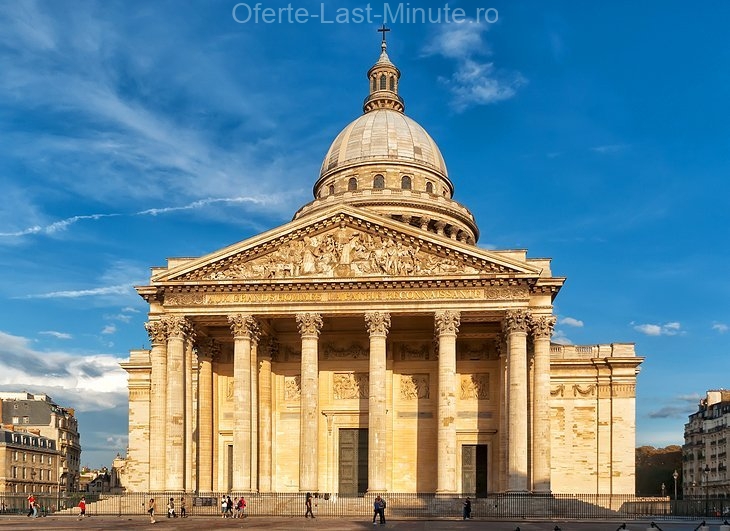 Constructed as a church to compete with the Basilica of Saint Peter in Rome and the Cathedral of Saint Paul in London, Pantheon is the national mausoleum of the greatest citizens of France.In 1756, King Louis XV assist the architect Jacques-Germain Sufflot (1713-80) to build a new church on the site of the ruined monastery in Sainte-Geneviève, and the church was completed in 1790.And it presents instead a simpler and darker neoclassical style.On the inion on the facade of Pantheon it is said "Aux Grands Hommes in the Reconnaisan Fatherland" indicating that the monument was initially dedicated exclusively to "the great people recognized by their country").And the writers Victor Hugo, Alexandre Dumas, Émile Zola and André Malraux.Five other women are buried in Pantheon. From April until October (for additional cost), visitors can climb the Pantheon dome, where a column balcony offers a sensational point of view of the city's landmarks.The panoramas extend from Notre-Dame and Louvru Cathedral to the foreground to the Eiffel Tower.
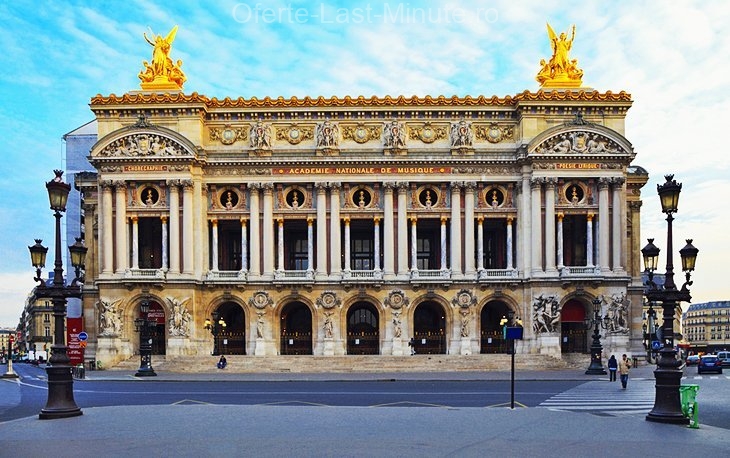 Commanded by Napoleon III in 1860, Opera Palais Garnier was designed by Charles Garnier in an exuberant Baroque style.Garnier worked tirelessly on the project for over a decade, from 1862 to 1875. Today, the Opulent Monument is a symbol of Napoleon's imperial regime.Loggia describes composers' busts, including Rossini, Beethoven and Mozart, while the dome is covered with a statue of Apollo with allegorical figures of poetry and music.Most of the building's space is dedicated to the great foyer with his fabulous Grand Escaier, a marble entrance scale, adorned with golden lamps.The golden balconies, a huge crystal chandelier and a chagall ceiling painting adds to the theater marvel, creating the perfect dramatic background for cultural shows.In addition to the opera, there are ballet shows, classical music concerts and gala events.Participating in a show is a wonderful way to see the inside of the building and enjoy a charming evening.Another option is to visit (an entrance ticket is required) or take a guided tour during the day.The permanent collection of the museum contains drawings of costumes and landscapes, models and paintings of the building.The connoisseurs of the refined table will be delighted to discover Coco, an elegant restaurant within the work (entrance is on Place Jacques-Rouché) that serves refined dishes from contemporary cuisine, prepared from seasonal ingredients.
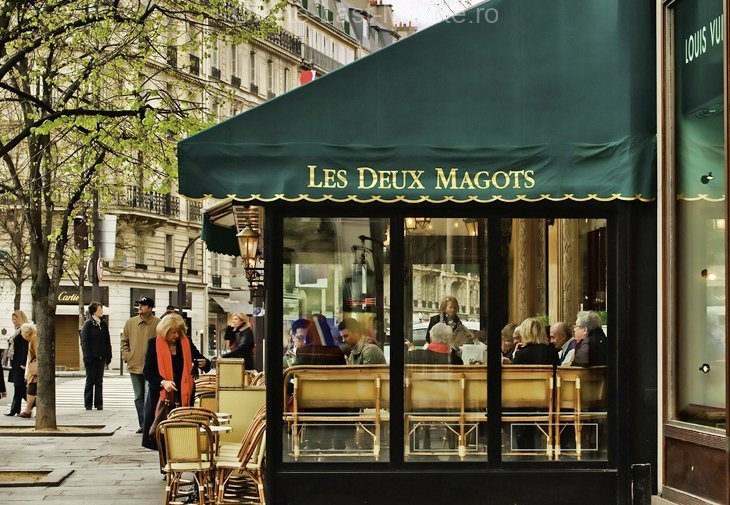 A visit to the city of light is not complete without spending time on the sidewalk terrace or inside a famous café.It is the best Parisian viewing scene of people and a chance to imagine the historical meeting that took place here. In order to discover the legendary cafes in Paris, the best place to start is the Saint-Germain-Des-Prés Boulevard in the 6th.Classic bracelets. In the most famous cafes are Café de Flore (172 Boulevard Saint-Germain-Des-Prés), which was the meeting place of Jean Paul Sartre and Simone de Beauvoir and Les deux Magots (6 Place Saint-Germain-Des-Prés), Baganing of Rimbaud,James Joyce, Picasso, Hemingway and other creative types. N n n n na in Café de Flore, as well as at Les Deux Magots, tourists are treated with a classic Parisian cafe, complemented by waiters wearing butterflies.Although the waiters have a reputation for their sudden service, their formality is added to the authentic environment.Le Dôme from Montparnasse is an institution in Paris (Boulevard 108 Montparnasse) that attracted lights such as Sartre, Simone de Beauvoir and Picasso.In the bright Art Deco dining room, the restaurant serves gastronomic preparations focused on seafood. In no other French classic braser with a mythical past, Coupole (102 Boulevard Montparnasse) was, since the 1920s, visited by famous artists such as André Derain, Fernand Léger, Man Ray, Pablo Picasso.The couples also boasts that Albert Camus and Jean-Paul Sartre served.
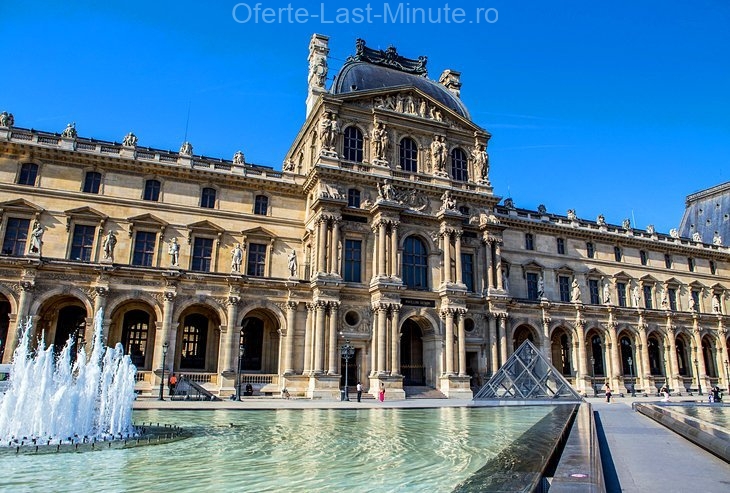 A sumptuous palace that once was the house of the kings of France, Louvre is the most important of the top museums in Paris.Visitors enter the museum in the palace yard at the glass pyramid (designed by Ieoh Ming Pei in 1917).Louvru displays 35,000 works of art (many considered masterpieces)-from antiques to European paintings in the 15th-19th centuries.Moments of the Louvre Museum. In the most famous song is Mona Lisa or La Gioconda (or at Joconde in French) painted by Leonardo da Vinci in 1503-1505.Many tourists pass through the museum just to take a look at this piece, but there are many other works of art that must be visited, even if the time is limited. For the most important moments of the Louvre are the old Venus de Milo sculpture;monumental victory of Samotracia from the Hellenistic period;huge wedding holiday at the cup painted by Veronese (1563);The young lady with Venus and the graces of Botticelli;and freedom leading the people (1831) by Eugène Delacroix, which describes the Parisian uprising in July 1830. In order to make the most of a visit to the Louvre, tourists should join a guided tour.The Louvru Museum passes Line Tour to participants directly in the most famous works of art, including Venus from Milo and Mona Lisa.In this three -hour round, a guide (which is art history) offers in -depth comments about masterpieces.The famous landscape architect André Le Nôtre created the Tuileries gardens in the French formal style of the seventeenth century, with perfectly cared for trees, statues and paths.The benches of the park and the cafes-restaurant with outdoor chairs invite visitors to relax and enjoy the landscape.
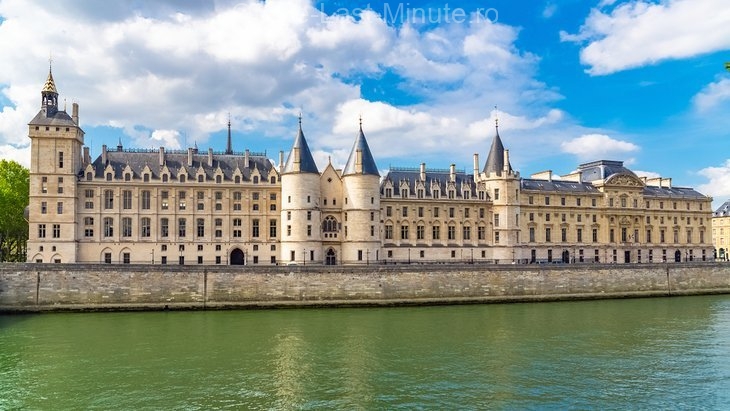 It does not matter the dazzling name, this imposing medi fortress was an infamous place of detention and a court (from 1793 to 1795) during the French Revolution.Here, prisoners, including Marie-Antoinette and Robespierre, were kept in wet cells while waiting for their fate. It is a remnant of Palais from Cité, the royal residence of the kings of France in the 13th and 14th centuries, until the residence moved to Louvru.During the restoration (the return to the throne of the Borboni monarchs), the concience was no longer used as prison, and Maria-Antoinette's cell was transformed into a commemorative chapel.Marie-Antoinette.In this prohibition room, the convicted prisoners were handed over to the horse. In an exceptional view of the neo -Gothic facade of the building, sit on the opposite side of the Sena river, on the quai from Mégisserie.From this distance, with the three round towers and with the Tour of L 'Horloge (clock tower), the fortress resembles a fairy tale castle rather than a penitentiary.It is possible to purchase a combined entrance ticket for Concierie and Sainte-Chapelle.
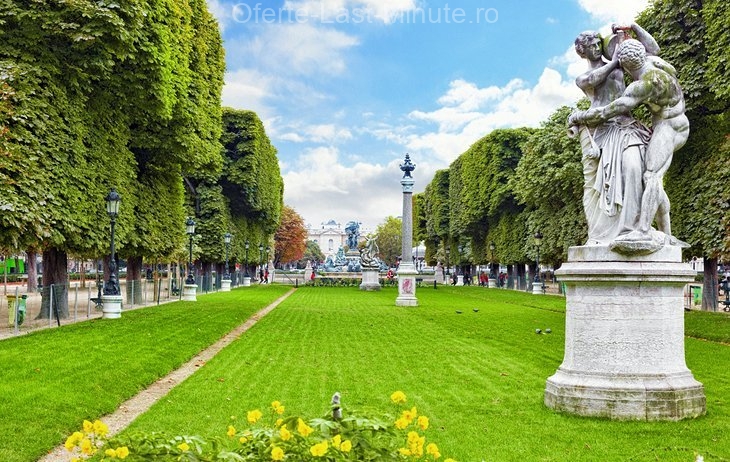 Jardin du Luxembourg is the most popular park in Paris after Tuileries.The Luxembourg gardens were arranged in the seventeenth century, when Palais du Luxembourg was built, but received the current form in the 19th century by the architect Jean François Chalgrin.statues, ordered flower beds and perfectly cared for shrubs.This part of the park exemplifies the classic French style.With the face towards the fountain there are many chairs spread for visitors.XVII, a fountain basin located under the trees opposite the eastern front of Palais du Luxembourg, the palace that King Henri IV created for his wife Marie de Medici and today is used by the French state as the headquarters of the Senate.charming frame.Guests can dine at outdoor tables, under chestnut chestnuts.The menu includes coffee and borders for breakfast and bistro tables at lunch, such as steak, Croque Monsieur (sandwiches), quiche, grilled fish, salad and salads.Also, in the menu are traditional French desserts, such as Profiterole and Crème Brûlée.Students in the Latin neighborhood can be seen here enjoying sandwiches with a lunch or just relaxing on a sunny day.Recreational opportunities include basketball, tennis and chess.The most popular activity for the youngest visitors is the directing of miniature boats in the octagonal swimming pool (boats can be rented to a kiosk next to the pond).Théâtre des Marionnettes is a modern place, in the southwest area of the park, near the tennis courts, which hosts an audience of up to 275 children and adults (which makes it the largest puppet theater in France).
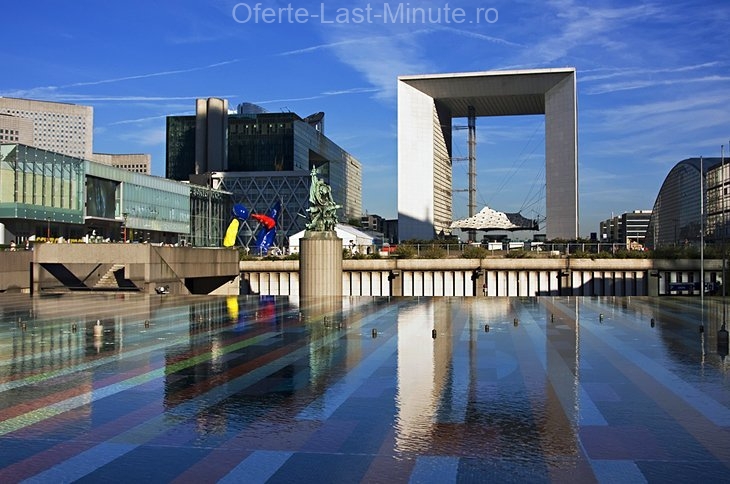 In the west of Paris, at the end of Charles-de-Gaulle Boulevard, there is a complex of erected buildings developed since the mid-1960s. The neighborhood is called La Défense, reminiscent of the bitter resistance of the French forces in this area during the Franco-Prusian War of 1870-1871.XXI.Designed by Johan Otto von Sprekelsen, Grande Arche makes a striking impression.This huge rectangular triumphal arch of 110 meters high is confronted with white marble. In the monument was inaugurated in 1989 on the occasion of the Bicentenary of the French Revolution, and the contemporary structure symbolizes the national value of France's fraternity.The arch was initially called "La Grande Arche de la Fraternité".
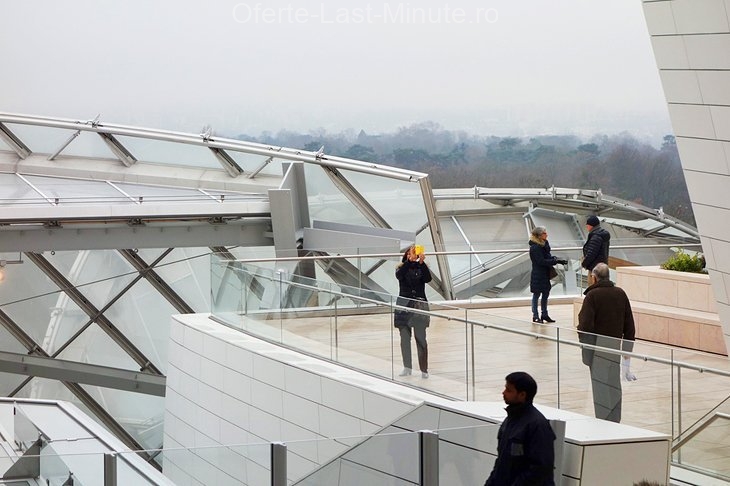 The former hunting ground of the kings of France, Bois de Bologne Park is now hosting a new surprising landmark.Opened in 2014, Foundation Louis Vuitton was commanded by Bernard Arnault, the president of the Louis Vuitton Moët Hennessy corporation.The private museum will eventually become the property of the French state.The elegant exterior resembles an iceberg or huge ship with flowing glass canvas (3600 glass panels in total creates the dramatic effect).The structure contains more steel than the quantity of the Eiffel Tower. Within the 3,500 square meters of the museum there are 11 different galleries.Lighting of natural light, the exhibition space is airy and bright, ideal for showing contemporary art collections. In accordance with the modern theme of the museum, the permanent collection is fully concentrated on the art of the 20th century and the 21st century organized in four different categories: expressionism, contemplative art and sound.Calendar throughout the year with temporary events and exhibits.Cultural events and musical performances are presented in an auditorium of 1,000 seats.Tourists can also enjoy a snack or meal at the Museum Restaurant, Le Frank, who serves a menu created by a Michelin cook.
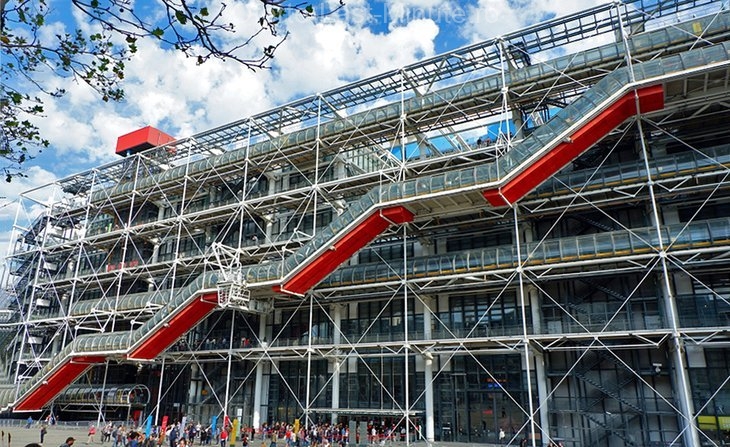 Between Les Halles and Le Marais are the Pompidou Center, a cultural center dedicated to modern art.Unlike the historical buildings of the neighborhood, the Pompidou Center presents a modern shocking architecture, sometimes described as a "outside" design, because the architectural details of the stairs and elevators appear on the outside.present). In the school covers all the movements of modern art, starting with the post -impressionistic movements "Fauves" and "Les Nabis" (André Derain, Raoul Dufy, Henri Matisse, Pierre Bonnard and Marc Chagall) and continuing with the famous movement of cubism (Pablo Picasso, Georges BraquRobert Delaunay).Each room highlights a certain period of time, artistic influence or artistic movement such as expressionism, constructivism (Paul Klee and Piet Mondrian), surrealism (Salvador Dalí, Max Ernst, René Magritte and André Masson), abstract expressionism (Mark Rothko, Nicolas de Startel, Hans Hartung and Serge PoliakoffDubuffet), the new Realism and Pop Art (Andy Warhol, Claes Oldenburg).Kahlo, Les Marés from Tour Eiffel by Marc Chagall, La Blouse Roumaine de Henri Matisse, New York City by Piet Mondrian and Les Loisirs-Hommage à Louis David de Fernand Léger.The known ones have lunch at the elegant contemporary style at Pompidou Centers.Located on the last floor of the museum, the Georges restaurant has windows from the floor to the ceiling with spectacular panoramic views of the urban landscape in Paris.The tables on the terrace have a direct view of the Notre-Dame Cathedral, the Eiffel Tower and Montmartre.
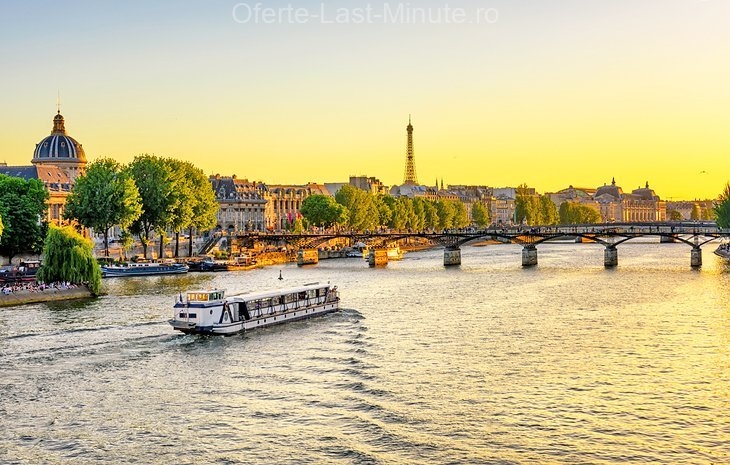 A boat cruise along the Sena river is one of the best ways to enjoy the attractive landscape of Paris.Cruises on the Seine allow tourists to see the goals from a different perspective.The bridges of the Sena river, the Eiffel Tower, the Notre-Dame Cathedral and the Louvru Museum look amazing from the point of view of a boat.After sunset, the city's landmarks are illuminated, which creates a special effect, and somehow the city seems more magical. In a cruise that includes dinner, try Bataux Parisiens is River Gourmet Dinner Sightseeing Cruise.This luxurious boat cruise on the river leaves the port in Bourdonnais (near the Eiffel Tower), and the guests are treated with a three -way gourmet table
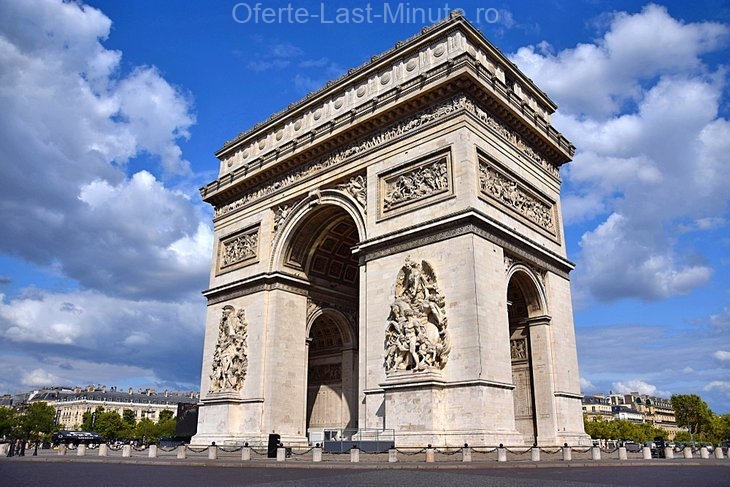 The Arc de Triomphe is dedicated to the soldiers who fought in the French armies of the revolution and the first empire (Napoleonic wars).Napoleon ordered the construction of this powerful structure in 1806, but did not live until its completion in 1836. It was noted by the architect Jean François Chalgrin, who was inspired by Tit's Arch of Rome, the massive arch of 50 meters high presents bas -reliefs with higher figures than the natural ones, which describes the victories, the victoriesFrench. In the end, it is special to note is the bas-relief of François Rude on the part oriented to Champs-Elysées: the departure of the volunteers of 1792, also known as the marsilia, illustrating the troops led by the winged spirit of freedom.On the inner surface of the arc is the names of over 660 generals and over one hundred battles. In the top of the monument, a viewing platform offers panoramic views of the 12 boulevards that radiate from Place by L 'Etoile, including the route from Champs-Elysées to Place from Concorde and Luvru.It is possible to see up to Défense, Montmartre and the Eiffel Tower. In the foot of the Arc of Triumph is the tomb of the unknown soldier, dedicated in 1921 as a memorial to an anonymous soldier (symbol of many other unknown soldiers who died with bravery for their country during the First World War.At the grave of the unknown host on November 11, 1923 and from that time he was never extinguished.Each evening, at 6:30 pm, a ritual takes place to resist the memorial flame at the tomb.Fête from Victoire on May 8, which celebrates the end of World War II and release from Nazi occupation;as well as festivities for July 14 (Bastilia Day). In the monument offers the French guided tours every day at 10:30;These tours are included in the price of the entrance ticket.The site also has documentation and multimedia presentations in several languages.For visitors with low mobility and young children, there is an elevator to reach the viewing platform.Otherwise, visitors must take the stairs.
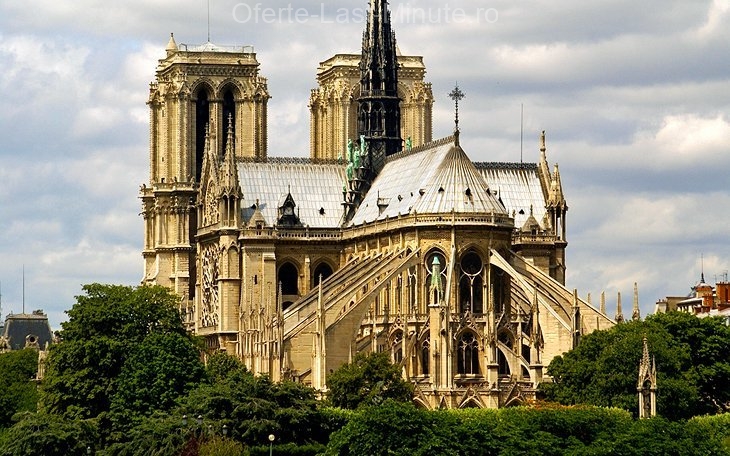 Notre-Dame is in the heart of Paris, on the-la-Cité, near the Latin neighborhood.An island in the Sena river, Île-de-La-Cité is the historical and geographical center of Paris.On this small land, the Romanians built the Gallo-Roman city of Lutheia, and from the 5th century, the kings of France lived here.The cathedral was created for the first time in the early Gothic style, while the subsequent additions (the western part and the nave) show the transition to the high Gothic style.Tourists are immediately struck by the ornamental design of the facade, with its abundance of sculptures and Gargoyle, while the elaborate flying contraventions offer structural integrity to the huge building.Rows of 28 complicated carved figures reveal representations of the French kings, from Childebert I (511-588) to Philippe Auguste.These figures lost their heads during the revolution.(The heads are now exposed to the Cluny Museum.)The sanctuary seems almost endless and attracts visitors with the light of the flickering candles.The most remarkable window is the showcase in the northern transet.This amazing work of art presents 80 Old Testament scenes centered around the Virgin.The extent of the damages is still uated.At this moment, the interior is closed to the public.The city intends to rebuild the cathedral and bring it back to its previous state.It is expected that the reopening will take place in 2024. In the reopening, the congregation of Notre-Dame de Paris will celebrate the Liturgy at Eglise Saint-Germain L 'Auxerrois (2 Place du Louvre) of the Aroundment 1
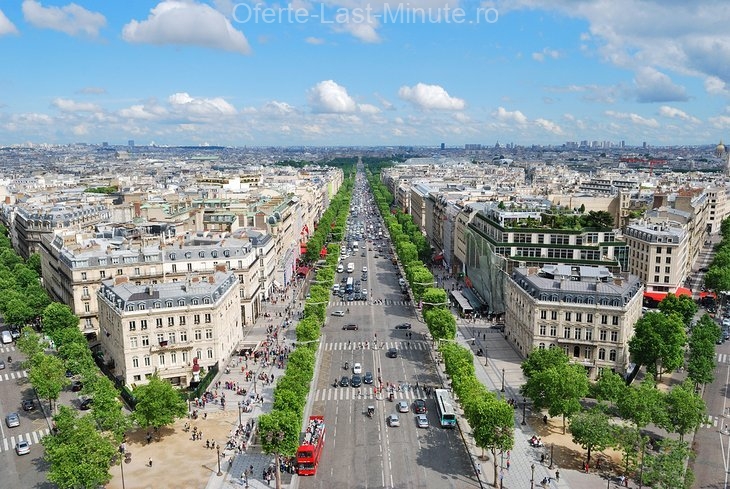 The most monumental boulevard in Paris was a deserted marsh field until the seventeenth century, when it was arranged by André Le Nôtre.A century later, Parisian urbanist Baron Haussman designed the elegant buildings of the boulevard.Champs-Elysées is divided into two parts, with Rond-Point des Champs-Elysées as an intersection.The upper part, which extends to the Arc de Triomphe, is lined by luxury shops, hotels, restaurants, cafes, cinemas and theaters.This lively area attracts many tourists and is a place of assembly for Parisians. N nchamps-Elysées is renowned for its prestigious units, such as Maison Ladurée (75 Avenue des Champs-Elysées), a renowned Pâtisserie shop in the 18th century tea"Macarons") and luxury designer boutiques such as Tiffany Co.(62 Avenue des champs-Élysées), Louis-Vitton (101 Avenue des Champs-Elysées) and Cartier (154 avenue des champs-Élysées).Champs-Élysées) and the elegant gastronomic restaurant l 'workshop of Joël Robuchon (133 Avenue des Champs Elysées), who has a Michelin star.Disney, H M, Starbucks, Quick, Burger King and McDonald s. N nadresa: 75008 Paris (Métro: Champs-Élysées Clemenceau to visit Jardin des Champs-Élysées and Petit Palais, Franklin D.Laduree, George V station for the main commercial area).

