
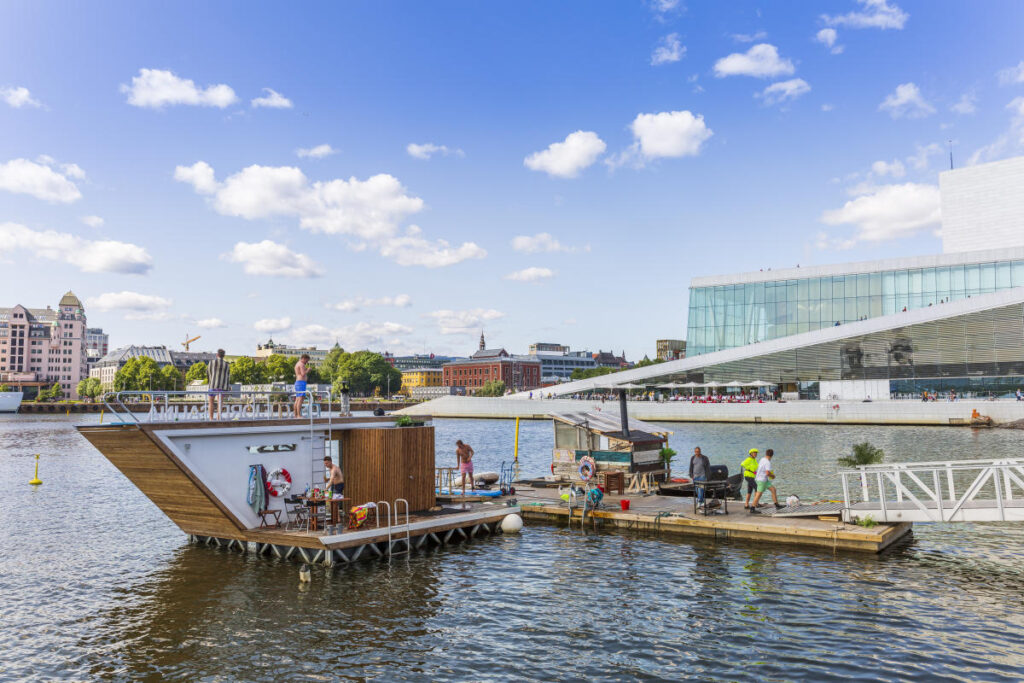
Oslo, the beautiful capital of Norway, is one of the largest capitals in the world as an area.Interestingly, only 20% of this terrestrial meal has been developed.The rest consists of parks, protected forests, hills and hundreds of lakes.Parks and open spaces are an integral part of Oslo’s landscape and are easily accessible anywhere in the city.
About
Best period
The best months in Bergen are June, July, August and September
February is the coldest month of the year
Tourist Attractions
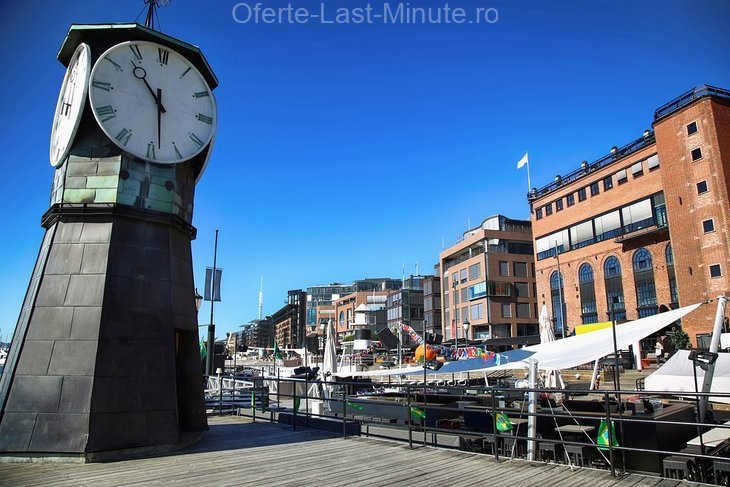 Built around an abandoned naval site, the Aker Brygge area of Oslo is the heart and soul of the city.Day and night full of life and vibrant, its amazing architecture - that magnificent mixture of new and old, which perfectly complements the amazing natural beauty of Norway - is exposed everywhere and everywhere.Comfortable bars throughout the year, with comfortable carpets and fireplaces.The museum consists of two buildings: one for its own collection of works like Andy Warhol, Damien Hirst and Jeff Koons, the other for rotary exhibitions.
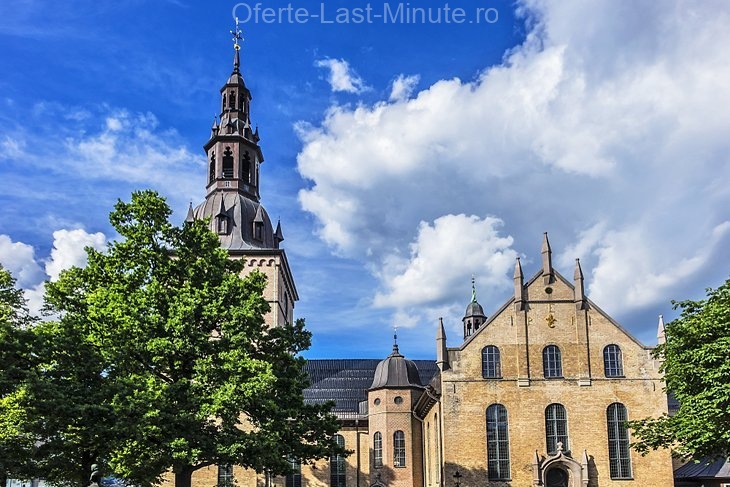 Although she was consecrated in 1697, the Oslo Cathedral (Oslo Domkirke) was rebuilt and renovated several times.Its tower was rebuilt in 1850, while its interior was renovated shortly after the end of World War II. In the notable characteristics include the main door with its decorated bronze doors, as well as the paintings of the HL Mohr, the pulpit and the baroque altar (1699) and the stained glass windows.After that, make sure you visit the Oslo bazaar along the old walls of the church.Dating from 1841 these fascinating rooms are now occupied by galleries, cafes and antiques
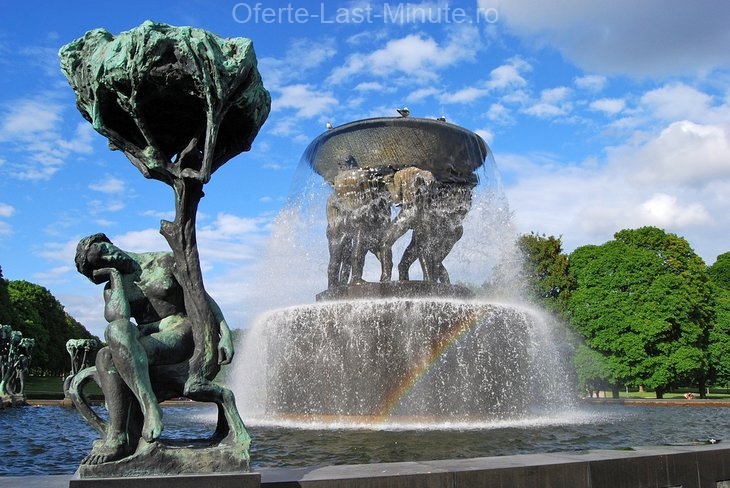 Vigeland Sculpture Park (Vigelandsanlegget) iconic park, which is in the famous Frogner Park in Oslo (Frognerparken), is one of the most famous tourist attractions in Norway.Opened throughout the year, this unique sculpture park is Gustav Vigeland's work and contains 650 dynamic bronze, granite and wrought iron sculptures.The oldest is the group of wells, which describes the cycle of human life, beyond which you can see the monolith of 16 meters high, comprising 121 braided human bodies.nation.Here you can find the Oslo city museum (Oslo Bymuseum), as well as the Vigeland (VigelandMuseet) Museum, which is right outside the park.
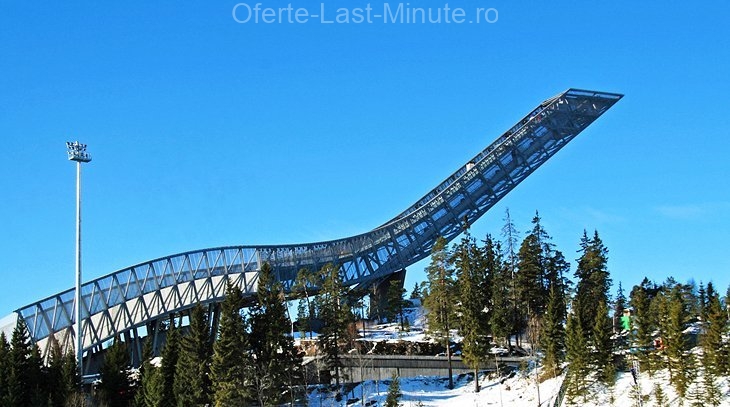 Located at the base of Holmekollen Ski Jump (Holmekollbakken), the Ski Museum is the oldest in the world, opened in 1923. Here, ski enthusiasts will find exhibits and artifacts that relate almost 4,000 years of ski history and explore various topics., including the weather and polar exploration.Other skis in the collection are a wide variety of land and uses, from mountain skis to fast skis and even the longest skis. N Nmuzea also has a Hall of Fame dedicated to large Norwegian skiers, interactive exhibitions on modern ski and snowboarding and information on Polar Explorations of Fridtjof Nansen.The guided tours include the ski jump and its deck to observe the Salt tower, which has excellent views on the city.
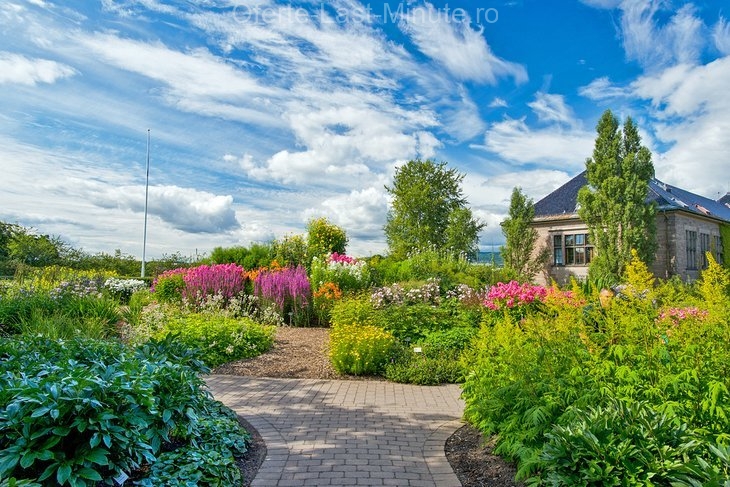 The Museum of Natural History in Oslo (Naturhistorisk Museum) - consisting of the Geological Museum, the Zoological Museum and Botanical Gardens - is the largest collection of natural history in Norway.The Geological Museum includes minerals, precious metals and meteorites, plus an impressive collection of dinosaur skeletons, while in the Zoological Museum you will find Norwegian fauna diorame.However, the best thing is the refined botanical garden.
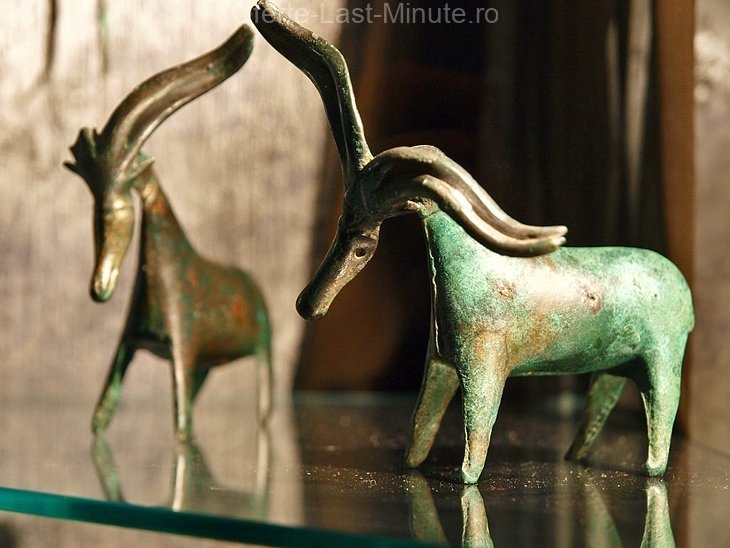 The Museum of Cultural History (Kulturhistorisk Museum) also operates the Viking Ship Museum and supervises the City Museum, which explores different aspects of human history.It hosts the largest set of Egyptian artifacts in Norway, including mummies and funeral objects.There is also a large exhibition dedicated to the history of the gold currency, including examples of coins of the last 2,600 years. In high areas of the museum focuses on looking at people, exploring the life of indigenous peoples, as well as an exhibition that causes thoughts about the ability of humanity to overcome threats and challenges that cannot be controlled.The museum also hosts a variety of temporary exhibits and continues to be added to its exhibition in the Viking era, which contains rare objects, such as a canned Viking helmet.
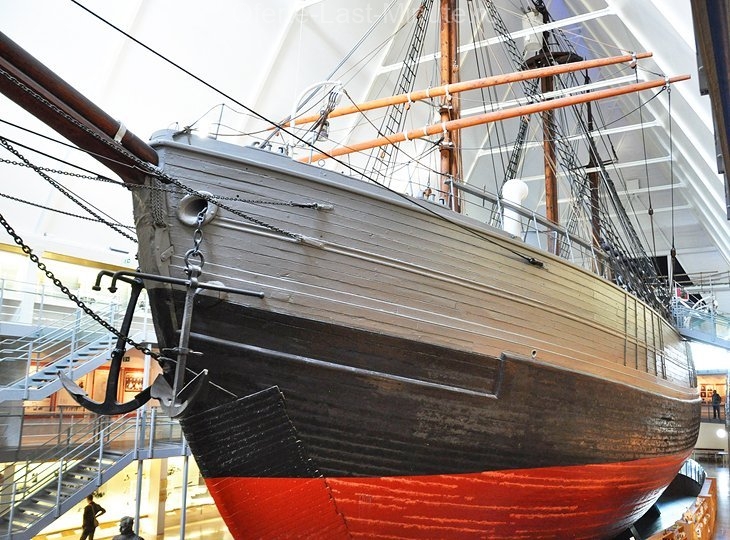 Named after the first Norwegian ship specially built for polar research, the Framuseet Museum (Frammuseet) is a necessity for anyone who has an interest in Arctic Exploration.The star attraction of the museum is Fram, an icon due to its numerous successful polar trips, as well as GJøa, the first ship to sail in the North - West Passage.With its fascinating exhibitions about fishing, the construction of ships and marine archeology, as well as an impressive collection of models and paintings, a visit here is the well -spent time.
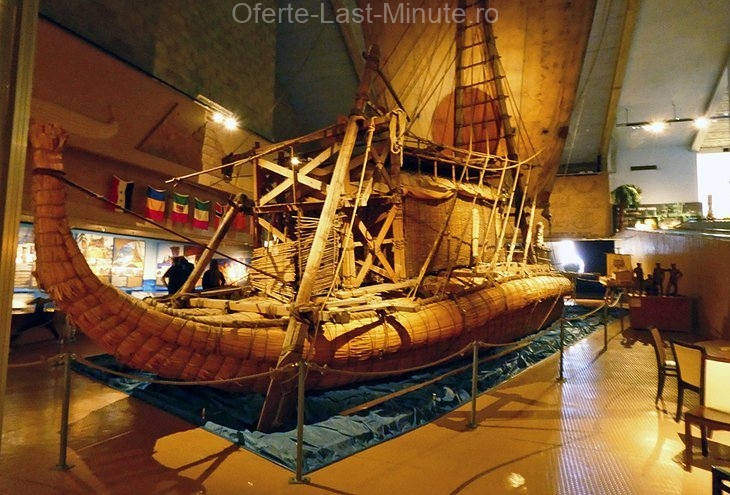 Located in an adjacent building at the Fram Museum is the Kon -Tiki Museum (Kon -Tiki Museet), with its dedicated display Thor Heyerdahl.This Norwegian explorer, explorer and adventurer captured the hearts and minds of the world when, in 1947, sailed from Peru to East Polynesia on a cork made of Balsa to prove that the Pacific region was seated.its famous ship.In addition to seeing the famous Kon-Tiki almost, other ships used by the Norwegian legend, including 14-meter long, made of papyrus and sailed over the Atlantic Ocean in 1970.
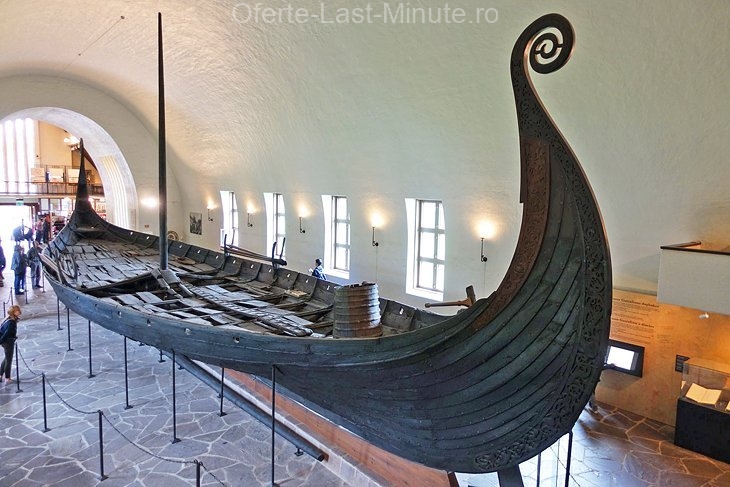 No trip to Norway would be complete without visiting at least one of the many museums and exhibits dedicated to the country's Viking past.One of the best is the Viking Museum (Vikingskipshuset På Bygdøy).This popular attraction houses three historical vessels of the 9th century, the best preserved being the 21-meter long Oseberg ship.and was used for the funeral of a boss's wife and two other women.They were buried with a large selection of objects, including furniture, clothing and personal objects, which offer a great perspective on the life of the Vikings. In the other exposed vessels include the 23 -meter Gokstad ship, a maritime ship to be used under the ship or with rows and the ship is less intact.The film of the museum, Vikings Alive, offers a fascinating look at these artifacts and demonstrates the long Viking naval construction process by using the CGI animation.The museum also hosts some exhibits and additional films, which explore the Viking life on the seas.A store is located on the spot, and the audio guides in English are available with admission (guided tours are also offered).
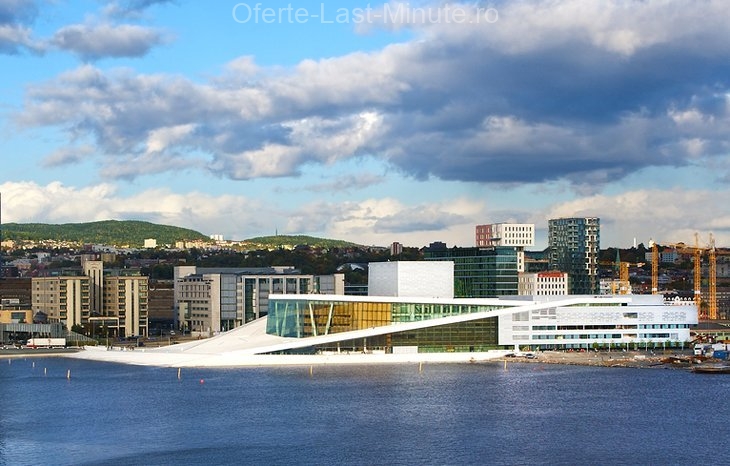 At home at the Norwegian National Opera and Ballet, as well as at the National Opera Theater, Oslo Opera with 1,364 places (Opehuset) seems to want to slip into the port of the city, an exaggerated effect by its angular outer surfaces.Dressed in Italian marble and white granite, the work is the largest cultural building built in Norway at the Nidaros Cathedral in Trondheim in the fourteenth century.Visit Oslo in August, make sure you spend some time enjoying the one-month room music festival, which includes dozens of room music concerts that attract international renowned musicians around the world.The shows take place in the spectacular fortress Akershus, with the amazing Oslofjord as a background.Oslo also hosts the contemporary music festival last in mid -October, which presents a competition for new orchestral works.
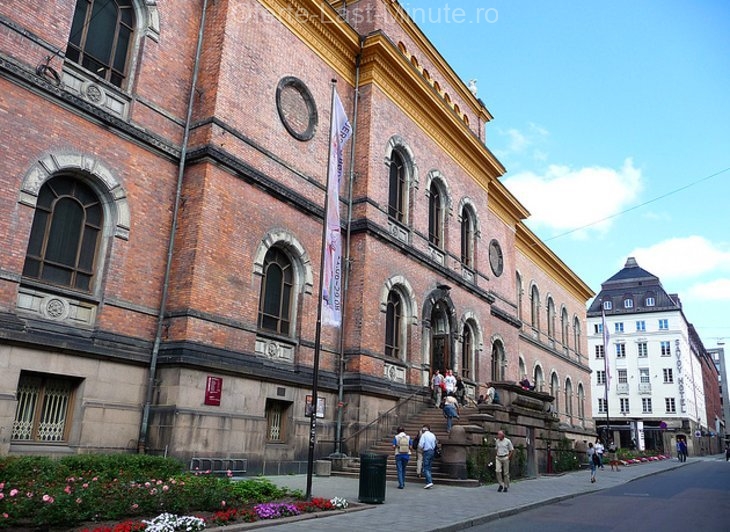 Scheduled to open in 2022, the new Oslo National Museum will consist of collections from the National Gallery and the National Museum - Architecture, as well as additional art collections and contemporary design.The largest such museum in Scandinavia will host the largest art collection of the country, encompassing the work of Norwegian artists from the 19th century, including JC Dahl and several works of Edvard Munch, including its most famous work, The Scream.Currently closed the Museum of Decorative Arts and Design and will become the House of National Gallery Collections.Tourists should be aware that various exhibits may not be opened during the move, so check the museum's website before planning a trip.
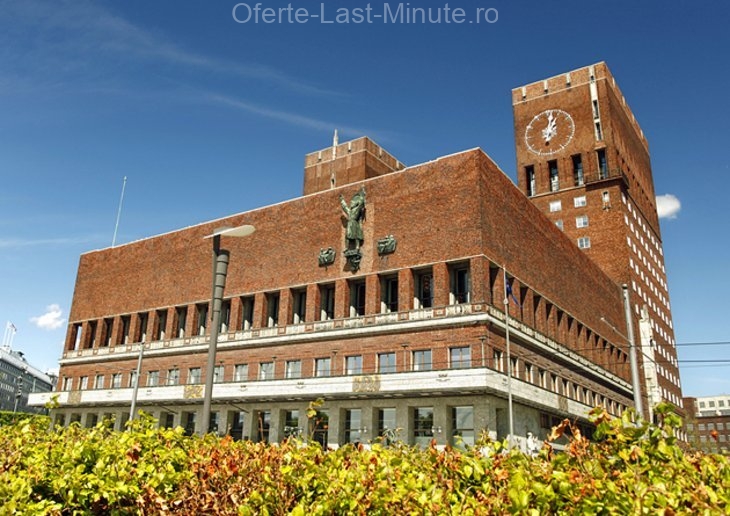 The huge town hall of Oslo (Rådhuset) is undoubtedly one of the landmarks of the city.This square imposing building, built of concrete with brick facade, was designed by Arnstein Arneberg and Magnus Poulson and has two towers, one of them adorned with a huge clock.One of the towers houses the 38 bells that are heard hearing throughout the port area. In next to its fascinating facade, with sculptures and reliefs, the interior also deserves a visit.Here you will see a rich fresco created by Henrik Sørensen, Per Krohg, Edvard Munch and other famous Norwegian artists.
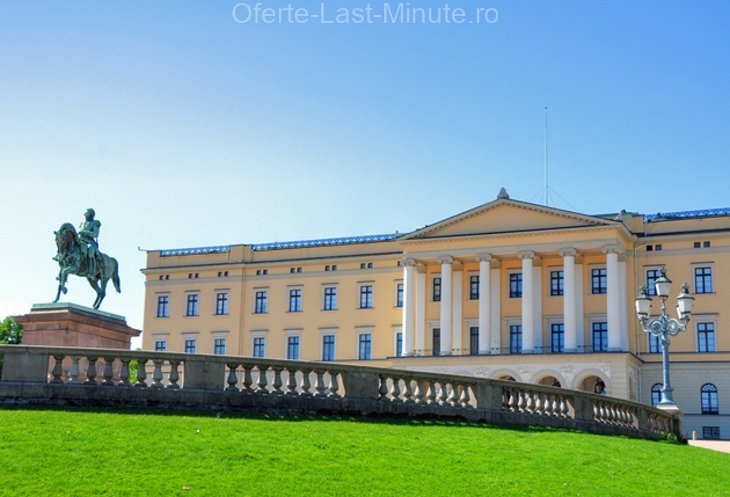 Located above, at the northwestern end of Karl Johansgate, the Norwegian Royal Palace (Slottet) was built in 1825 and dominates the urban landscape.The impressive building with 173 rooms is open to the public for guided tours only in summer, with English guides four times a day. N n n tuts include Parlor and Cloakroom, White Parlor, Mirror Hall, Great Hall and other significant palace rooms.Visitors are also free to wander on land and gardens or to follow the regular change of the guard throughout the year.Even in the south of the Palace is the Nobel Institute in Norway (DET Norske Nobelinstitutt) where the Nobel Peace Prize is presented.
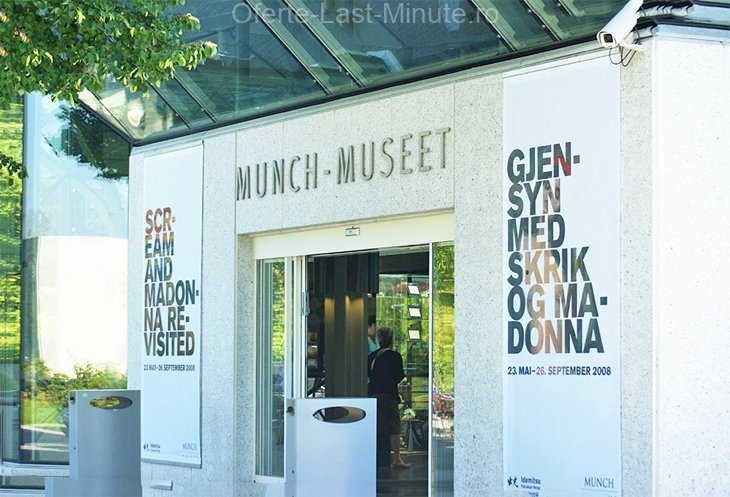 Dedicated to the life and work of the greatest Norwegian painter, Edvard Munch (1863-1944), Munch Museum (Munch -Museet) contains a vast collection of paintings, graphic art, drawings, watercolors and sculptures from the life of the great artist.Special exhibits dedicated to certain aspects of Munch's work through projections of films, concerts, guided tours and lectures.Although the move is expected to be completed by the end of 2021, be sure to check information on their official website first.
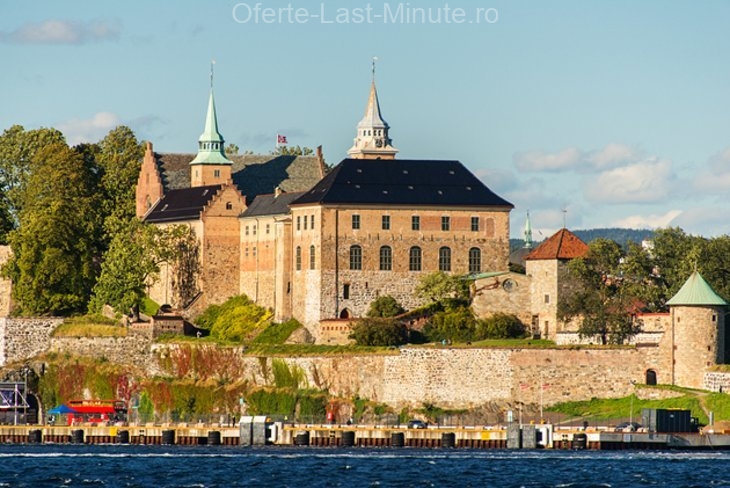 Rising above the Oslofjord, on the Akernes promontory, is the majestic Akershus (Akershus festning) fortress built by Håkon V at the end of the 13th century.You can easily spend the best part of a day to visit the tourist attractions here. Infring time to walk on the land and with their wonderful views on the port before exploring the picturesque chapel with the tomb of Håkon VII (1872-1957) and the remains of the original medi castle.Also, in the field is the Norwegian resistance Museum, also known as the Norwegian Museum of the Home Front (Norges Hjemmefrontmuseum).Be prepared to spend a few hours here, finding out about the German occupation of 1940-45.This fascinating museum presents numerous exposures of weapons and exhibits that illustrate the history of Norwegian forces and the defense of Norway over the centuries.

