
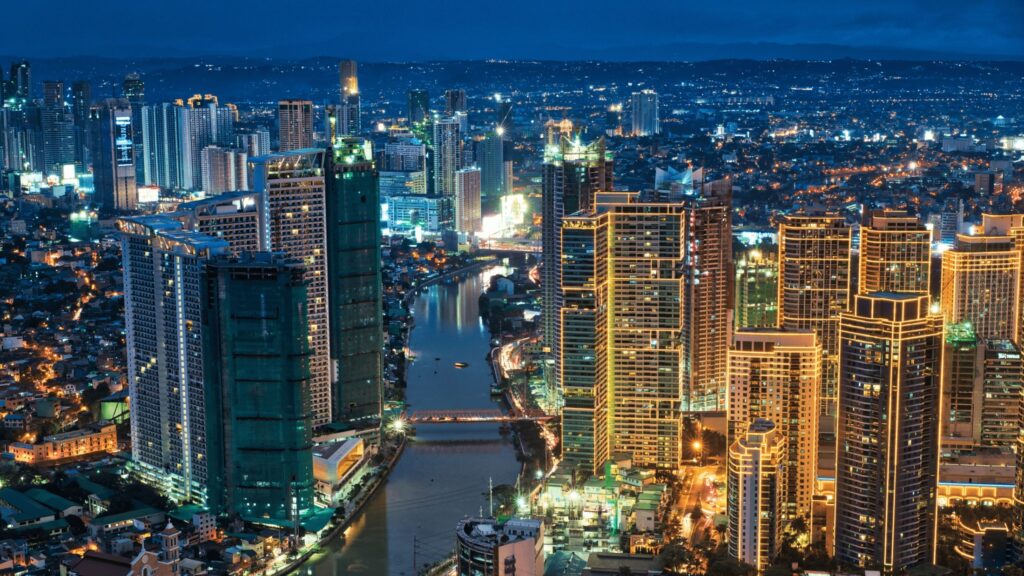
The crowded city Manila, the capital of the Philippines, is an interesting and energetic metropolis.Get on board any of the colorful jeepnes and kitsch to get from one place to the city.The emblematic buses that usually pack more people than they can keep are the main form of transport and deserve at least one trip during the visit, just for experience.
About
.
Best period
The best months for good weather in Manila are January, February, March, April, October, November and December
On average, the hottest months are March, April, May, June, July, September, October and November
July is the rainy month
The sea temperature is suitable for swimming throughout the year
Tourist Attractions
 Manila Ocean Park is one of the most unique adventures in the city and one of the best things to do for families visiting the city.Interact with the marine life with the meeting with sharks and rays, routes to Antarctica or the Spa Center with Fish, where the fish clean your feet in a small water pool.The park fills easily for several hours, depending on how many meetings you try.In addition to the state -of -the -art aquatic installation, you will see exhibits of birds and other animals.
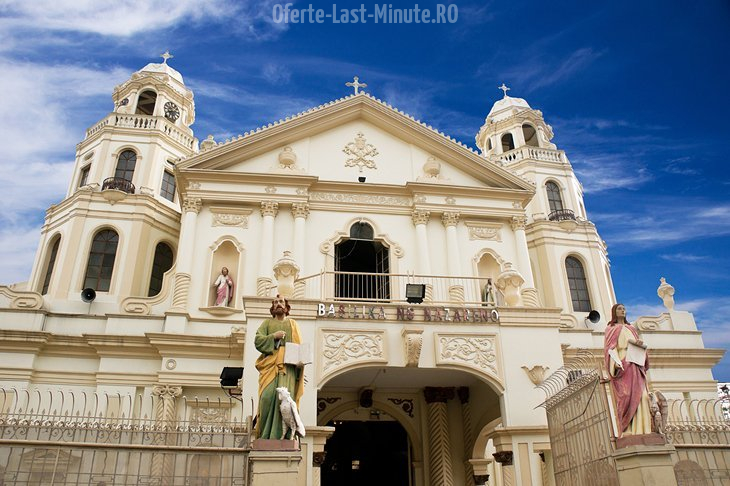 The Quiapo church is one of the oldest and most admired Catholic churches in Manila.The more formal name of the church is the small basilica of the black Nazarinean.Depending on the time of the day, the market around the old church for a century can be quite crowded, which makes it an interesting place to visit to admire the devotion of the Philippine people.Despite the big devices of the church, this is one of the top attractions in the city.Quezon Blvd., Queapo, Manila, Luzon
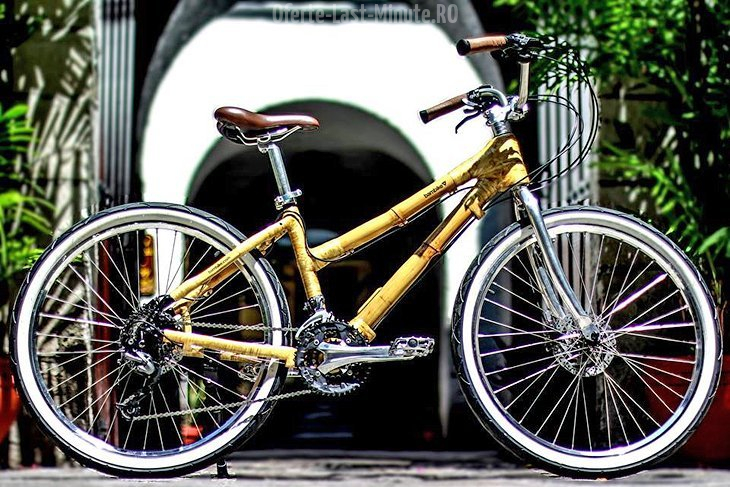 Manila is a city friendly with pedestrians, but if you want to explore culture and history more efficiently, consider Bambike Ecotours.The tours offer a unique, environmentally friendly way to see the city of Manila.By doing an ecotour, you also support ecological sustainability efforts.The company has a social assistance initiative that hires villagers for bicycle production.Depending on your interests, you can select a tour that involves history, art or city life.
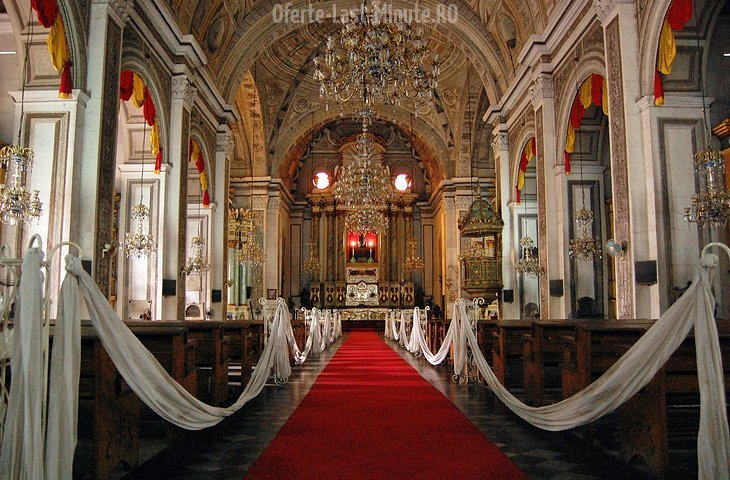 Being a site designated in the UNESCO World Heritage, the San Agustin Church is a national treasure in the Philippines.The Catholic Church has a unique history, which is reflected in the details of the building.If you look carefully, you will see both Chinese and Spanish influences in design.The church has been rebuilt several times after natural battles and disasters.If you are interested in history or architecture, it would be worthwhile to hire a local guide that can take you on a walking tour of the area and describe complicated details of the church that you may not notice alone.Real Streets, Intramos, Manila, Luzon 1002
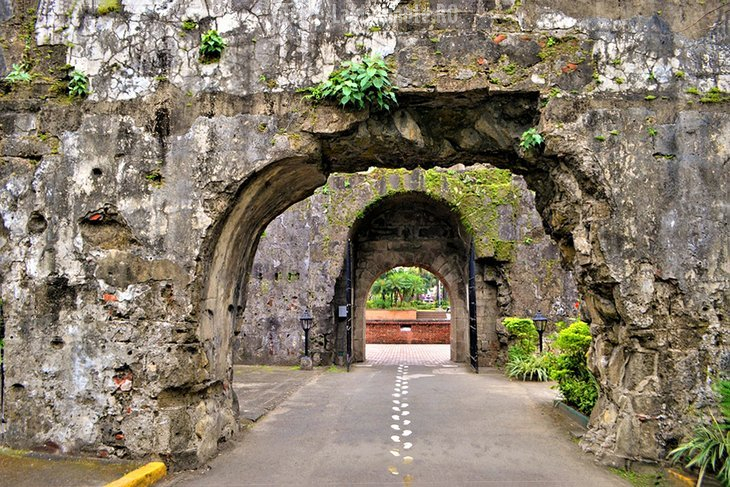 You will probably go through Intramuros, whether you know it or not, while you explore Manila.It is the oldest portion of the city and is characterized by the fortress with walls.This section of Manila was once a city with walls during the Spanish colonial period, between 1500 and 1800.While you can walk on your own field, you may want to take a guided tour to find out more about the city with walls and its significance for Manila.Padre Burgos St, Manila, Luzon
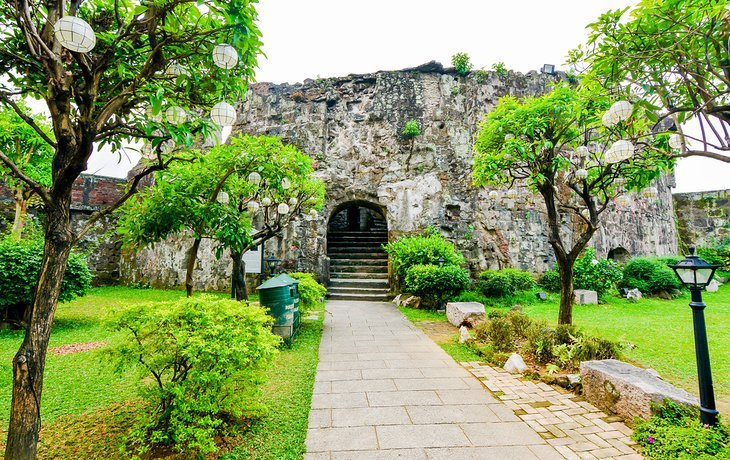 The Fort Santiago site is an impressive stop if you visit the city and is one of the most important historical sites in Manila.The fortress of the sixteenth century was the key in intramurous protection, which is the oldest neighborhood in Manila, known as the built city.Make sure you take into account the bullets markings that are still visible in the walls of the fortress and move to the Visitors Center for more detailed information.
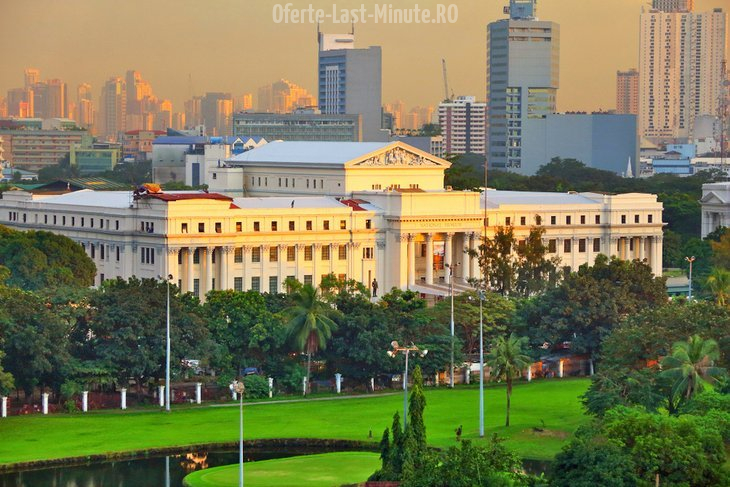 For a true exploration of the country's culture, the National Museum of the Philippines is one of the best places to visit.The museum has four main complexes and extended collections and artifacts related to art, archeology, anthropology, zoology, biology and natural history.The museum galleries offer a feeling of the place, telling the cultural story beyond what you will find on your own by visiting the numerous historical attractions of the city.
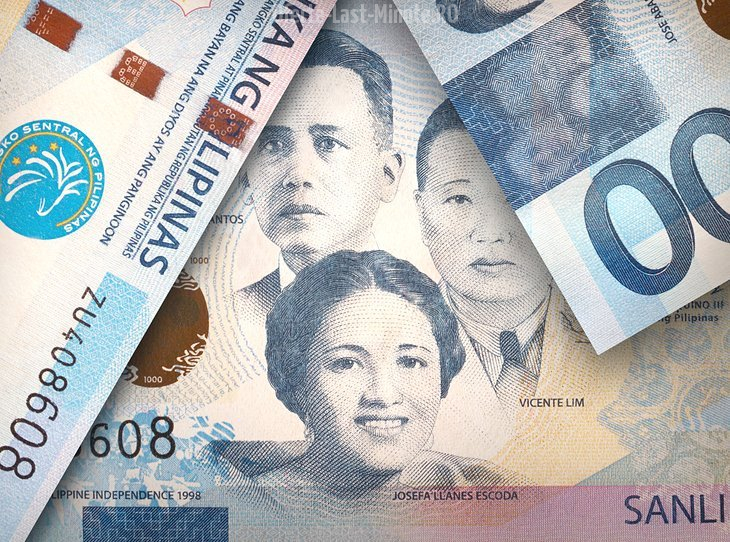 Scucted inside the central banking authority in the Philippines, Bangko Sentral NG Pilipinas, is a fascinating money museum.The galleries show Filipino money over several decades.There are artifacts, old coins and various exposed coins that illustrate the changes of money over time.For the Philippine people, this collection represents the economic stability of the country, but for visitors, it is a fun tourist attraction.P. Ocampo Street, Manila, Luzon officially: http://www.bsp.gov.ph/about/facilits_money.asp
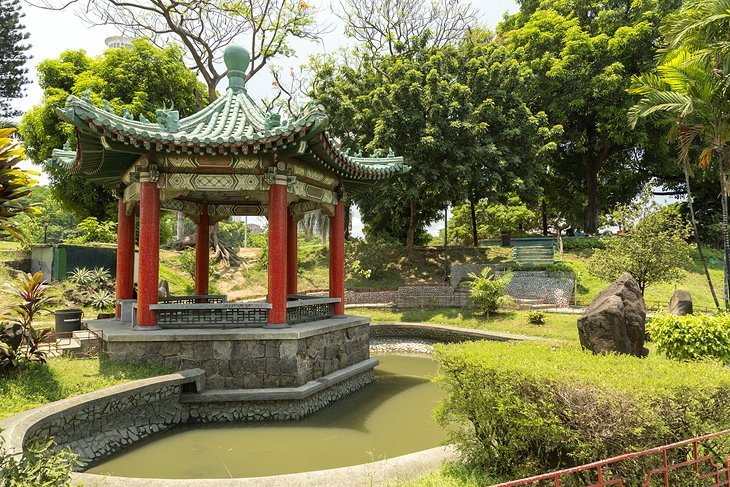 One of the first stops in Manila should be the Rizal Park.Sometimes the Luneta Park is called, this is a quiet and outdoor garden, located in the heart of the city.Throughout the park.You will see statues and monuments that pay tribute to the history of Manile.Make sure you walk around the park to admire the local flora and fauna.Keep your eyes open for the Narra tree, the national tree of the Philippines and the small lake with the structure of the artistically raised archipelago.
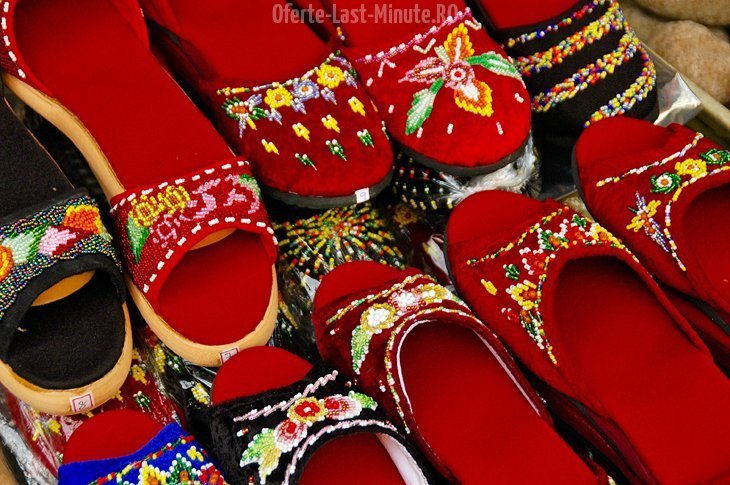 If you want to negotiate at the store, go to the animated Divisoria market in Manila.It is located in the heart of the Chinese neighborhood, where you will discover the stalls of overflowing sellers who sell everything, from fruits and spices to slaves and beads.The lively atmosphere is like a market for seniority, and the fair is the name of the game.You should only pay about 50 percent of the price of an article and often you can get souvenirs much lower.
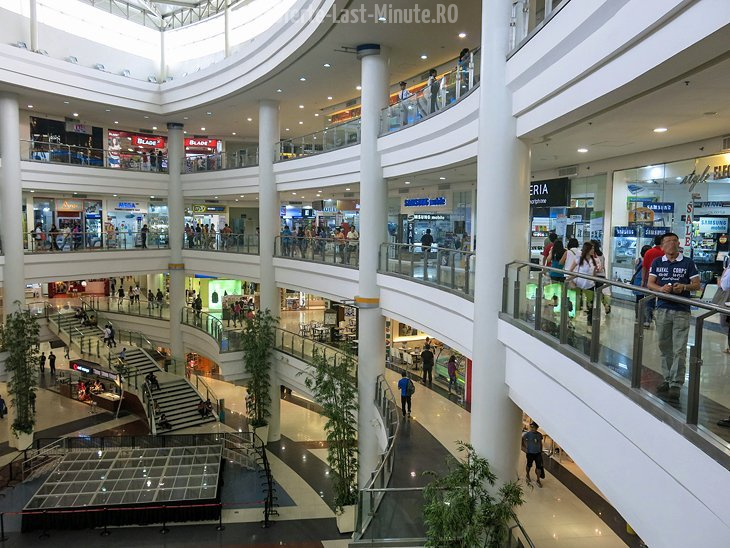 While a mall may not be in the top of your list to explore the culture in Manila, Robinsons Place Mall has a surprising number of unique shops where you can find local items.While locals shop here, it is also a popular place for tourists.The mall is extended, so plan time to walk inside and explore stores.The modern building of the mall is a strong contrast with the rustic and historical landmarks that surround it.

