

The city of Madrid, the capital of Spain, is the largest city of this country and at the same time a cosmopolitan city, business center, government center, parliament and royal family.
About
Best period
The best months for good weather in Madrid are April, May, June, July, August, September and October
On average the hottest months are July and August
January is the coldest month of the year
Tourist Attractions
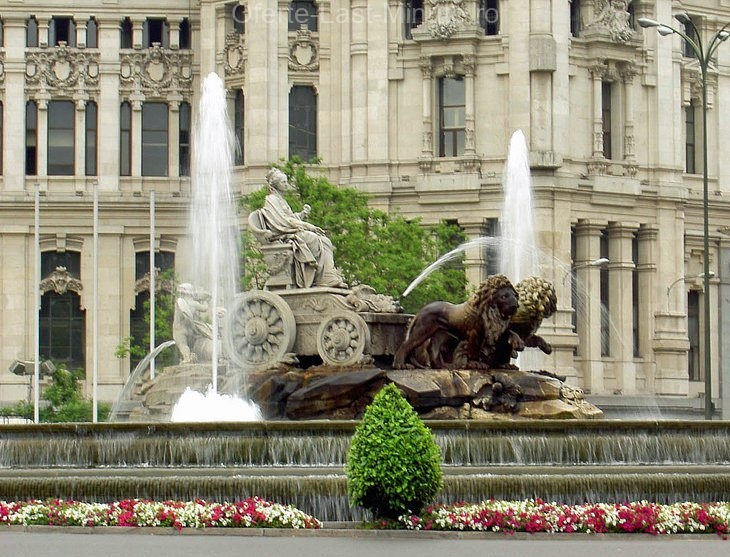 Located at an important road intersection, Fuente de Cibels (Cybelea Fântâna) is one of the most emblematic monuments in Madrid.Realist statues depict the Roman goddess Cibele on a car pulled.The fountain was created in 1782 by Francisco Gutiérrez and Roberto Michel for the initial purpose of providing water for public use. Behind the fountain is Palacio de Cibeles that houses the Centrocentro Cultural Center, which hosts exhibitions of art and workshops, conferences and concerts.Centro Palacio de Cibeles has two restaurants: Colección Cibeles and Palacio de Cibeles restaurant from the 6th floor, an elegant restaurant, with a spectacular view in the city.Visitors can also admire panoramic views on the Mirador observation deck on the eighth floor of the building.Tourists will find many restaurants, hotels and theaters on this lively street.Right next to Gran Vía on Calle de Jovellanos, the famous Teatro from Zarzuela presents ballet shows and classical music concerts, including shows famous by Zarzuela - a unique satirical work with songs accompanied by classical Spanish guitar music.
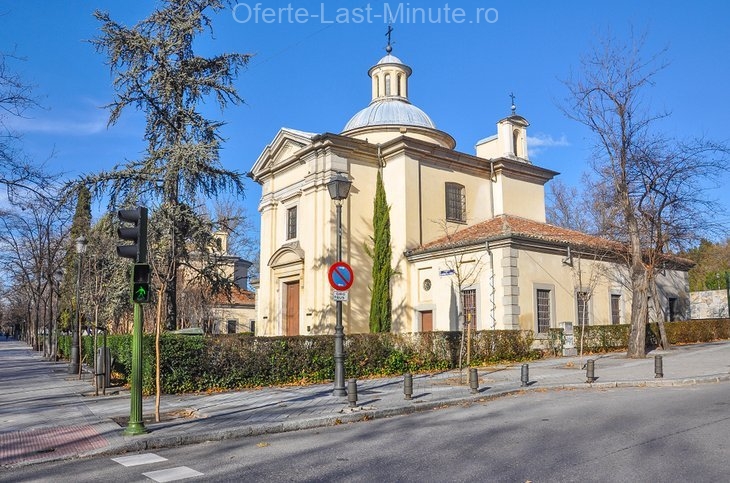 Perhaps the least visited of the great art treasures in Madrid are the amazing frescoes painted by Francesco Goya who fills the San Antonio hermitage from Florida.Small chapel, along the banks of the Manzarares river behind the royal palace, hosts an annual festival in honor of Saint Antonie de Padua on June 13, but the interior has become a pilgrimage place for art lovers.Daily day from Madrid.The frescoes reveal Goya's boldness of the artistic style and revolutionary painting techniques.They have been painted at a decisive moment in Goya's career and are considered a precursor to modern painting. In the head is designated as a national monument and is no longer used for religious services to protect the frescoes.
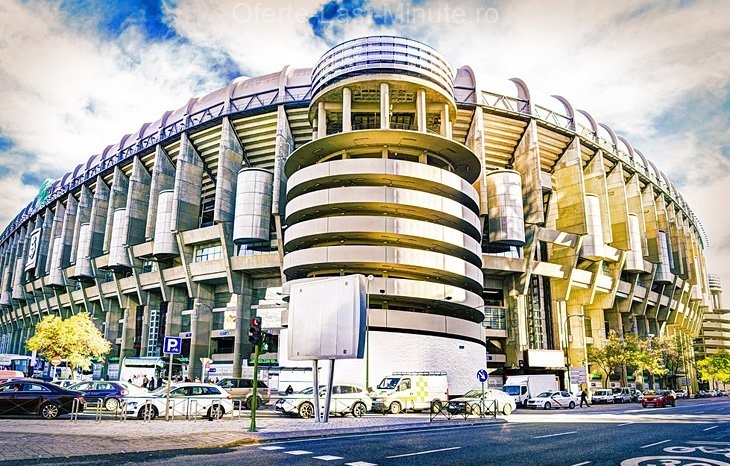 Not all the tourist attractions in Madrid turn around the art.One of the most visited museums attracts football fans at the city's home team stadium, Real Madrid.The tours also offer fans the chance to enjoy the sight of the field at the top of the stadium.
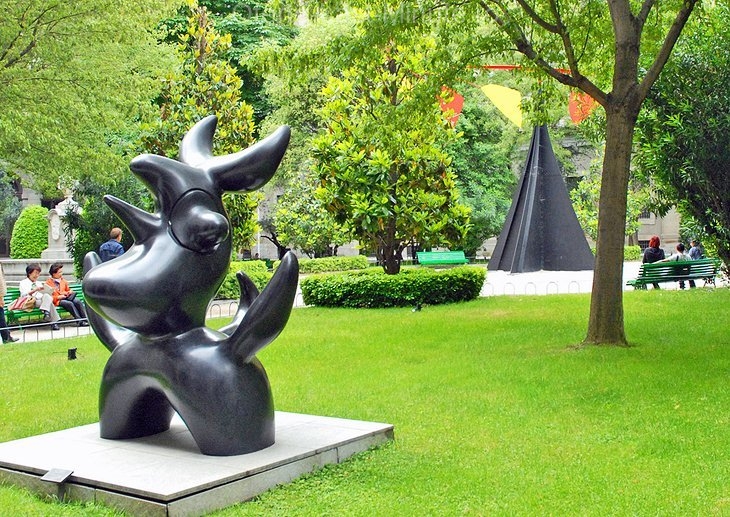 Opened by Queen Sofía in 1986, the Centro Centro Museum of Arts Reina Sofía is the Avangard Center for Contemporary Art in Madrid.The modern and elegant building was created by the architect Antonio Fernández Alba and has features reminiscent of the Pompidou Center in Paris, especially the three glass towers that house the elevators outside the building.works of art in his collections.In his in -depth representation of modern and contemporary Spanish art, the collection includes remarkable masterpieces, such as the works of Joan Miró, Pablo Picasso, Salvador Dalí and Alexander Calder.The works of art are exhibited in various rooms distributed in a vast exhibition space of 39,000 square meters. N Nmuzeul also has a bookstore, a souvenir shop and two cafes / restaurants.
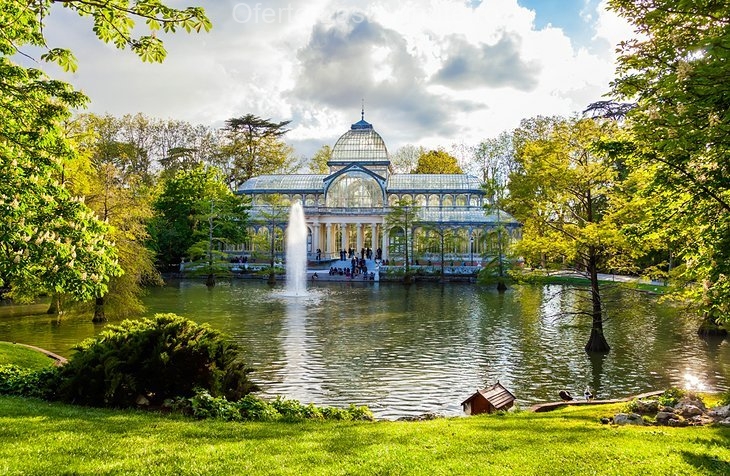 Buen Retiro Park (Parque del Retiro) is an oasis of peace in the heart of Madrid.This lush and beautifully cared park offers an escape from the city's agitation.The park comprises over 140 hectares and is shaded by over 15,000 trees. Increated for the Earli County Count in the seventeenth century, the historical park has an elegant environment, with the wonderful landscapes and the paths bordered by trees.During the reign of Isabella II in the 19th century, the landscape of the park was improved.Parque del Retiro was owned by the Spanish royal family until the 19th century;Since then it has been a public park. There are at the main entrance of Plaza de Independence, visitors reach the pool in the center of the park.From here, the paths lead to the charming in Rosaleda (rose garden), the French formal garden Don Cecilio and the Andalusian style garden by Cecilio Rodríguez.Crystal Palace has a view to a graceful fountain and a reflective pool.Visitors will find other interesting wells in Buen Retiro Park, including Los Galápagos (turtles), El ángel Caído (fallen angel) and Alcachofa (artichoke).Other favorite things to do include taking children to a doll show at the Títeres Theater, walks on picturesque paths bordered by trees and relaxation in the sun or relaxation in one of the park in the park.
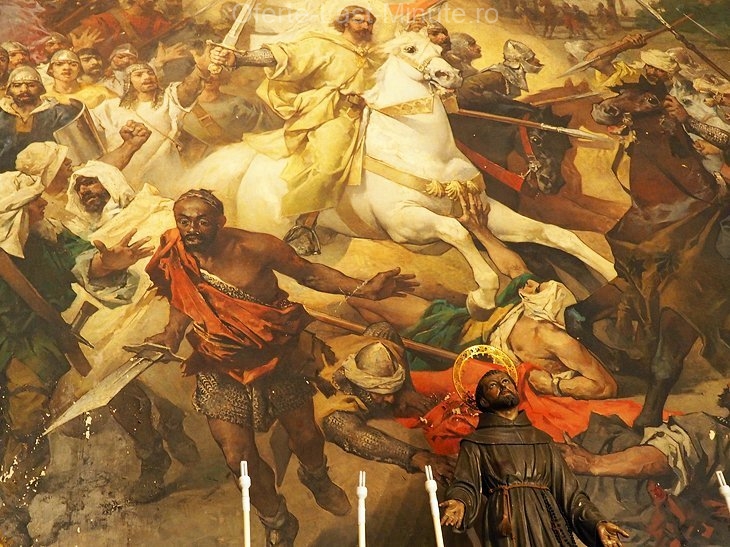 The Basilica San Francisco El Grande was built by Carlos III in 1761 for a Franciscan Fratern.The church was designed by Francisco Cabesas, which modeled the neoclassical architectural plan on the Santa Maria Church in Campitelli in Rome.The construction was completed in 1784 by Francisco Sabatini. In the nineer has a 58 -meter -high inspired dome, which is larger than the Saint Paul Cathedral dome.Magnificent paintings adorn the chapels of the basilica, including masterpieces of the ancient Spanish masters.The church also contains a painting of Saint Bonaventura de Zurbarán.
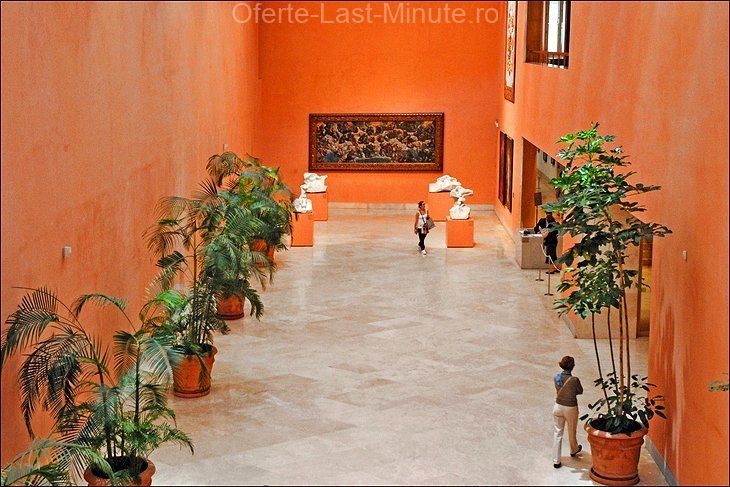 The Thyssen-Bornemisza Museum presents an overview of the European art of the 13th century until the end of the twentieth century.With almost 1,000 paintings exposed, the collection covers the medi religious art, portraits from the Renaissance era and biblical themes, the Baroque period, Rococo, Romanticism, Impressionism, Fauvism, Modern Art and Pop Art. The museum also has an excellent collection of American paintings from the 19th century.Christ and the Samaritan woman Duccio di Buoninsegna, V Enus and Cupid by Peter Paul Rubens, the Good New Knight's News, a landscape of Vittore Carpaccio, Jesus among the doctors of Albrecht Dürer, The See-Saw by Jean-Honoré Fragonard, Dancer in Green by Edward Degas and Les VessenotsVincent van Gogh.
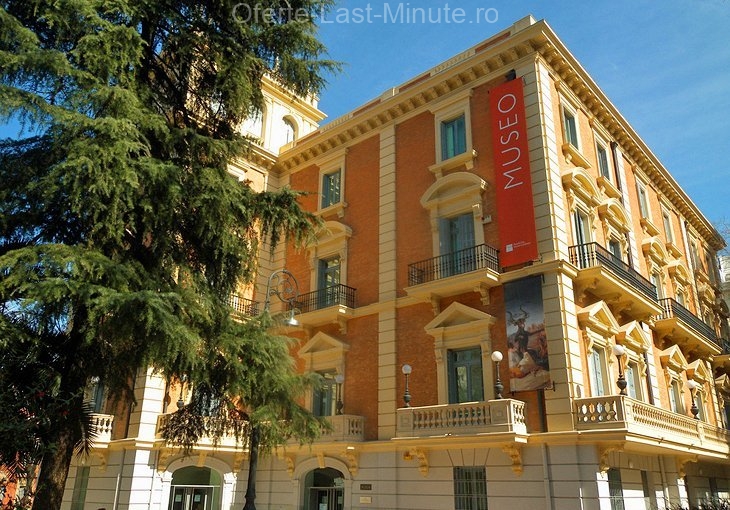 The Lázaro Galiano Museum presents the exceptional private collection of the financier Lázaro Galiano hosted in his mansion, Parque Florido.The museum has an extended collection of approximately 9,000 works of art exhibited in 30 rooms. As far as weapons, coins and medals at jewelry, baroque crystal and tapisari, the collection is extremely diverse.Make sure you see the Spanish paintings from the sixteenth and seventeenth centuries of famous masters, including El Greco, Goya, Velázquez, Zurbarán, Ribera, Peredea and Murillo.Bautista by Hieronymus Bosch, Cabeza de Muchacha de Velázquez, El Salvador teenagers of Giovanni Boltraffio and La Tienda de Luis Paret.
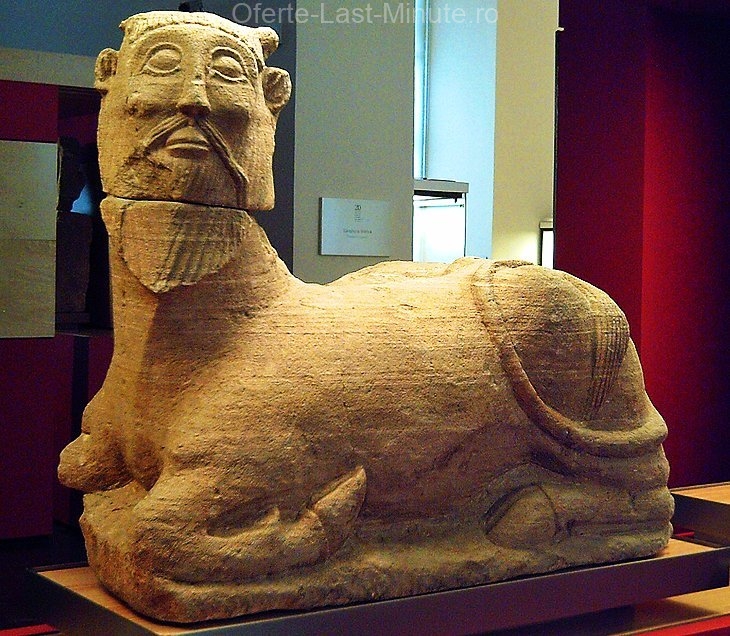 The National Archaeological Museum (Museo Arqueógico Nacional) was founded by Queen Isabella II in 1867 and has a rich collection of artifacts from the prehistoric era until the 19th century.The exhibits present archaeological discoveries, ethnography, decorative arts of antiquity and ancient coins.One of the most valuable goods of the collection is the bust of the lady in Elche.
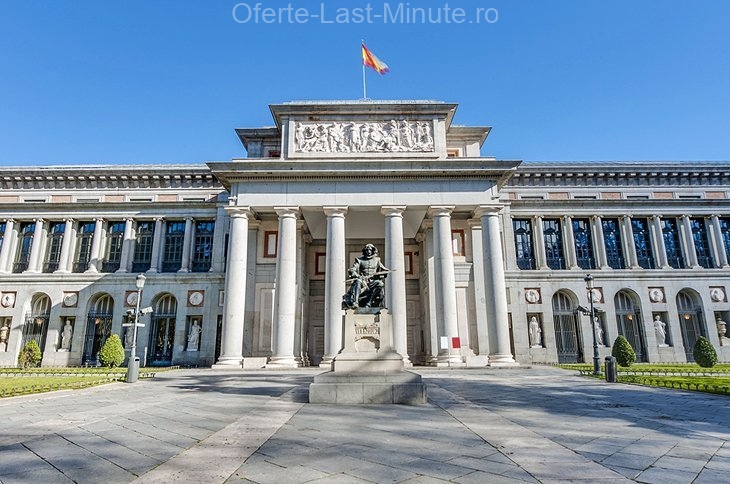 A truly world -class museum, the Prado Museum has a collection of over 8,000 paintings and 700 sculptures.His extended assortments of works of art include many masterpieces, including famous paintings that compete with the most famous works of the Louvre Museum in Paris.Trying to see everything in a single visit can be discouraging, but you may focus on a specific masterpiece itinerary.Prado suggests "routes" (self-guided tours) of specific works.The assortment of painting by Francisco de Goya comprises 140 remarkable works.Also, Meninas is unforgettable, a deion of Felipe IV's Spanish Royal Family, created by Velázquez in 1656. Other mandatory works in the Spanish painting collection include the Good New Greco, Iacob de José de Ribera, 3 May de Goya and the immaculate conception of Murillo.Contemporary building and renovated monastery of the sixteenth century of the San Jerónimo El Real Monastery.These galleries show a remarkable collection of Spanish religious paintings from the seventeenth century.interesting galleries.In the 90 -minute round, your official guide of the museum offers an overview of the museum's imperviable masterpieces, while offering historical context to help you understand art works.
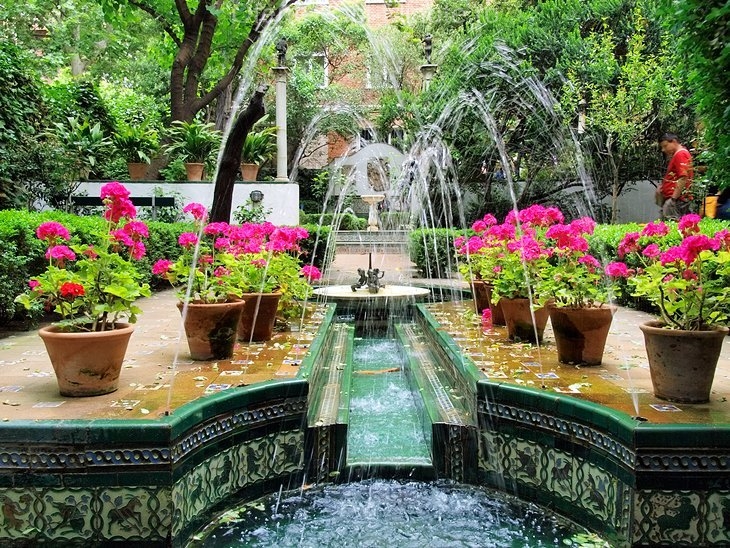 This charming museum is dedicated to Joaquín Sorolla's work, the most famous Spanish impressionist painter.Over 1,200 paintings and drawings by Sorolla are exhibited in the artist's house and studio, who has retained its original decoration.The extended collection includes a wide representation of Sorolla's works. In the same way, visitors should be sure that they will not miss the yard in the museum garden.Designed by Sorolla, this outdoor outer space, shaded by the tree, is adorned with a loud fountain and with decorative tile works in Andalusian style.
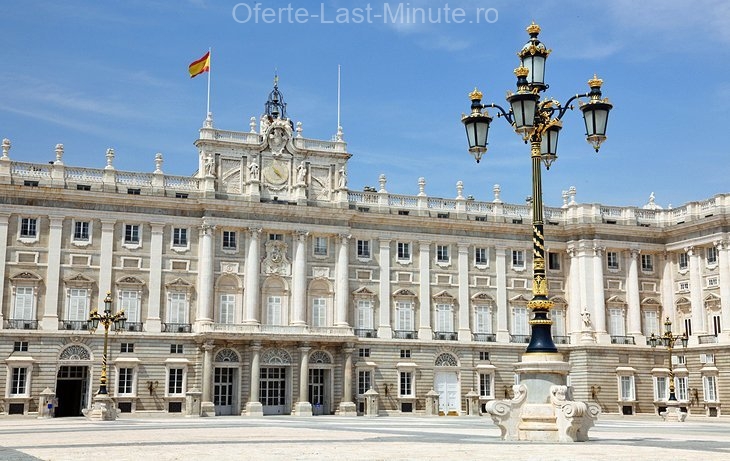 This great palace is the Spanish version of Versailles, a royal court designed to impress.However, unlike Versailles, which is now only a museum, the Royal Palace in Madrid is still the official residence of a monarch (King of Spain) and continues to be used for official state events.The majestic neoclassical facade is made entirely of granite and white neck stone.The ionic columns of the facade and Dorici pillars are based on drawings that the sculptor Bernini initially destined to the Louvre in Paris.The railing has statues of the Spanish kings.Throughout the palace, art masterpieces decorate the walls: paintings by Velázquez, Goya, Rubens, El Greco and Caravaggio and refined Flemish and French tapisari.These rooms are adorned with a refined decor from the era of Enlightenment. In no masterpiece of Rococo style, Salón del Tordo (the throne room) is adorned with frescoes of Tiepolo, including the great monarchy, one of his best works.Still used for state ceremonies, the throne room is dressed in sumptuous red velvet and decorated with valuable tapestries, mirrors, furniture and chandeliers.The weapons and weapons used by the kings of Spain over the centuries are exposed.These delightful historical gardens were created during Phillip II's reign and are arranged in a formal French style, with wells and boulevards.The 20 hectare gardens offer a paradise of tranquility in the center of Madrid.It is a great place for relaxation and picturesque walks.
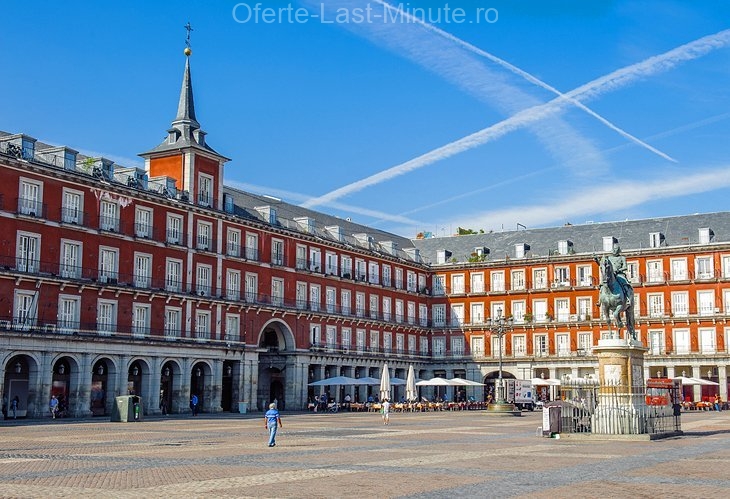 This elegant market of the seventeenth century was built during the reign of Philip III and used as a center of trade and municipal life, as well as the scene of ceremonial events, such as proclaiming a new king and canonization of saints.The market also served as a place for corids, dramatic performances and chivalric tournaments. N nâlaza Mayor took its current appearance after a fire from 1790, when the corners were closed and the nine input arches were built, which binds it to Calle de Toledo, Calle Mayor, Calle Postas and others.important gathering in Madrid.The expansive gravel market is a pedestrian area, surrounded by outdoor cafes and atmospheric restaurants shaded by its arches.In the evening, the market gets a lively ambience and is a popular meeting place for both tourists and Madrileños
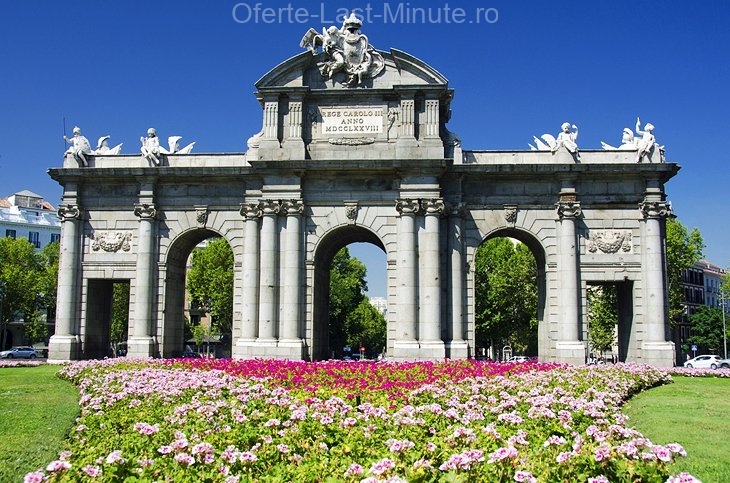 This great neoclassical Arc was commanded by King Carlos III to celebrate the arrival of the monarchs in the capital of Spain.The monument was designed by Francesco Sabatini and built between 1769 and 1778. Napro 30 meters high, the elegant granite entrance gate makes a great impression.The facade is adorned with sculptures, capitals and decorative reliefs. In the monument, at 54 alkalum calle, is the most elegant pastry shop in Madrid, Pastelería, which offers refined cakes, cakes, pastries, chocolate and hot chocolate candies.
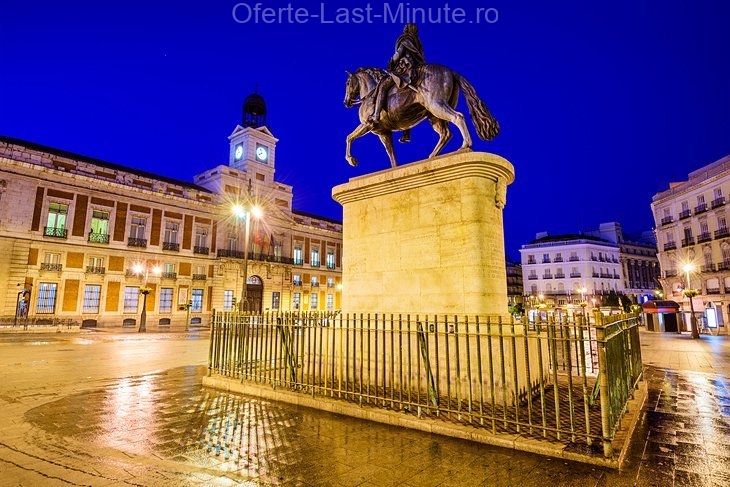 Puerta del Sol was named after the emblem of the sun on the old gate of the city, which was previously here.This spacious market of the city is aligned with the rising sun.In addition to the fact that it is a public transport knot (with several bus stations and subway entries), Puerta del Sol is also the "zero kilometer" point from which all the distances on the Spanish national road network are measured.Republic here. To this day, the market is a place to spend time and enjoy life.Locked with shops and cafes, Puerta del Sol is still one of the most animated markets in Madrid.Also nearby is in Violeta, an old -fashioned confectionery shop that offers the specialty of Madrid of violet candy
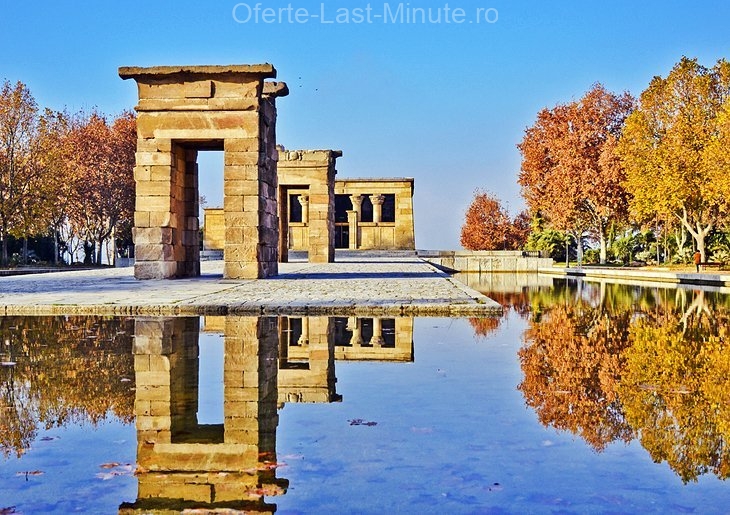 In La Montaña Park (near Plaza de España), visitors can discover an ancient Egyptian temple.A gift from Egypt, satisfied for the help of Spain in saving the temples Abu Simbel during the construction of the Aswan dam, the Debod temple was brought to Madrid in 1968. N The temple was built for King Adikhalaman in the second century BC.and was dedicated to the Egyptian god and goddess, Amon and Isis.The original well -preserved original decorations are found inside the temple, which is rare for an archaeological site.

