

located in the north of the Aegean, Chios is the fifth island in Greece.His nickname “Mastic Island” received it from the exports of the mastic gum island.But, of course, the mastic is not the only thing you could see here.His history dates from the Neolithic era, the occupation of the Turks during the Greek revolution, and the adventures of the poor pirates are some of the main attractions you can learn by visiting this island.It is also believed that Chios is Homer’s birthplace, the author of the book Iliada and Odyssey.
The best months for good weather in Chios are April, May, June, July, August, September, October and November
On average the hottest months are July and August
The coldest months are January and February
The best months for swimming are June, July, August, September and October
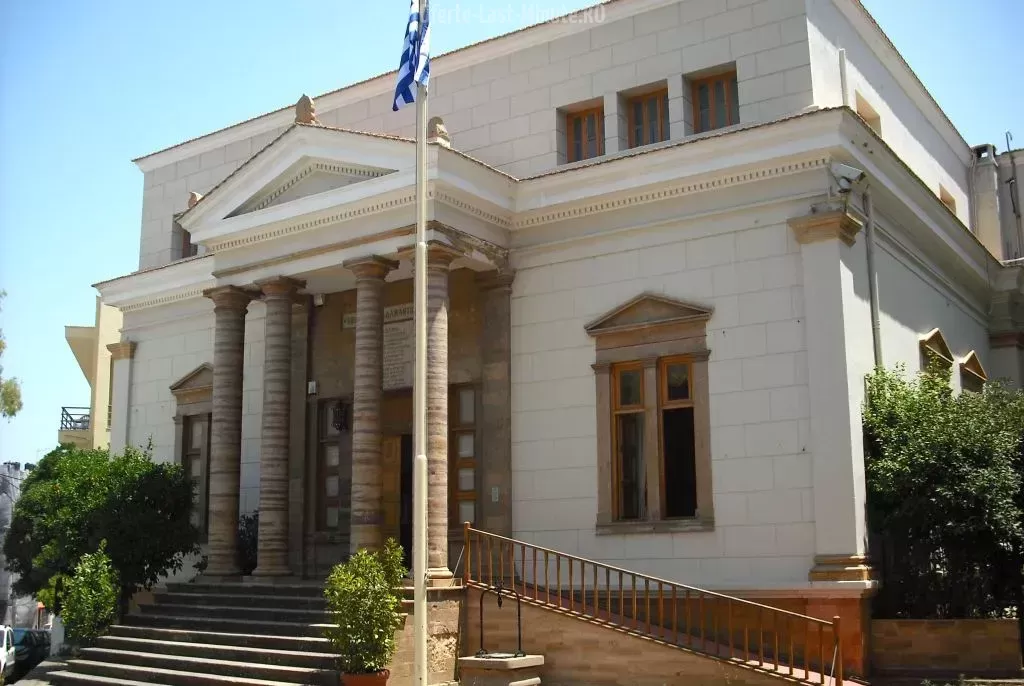 The Korais Library in Chios is one of the largest in Greece, with a significant collection of over 130,000 volumes.It was established in 1792, as a department of the Chian School.On the upper floor, you can visit the Philip Argenti Museum, which exhibits a nineteenth-century birth chair and also shepherds, embroidery, traditional costumes and portraits.
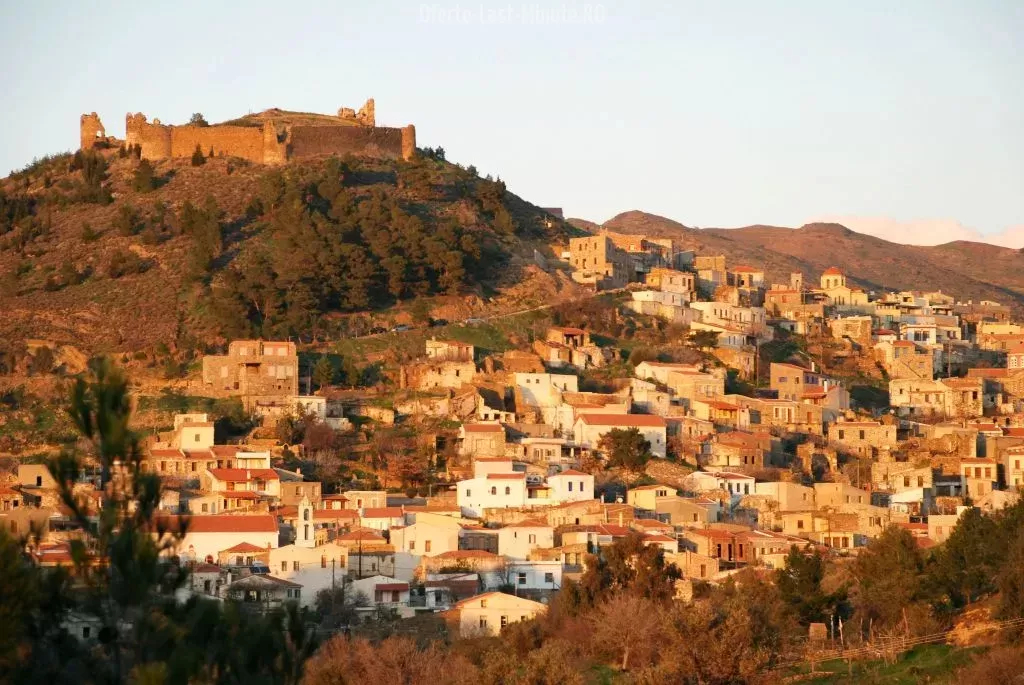 The castle was built in the Byzantine period, but in the middle of the fifteenth century, it is believed to have been restored by Genoese.
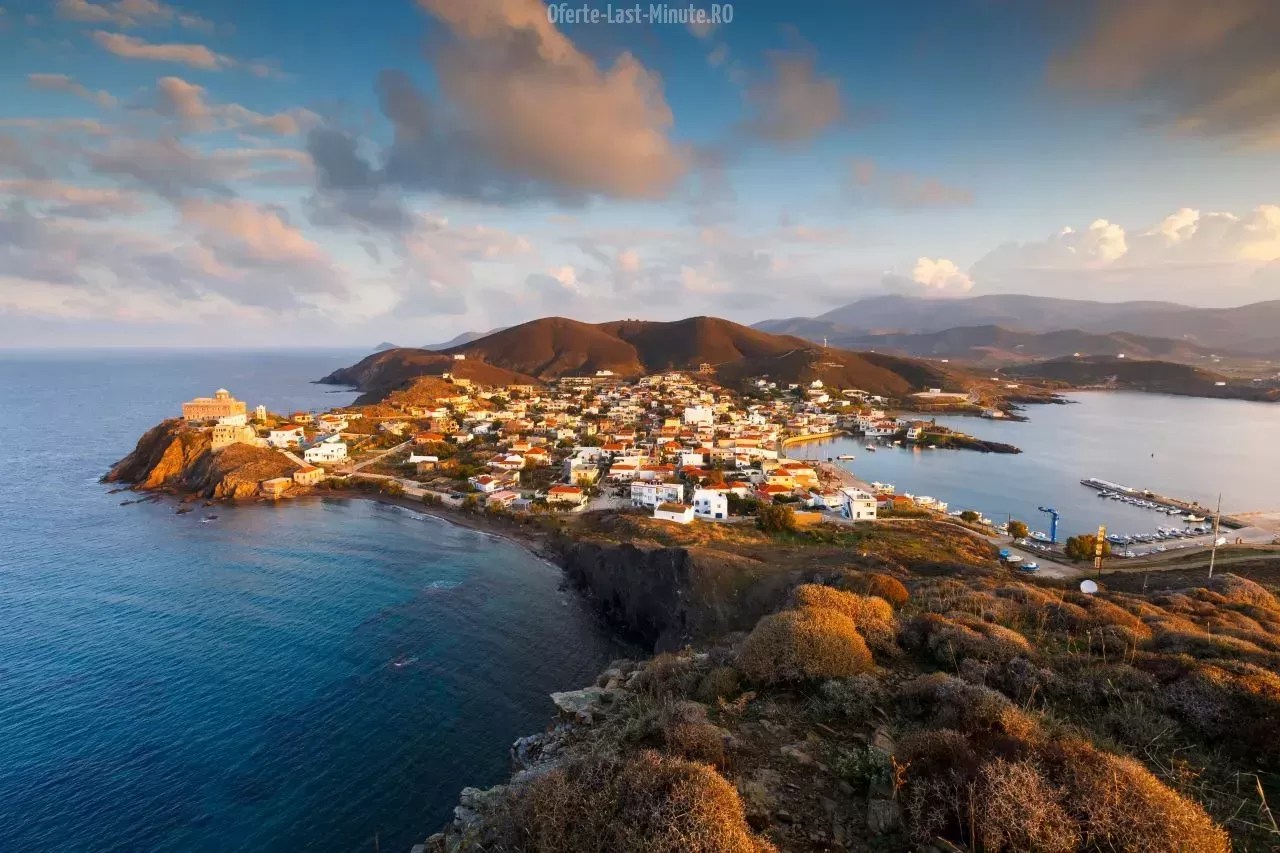 Psara is a small island with a rich historical past.Today, this is the ideal place for total isolation and intimacy.It has beautiful beaches and a traditional village, with a few rooms for rent.
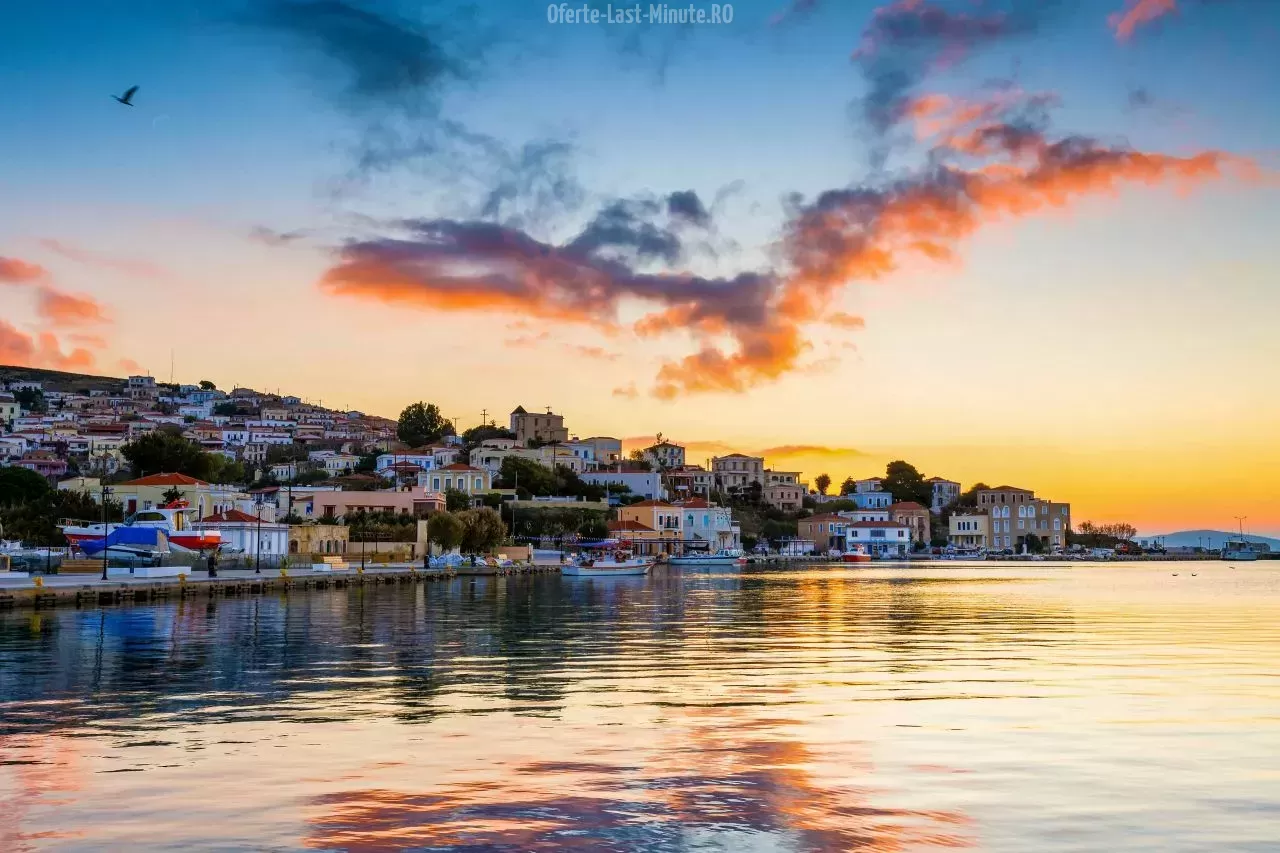 This tiny island with a rich natural history is an excellent destination for daily Chios trips.It has traditional architecture, wonderful beaches and a calm environment.From the port of Chios, boats are leaving for Oinousses daily.
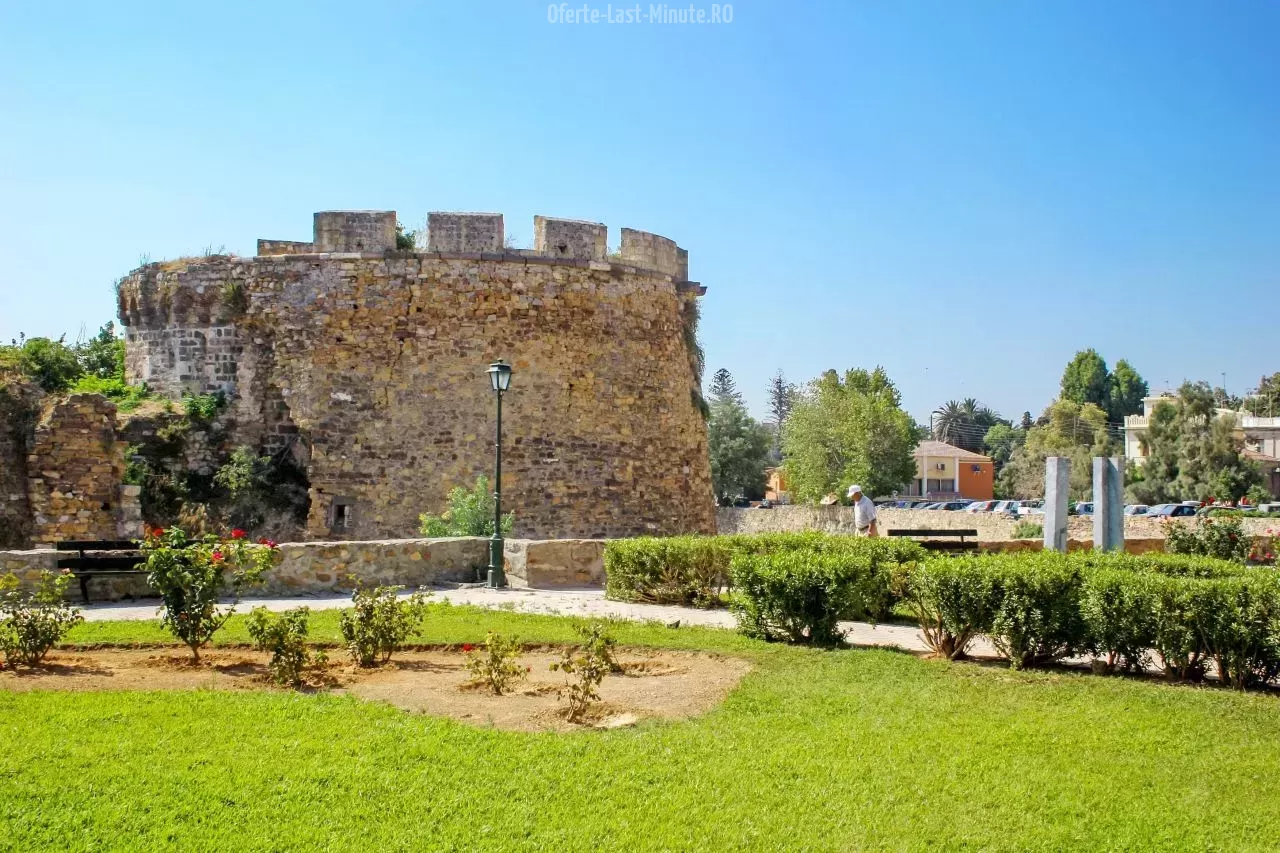 His construction began in the tenth century by the Byzantines and went through some reconstructions by the Venetians in the sixteenth century.Today is an impressive and powerful building that reminds of the historical importance of Chios.
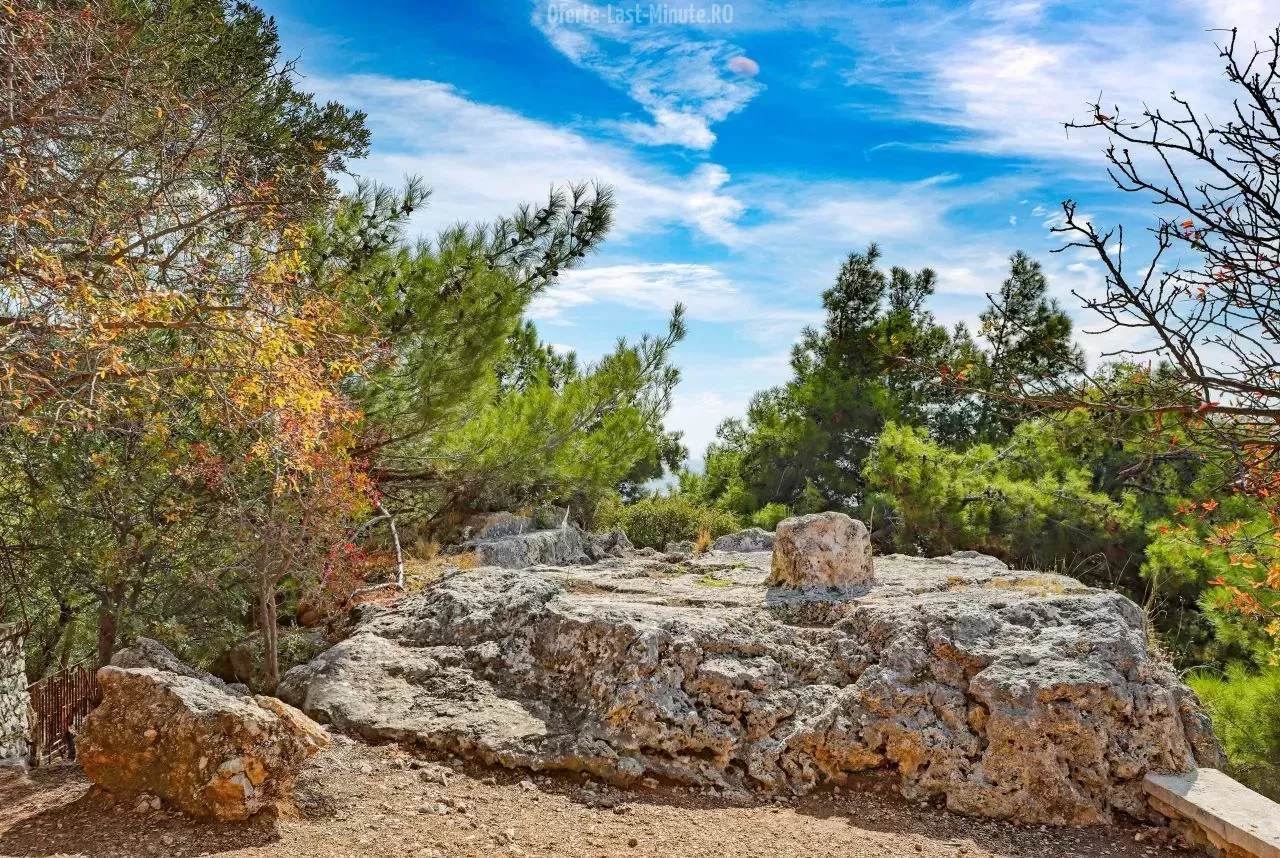 Piatra Homerus or Daskalopetra is a historical place in the Vrontados area.According to tradition, this is actually the stone on which Homer stood and told his poems.
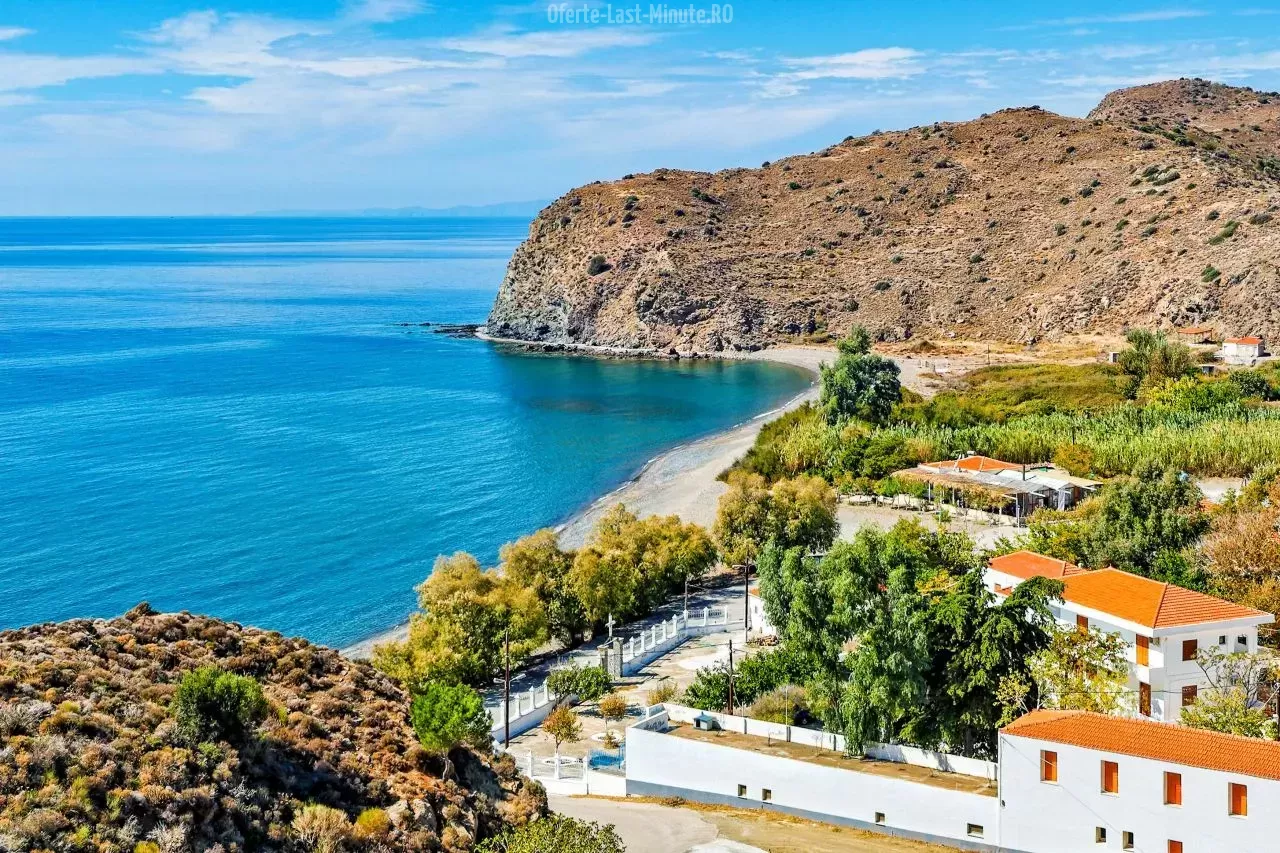 The Agia Markella Monastery is built on the place where the saint died for her faith.She is the protector of the island, and the monastery celebrates on July 22.
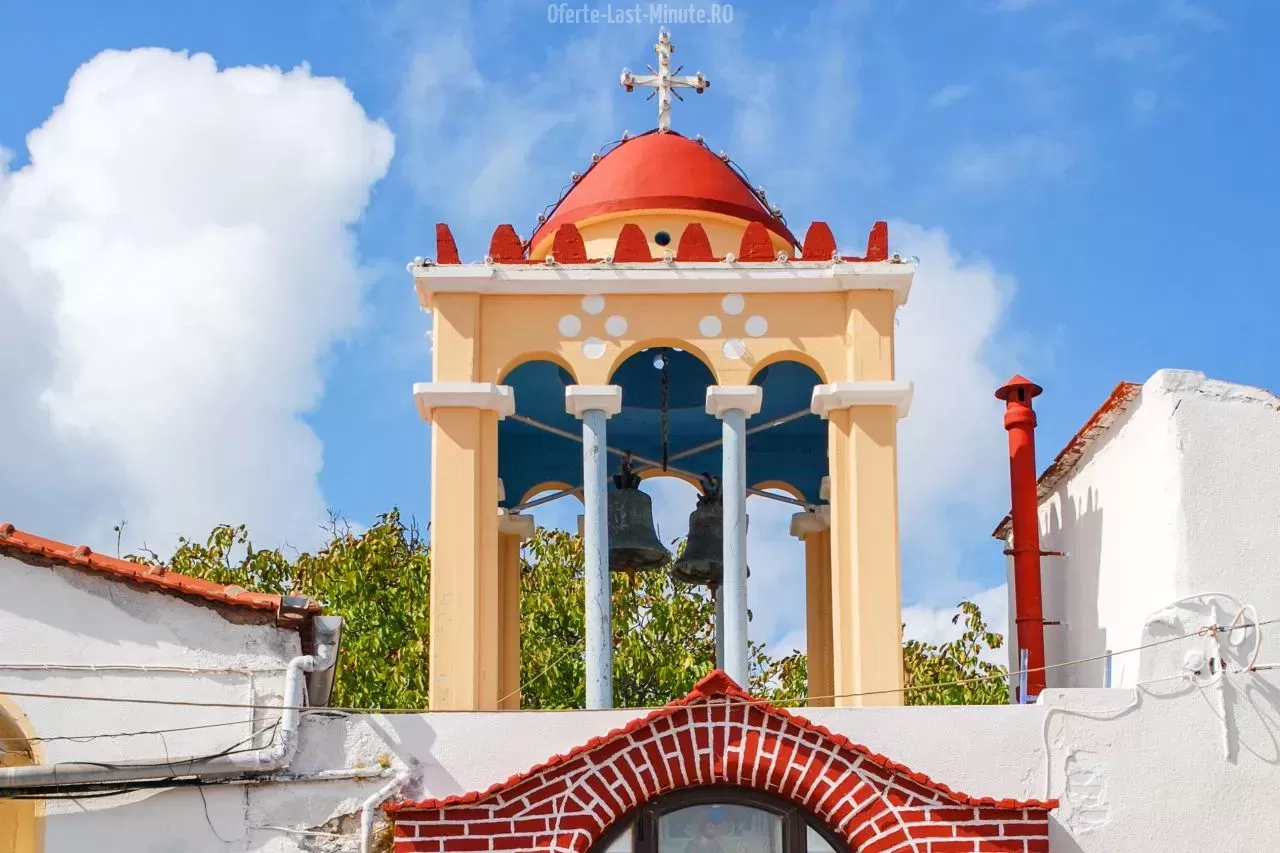 The Agios Markos Monastery is located near Karies, just 6 km from Chios.His tall location offers the best view of the surrounding landscape.
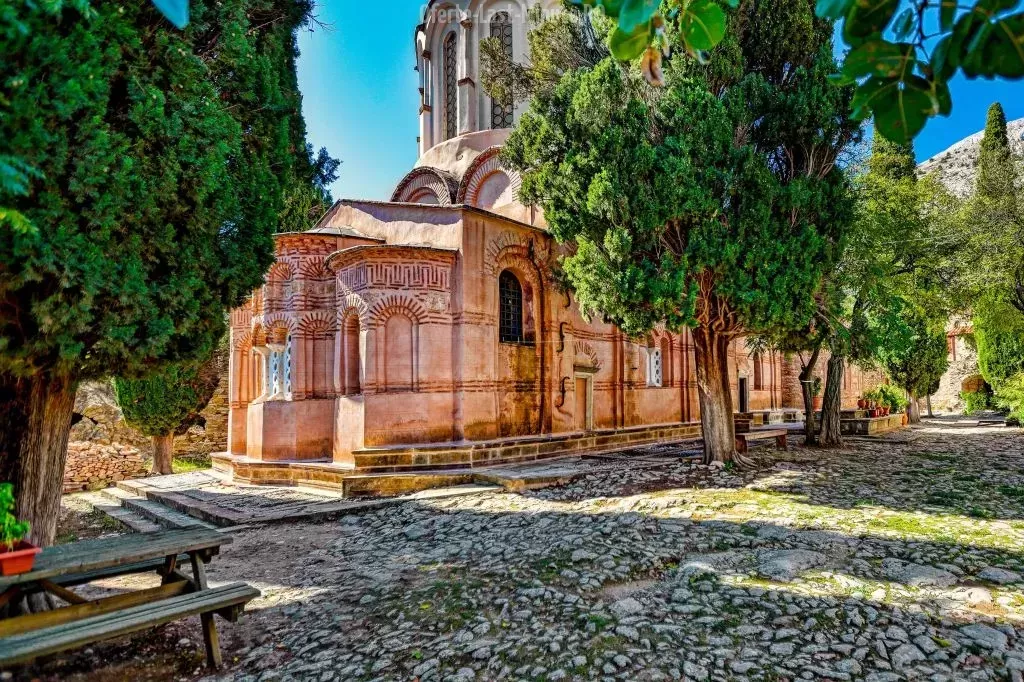 Nea Moni Monastery, between the villages of Karyes and Avgonyma, is one of the oldest monasteries in Greece.It was built in the fifteenth century and recently was declared a monument of world heritage by UNESCO.
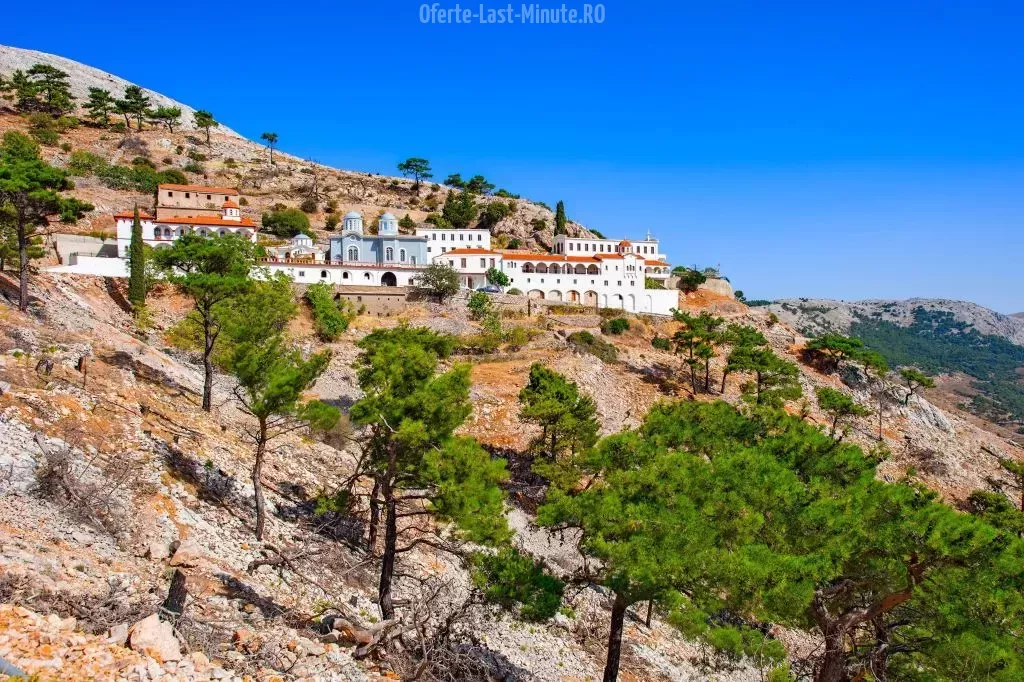 This monastery is dedicated to the Holy Cross and the three monks who founded the Nea Moni Monastery.It is located between Avgonyma and Karyes.
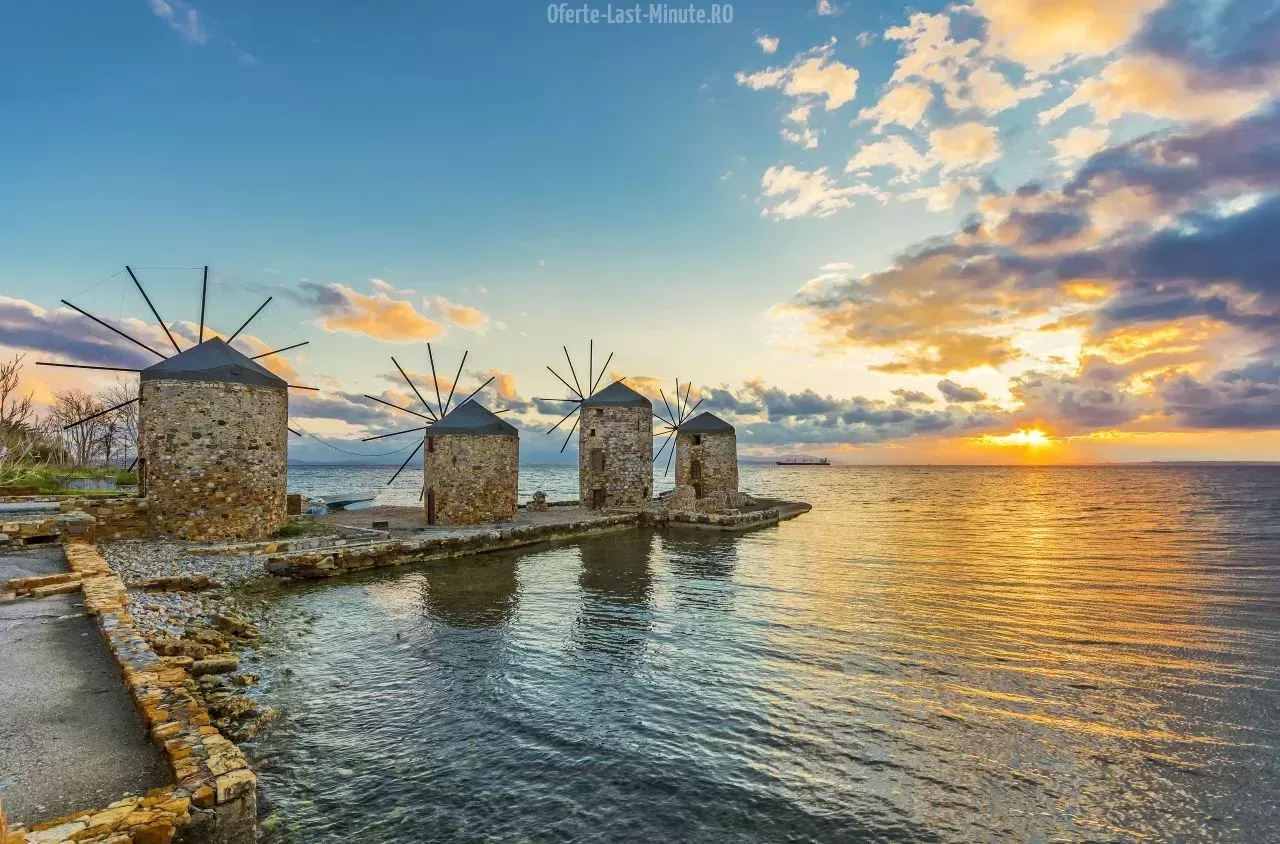 There are four traditional windmills in Chios, 1.5 km north of Chios, on the road to Vrontados.
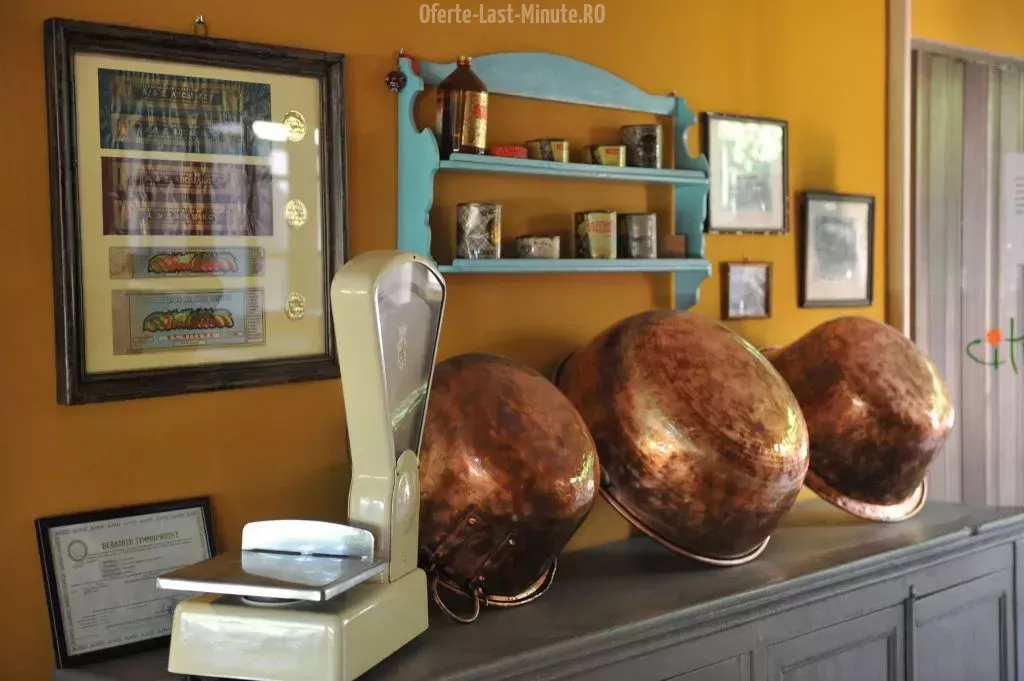 The Citrus Museum presents documents and historical elements of local citrus production and fruits.It also constitutes space for exhibitions.
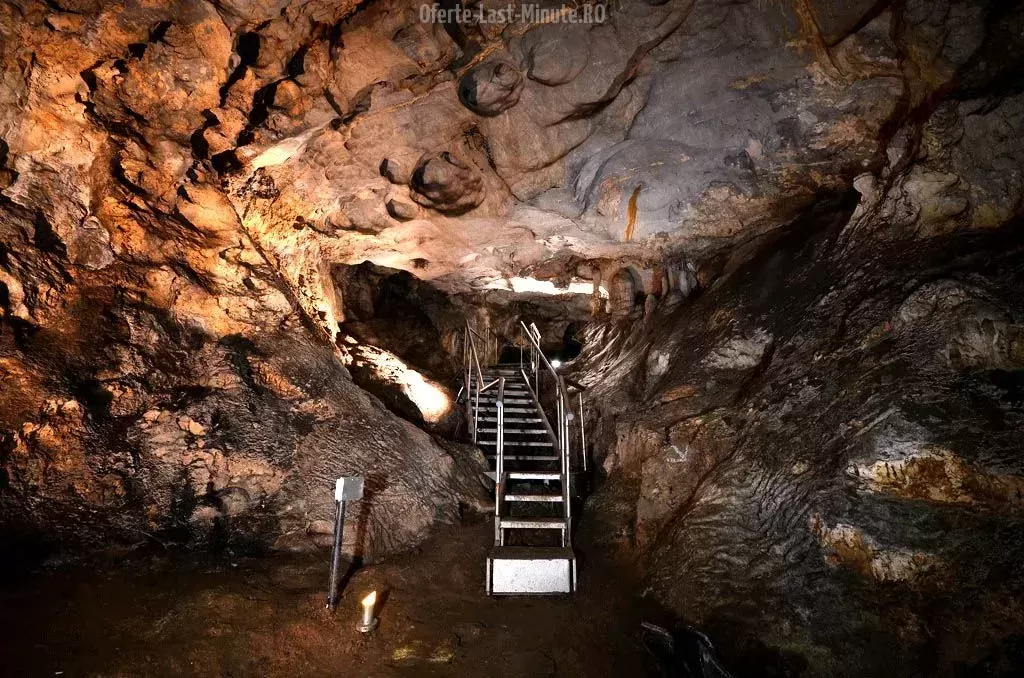 It is the largest and most impressive Chios cave, with amazing formations.
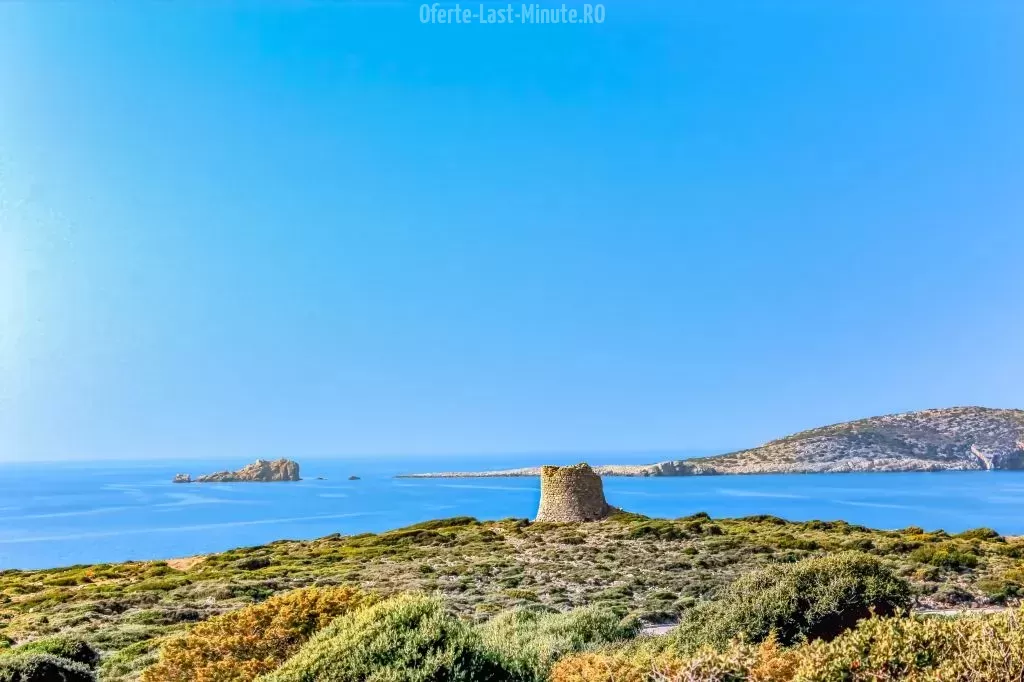 Chios wake towers are medi cylindrical towers built on the heads and banks of the island in order to monitor the sea to announce the inhabitants in the event of an enemy attack.
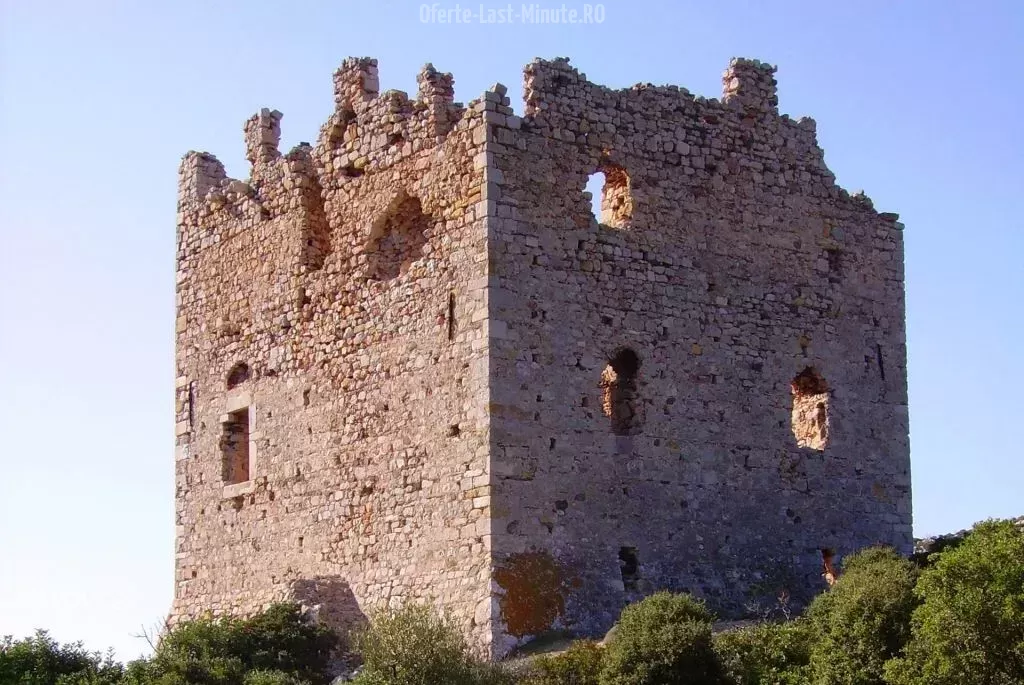 The tower was built during the general fortification of the island by the Genoese at the beginning of the fifteenth century (1410-1415).This building on three levels, built of light gray limestone, is in ruin, its four walls being preserved, except for the southern wall.

