

Dortmund, the largest city in Westphalia, is on the east edge of the Ruhr region, in the Hellweg fertile area.The city has long been the center of charcoal and steel industries in Germany, a heritage that is celebrated in a variety of excellent museums and attractions.
About
Best period
The best months for good weather in Dortmund are May, June, July, August and September
January is the coldest month of the year
Tourist Attractions
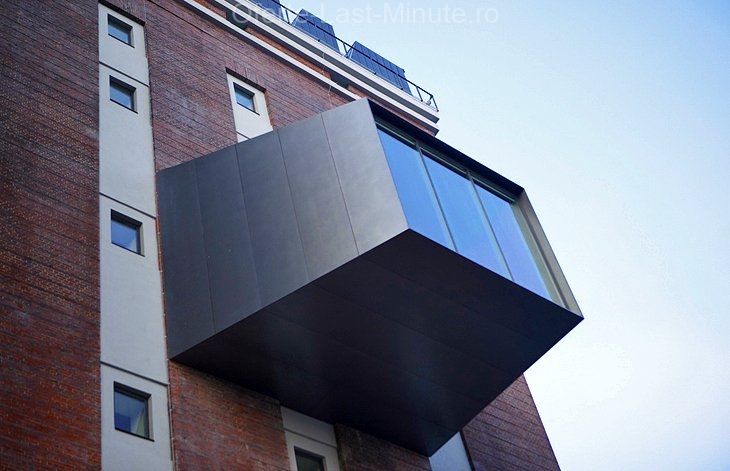 In addition to his industrial past, Dortmund also has a number of important attractions, focusing on the rich cultural heritage.Probably the most important - certainly the most visible - is Dortmund U, a former old factory now transformed into an artistic and creative activity center.Important things include the activity of local and regional artists, along with film and photographers.The building is also at home the Ostwall museum, a fine 20th century collection, art objects, sculptures and graphic art, as well as works by the expressionist group Die Brücke.Another important center for art is a depot.In a former tram workshop, Depot houses over 40 creative companies, offering a varied program of cultural activities and events, from exhibitions to movies, markets and fairs, as well as theatrical and workshops.
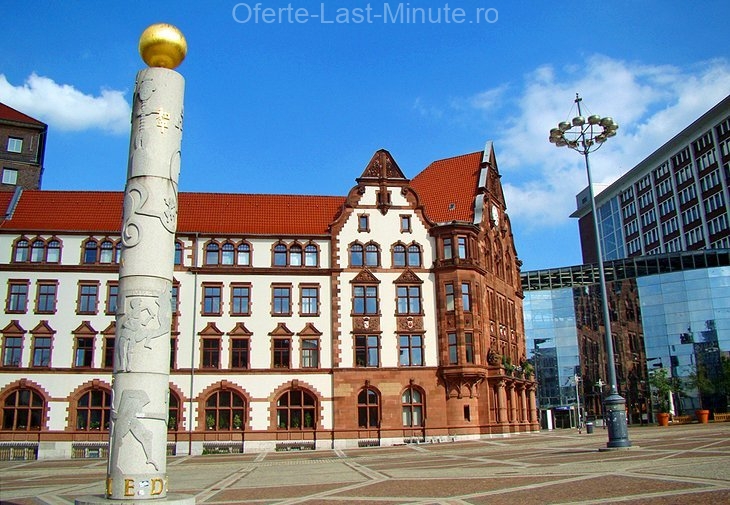 The central feature of the old city of Dortmund is Alter Markt, the old market, a large area for pedestrians, which can follow their roots back in the 12th century, when the city traders and traders will display their goods here.It remains a popular commercial area so far and houses numerous shops, boutiques and galleries, as well as cafes and restaurants.The historical points of the market are the old fountain, added in 1901 as an animal drinking basket, and the old Hall civic or Along Stadthaus, a neo-Renaissance building built in 1899. A notable feature of the facade of the building is the great eagle representing the city of Dortmund.Another old building, nearby, which is worth seeing, is the Berswordt Hall, the City Hall.
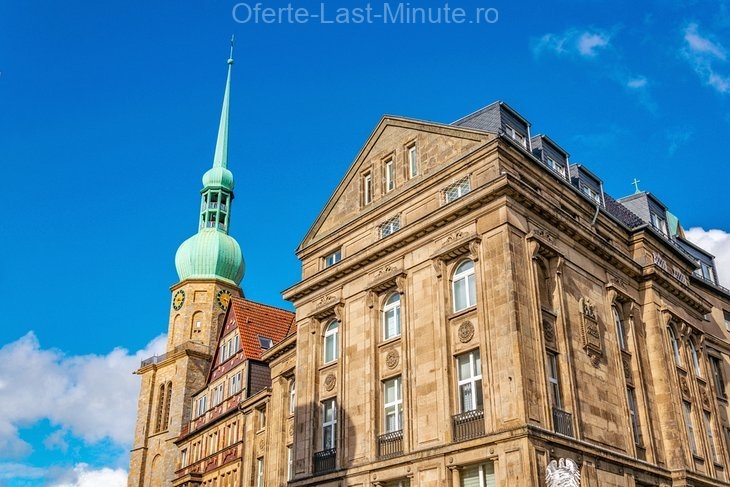 The dominant domain of the city of Dortmund is the church of St. Reinold (Reinoldikirche), the 104 -meter high tower visible around the Mile.Beginning in the 13th century and unfinished until 1454, the church is named after the Holy Patron of Dortmund, Reinold.It is above the market market, where the Helweg historical route passed through Dortmund.
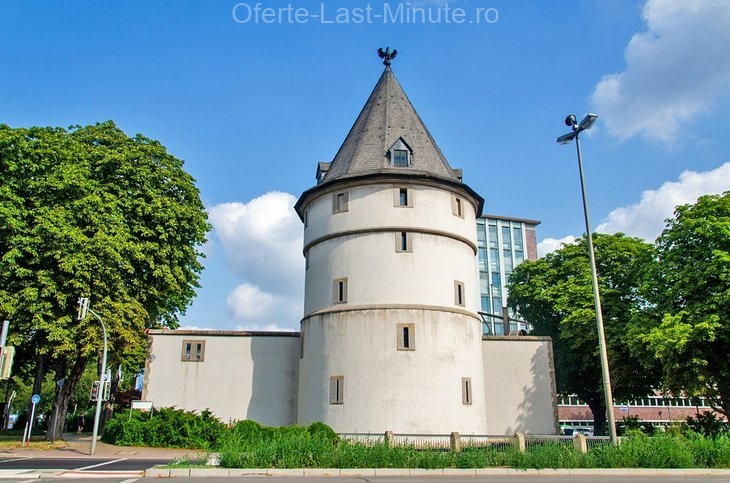 Dortmund has some tourist attractions and things to do that are specially designed for families.The whole family will enjoy the Adlerturm Museum, in the Eagle Tower in the fourteenth century.It focuses on the life of the Middle Ages, combining numerous artifacts, weapons and medi models in the six floors.With the hand of the Munus Mioo Mio in Westfalenpark, it is suitable for children of all ages, with a huge globe that welcomes visitors in a variety of different languages, fascinations of musical instruments, energy generating and toys from recycled materials.Another friendly draw for children is the Wicked Giraffe Museum, a strange museum, dedicated to the highest animal in the world.These include over 10,000 wooden giraffes, ceramics and canvas.
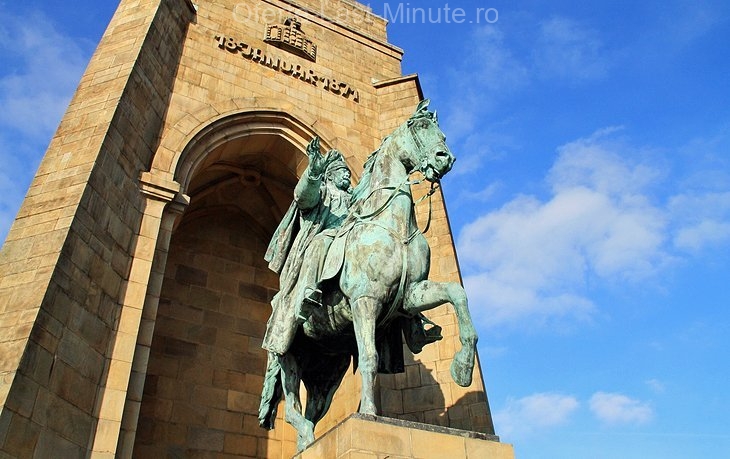 About 12 kilometers south of Dortmund, in a wooded winery above the Ruhr, Hohensyburg or Syburg valley is an old castle complex dating from the eighth century.The ruins of the castle seen today date around 1100 and include two large rooms, the former living neighborhoods and the remains of the old wall.A more recent plus is the war memorial, added in 1930 to commemorate the fallen of the First World War.A popular hiking destination, the hill also has a number of other attractions, including Vinkeurm, a tower with a height of 26 meters and panoramic views Kaiser-Wilhelm-Memorial, built in 1902. Under Crag is Hengsteysee, an artificial lake formed by the construction of a dam in 1928.
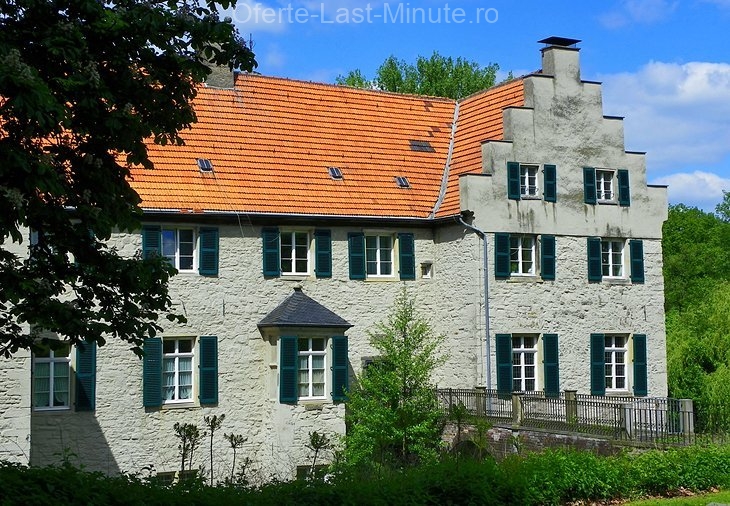 Haus Dellwig, a soft-old building, mentioned for the first time in the 12th century cities, is now hosting a variety of exhibits related to the rich history of Dortmund.The main features include completely renovated rooms, such as different kitchen and living spaces, as well as a variety of workshops, such as a shoe store and a bakery.You can see several artifacts in the history of Dortmund at the Museum of Art and Culture, with old furniture exhibitions, gold coins, medi paintings and from the 19th century, as well as examples of folk art from the 16th and 16th centuries.The Museum of Natural History is remarkable for its collections of fossil and minerals.
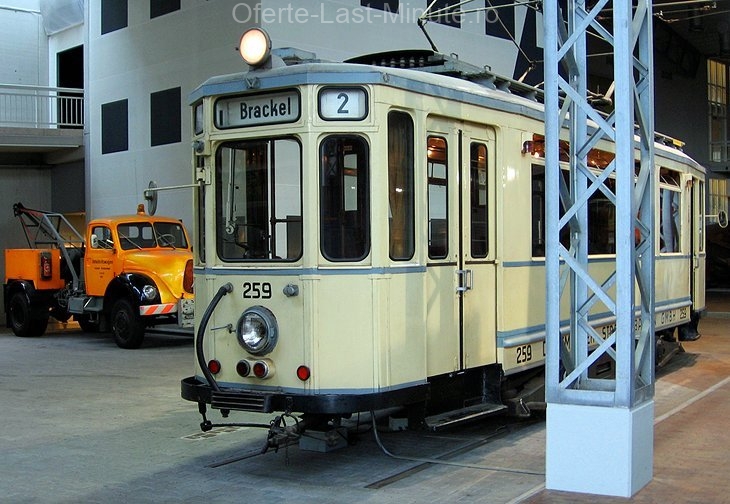 If you like vintage vehicles, do not miss the excellent collection of old trams at the Dortmund Local Transport Museum, hosted at the Mooskamp station.The oldest of the trams included in these fascinations of the city transit system dates from the early 1900s. From Dortmund, these old trams have gone deep into the Rhur Valley, transporting workers in the region mines, Cocs factories and steel factories.
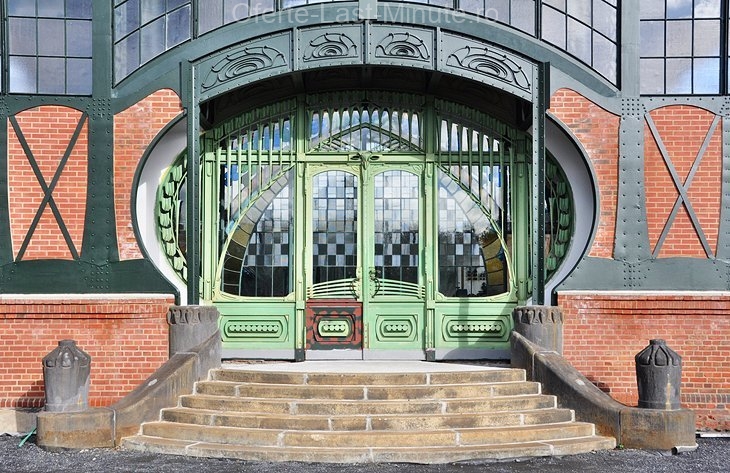 One of the eight former industrial sites now included under the Umbrella Westphalian Industrial Museum, Zollern Colliery is an unused coal mine, famous for its amazing architecture, especially for the facades in the main building.The best of these is the car room, built in 1904, with one of the most amazing Art Nouveau entries in Germany.Together with its high steel structures, it highlights the exhibits that detail the conditions that workers face, as well as numerous artifacts and cars (English guided tours).
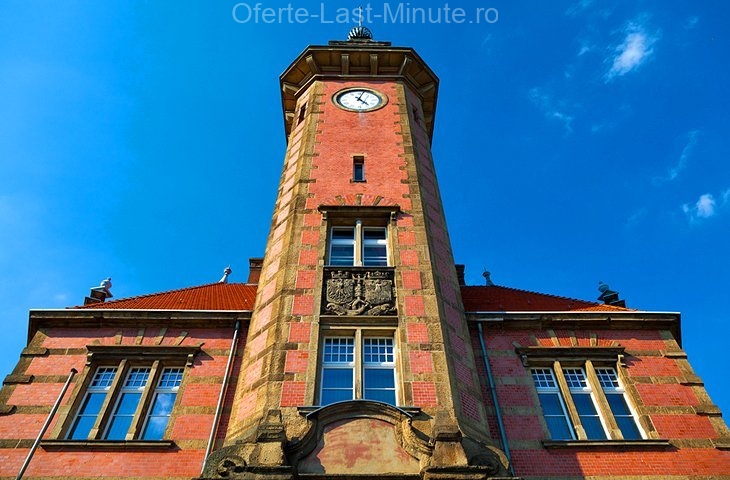 Dortmund, on the Emscher river and near the Ruhr river, is based on the waterways for a long time to transport the goods produced by its many industries.Dortmund also marks the beginning of the Dortmund-Ems channel, a 269-kilometer route that was opened in 1899 to help solve the increasing production capacities of the region.Today, a series of old buildings from the surviving channel era, especially the old building of the port authority, which hosts an excellent museum representing the history of the port.These include a large port model, a replica of the bridge of a ship and collections of maps and artifacts regarding the rich maritime history of the region.
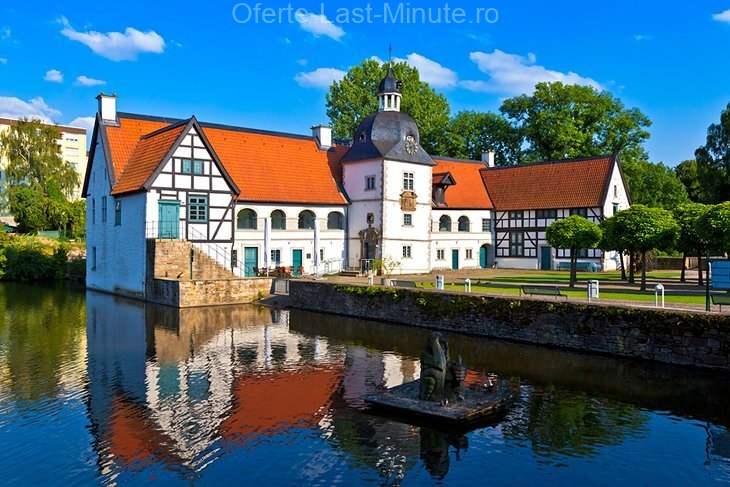 A remarkable example of Renaissance architecture, Wasserschloss Haus Rodenberg is surrounded on three sides through a ditch and has a view to a lake in the center of a park.The first records are out of 1290 and it is known that they were rebuilt after 1422. In the late 1600s, it was transformed into the Baroque water castle you see today.The lake and the parks are popular during the summer, and the castle houses Märchenbühne, a puppet theater for children and adults.It is near the Aplerbeck U-Bahn station.
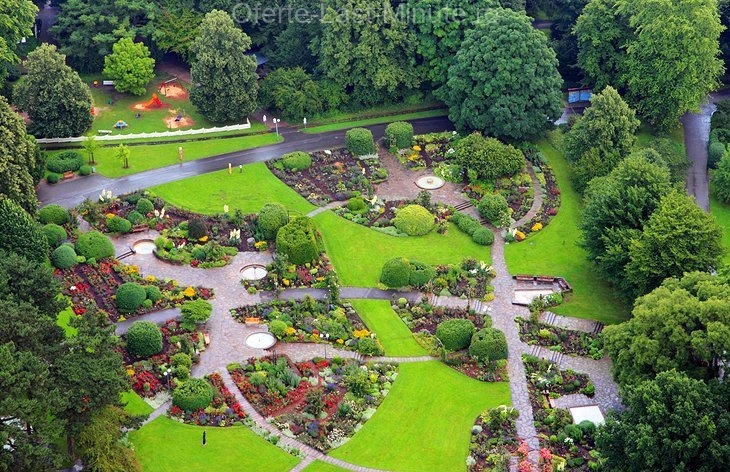 With an area of 175 acres, Westfalenpark of Dortmund is one of the largest and most popular green spaces in the city.The park hosts a series of attractions, including the height of 212 meters the television tower (Fernsehturm), affective to the locals as Florian.Its rotary restaurant, at 138 meters, has special views on the city.German Rosarium is a superb show of over 2,600 varieties of roses that can be explored along a pleasant walking path.Westfalenpark is also the place where you will find the Massive Fair Center in Dortmund, the ice stadium with skating skates and skating skates, and Westfalestadion, the largest football stadium in Europe and at home at Borussia Dortmund.Another nearby park is Rombergpark, at home in the city of Botanical Gardens and the Dortmund Zoological Garden.

