
About
Danes are ranked among the happiest people in the world.In Copenhagen and the beautiful surrounding region, you will find out why.The lively capital combines royal history, modern architecture and a lot of cultures with a sustainable life and a appetizing restaurant scene.
Best period
The best months for good weather in Copenhagen are June, July, August and September, and February is the coldest month of the year.
The best months for swimming are July and August
Tourist Attractions
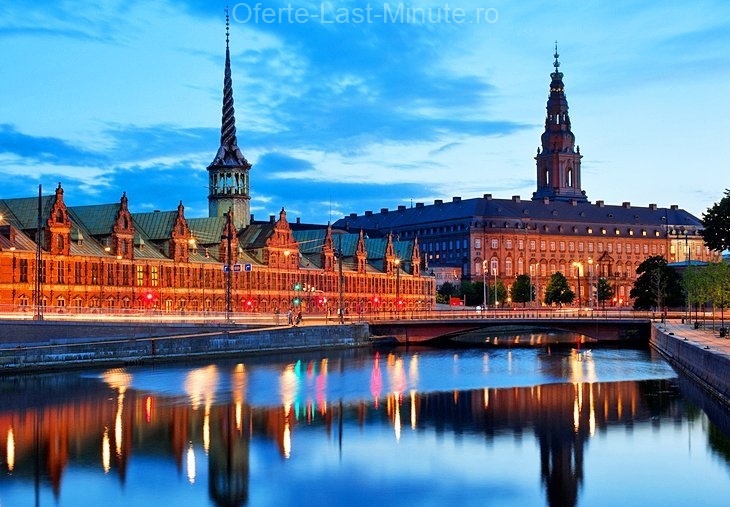 On the small island of Slotsholmen is the seat of the Danish government and an attraction that should be in the first place on the agenda of any visitor.Christiansborg is proud of over 800 years of history and today, the Palace houses the Parliament, the Office of the Prime Minister and the Supreme Court.In addition, several parts are still used by the Royal House, although, fortunately, many are open to the public.Occupying the place where Bishop Absalon built the oldest fortifications of the city in 1167, the ruins of the Episcopal Castle and the Medi Fortress were discovered when the current palace was under construction.Now they can be seen by visitors.
 Less than a kilometer and a half of Rosenborg in the Frederiksstaden neighborhood, you will find Rosenborg's sister palace, Amalienborg, along with his serene gardens on the water's edge.The four market -oriented palaces were initially built as houses for nobility, but were taken over by the royal family after a fire in Christiansborg in 1794. The palace takes its name from Queen Sophie Amalie, who had a sumptuous summer refuge on that place., which burned in 1689. The area was designed to be a model society with the king as a focal point and the aristocracy (the four palaces) that surround it.Today, Queen Margrethe II and her family occupy the upper story of the Christian Palace IX and the Moltkeees Palace used for official purposes.The soldiers of the Royal Guard, with bear skin and blue uniforms (on festive, red, white and blue) are a unique symbol of the city.
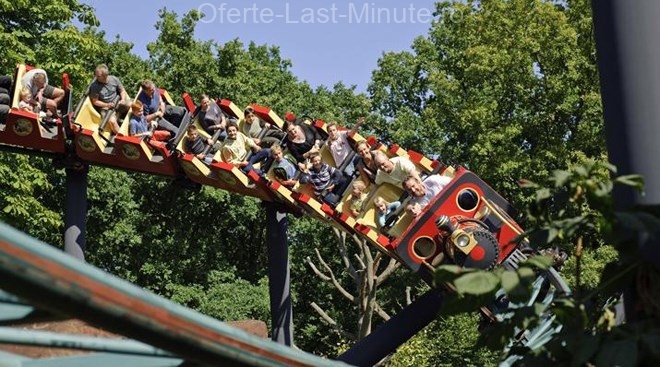 About 20 minutes north of Copenhagen, the Bakken amusement park is a popular version of Tivoli, with numerous restaurants, cafes and fun things - especially for younger children.Believe it or not, this was a leisure facility in 1583. There are no less than six russe mountain and more than 30 different walks, including a ghost train.The surrounding forests and parks are particularly pleasant and there are excellent train and bus links in the city center for those who do not drive.Nearby you will find Klampenborg, with prestigious villas and an excellent bath.
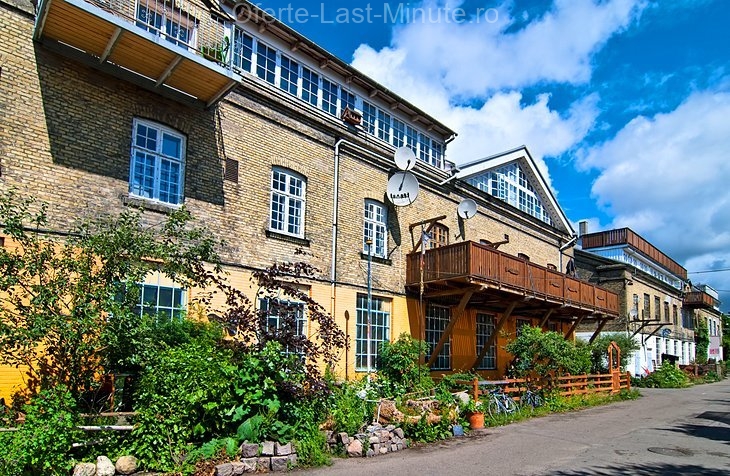 Starting as a hippy settlement more than 40 years ago, this unique and controversial area was first designated as social experiment and is now held by residents.Christiania is one of the most beloved tourist attractions in Denmark and, every year, this "free city" attracts up to one million visitors.Of course, it is possible not to be to the taste of everyone, however, it is a functional alternative society, a place where many accepted norms simply do not apply, and people live according to their own rules.Cars are forbidden, bicycles are the main mode of transport, and horses circulate freely.The attraction points are the handmade houses and buildings and the big lake in which the children sprinkle with each other in hot summer days.Small stores and cafes use a special currency Christiania.
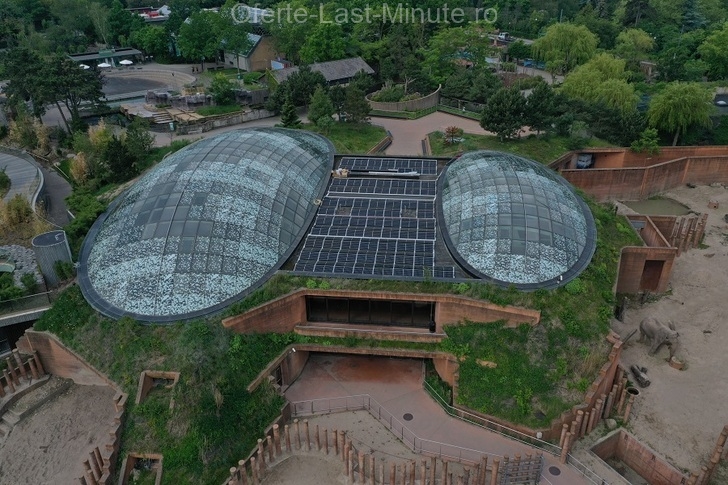 West of Copenhagen, a little more than three kilometers from the city center, is the zoo (Zoologisk Have), founded in 1859 and one of the oldest and largest zoo in Europe.The enclosures imitate the natural environment of animals as close as possible.Here you can see polar bears, seals, lei and other fed animals.At the entrance, there is an observation tower.The favorite exhibits are the lake of birds with berries and pelicans, the reptile house, the monkeys' house and the lion's bargain, among others.A special interest is the enclosure for elephants designed by Norman-Foster.
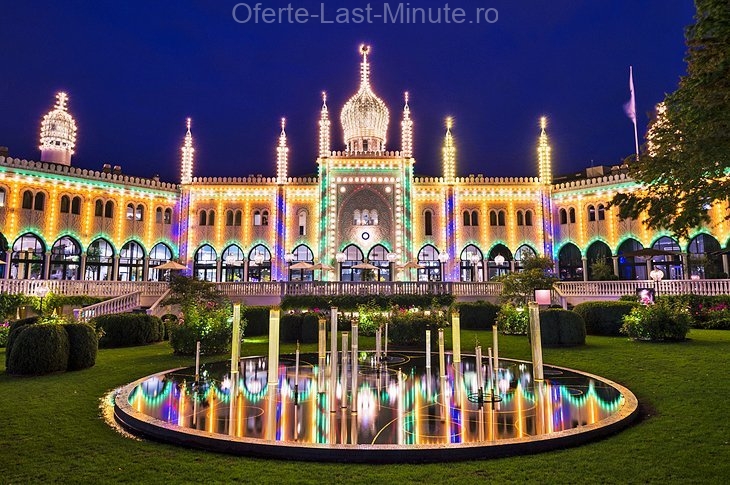 Walking from the City Hall Square and crossing the HC Andersens boulevard brings you the inspiration behind Disney theme parks, the famous fun park and leisure gardens dating from 1843 (the main Vesterbrogade entrance).Here you will find more than 20 attractions, including a roller coaster;roundabouts;mirrors;pantomime theaters, dolls and outdoors;a multitude of restaurants and cafes;flower gardens;And a Maur -style concert hall, which is particularly pleasant when it is illuminated at night.The park is famous worldwide and appears in many movies.Indeed, some might say that it is the most famous attraction in Copenhagen.For Christmas, Tivoli becomes a country of extravagant wonders.
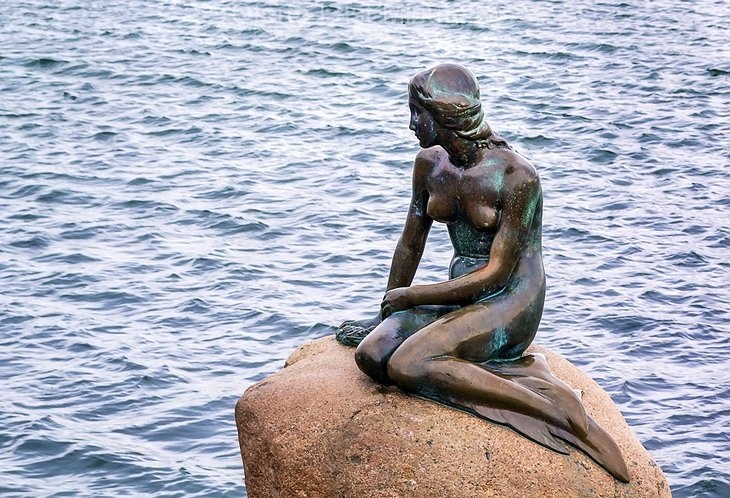 Let us recognize: you cannot visit the Danish capital without seeing the small mermaid, so go along the Nyhavn to Kastellet (less than two kilometers) and admire the iconic statue and its surroundings.Kastellet is the former Frederirikshavn fortress, whose older parts date from 1625. The fortress buildings are well maintained and worth exploring.The small mermaid (Den Lille Havfrue), which you will see from the shore, is the official emblem of Copenhagen.The bronze sculpture, created by Edvard Eriksen in 1913, is based on a theme of one of the fairy tales of Hans Christian Andersen, who tells the story of a siren that once came out of the sea because he fell in love with a prince.Unfortunately, because the prince did not reciprocised, she was forced to leave the human world and return to the sea.
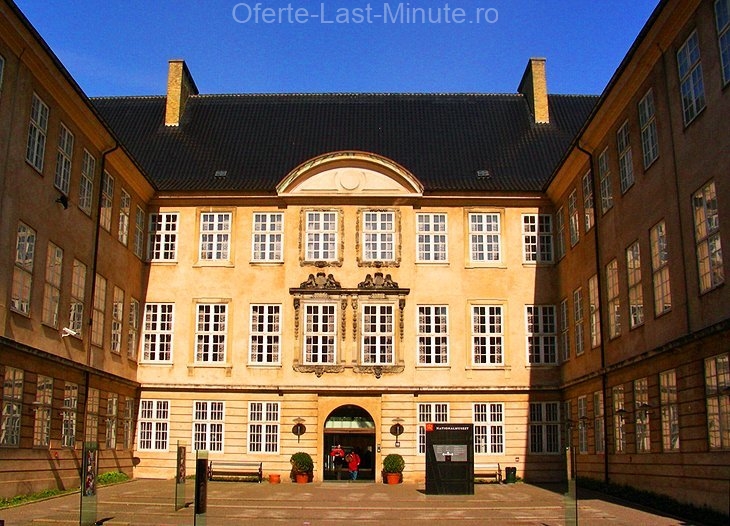 An easy ten-minute walk from Tivoli along Vestergade brings you to the National Museum (Nationalmuseet), an unforgettable attraction for anyone has an interest in Danish history and culture.There are some impressive runic stones, and the Danish history collection includes a carriage (wagon form) old -fashioned) over 2,000 years, accessories for Romanesque and Gothic churches, Danish porcelain and silver and coins collections.The ethnographic collection, including articles in Greenland, offers an excellent impression of life among the Eskimos.Other covered areas include Asia, Africa and Oceania, as well as the culture of Indians.Here you will find the prince's palace (1744), a Rococo building influenced by the French style of the period.About five minutes walk from the National Museum, Thorvaldsen's Museum also deserves a visit to see spectacular works of this famous Danish sculptor.
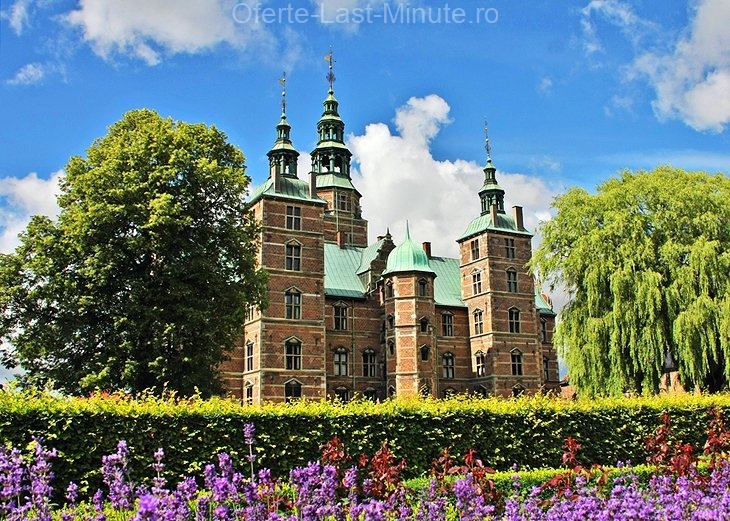 Less than ten minutes walk from the Round Tower and now houses some of the largest cultural treasures in Denmark, the castle was initially built by Christian IV as a pleasure palace.Inhabited by the Royal Family until 1720 and then used as a summer refuge, the castle and content became a museum in 1838. In the basement are the jewelry of the Danish crown and the royal royal.A special interest is the marble room, a baroque reception room and the Knights' Hall with the throne of coronation (used between 1871 until 1940), as well as the famous Rosenborg tapestry, which have adorned the walls since 1693. Also, the refined porcelain is in the exhibition, including the famous Flora Dan.
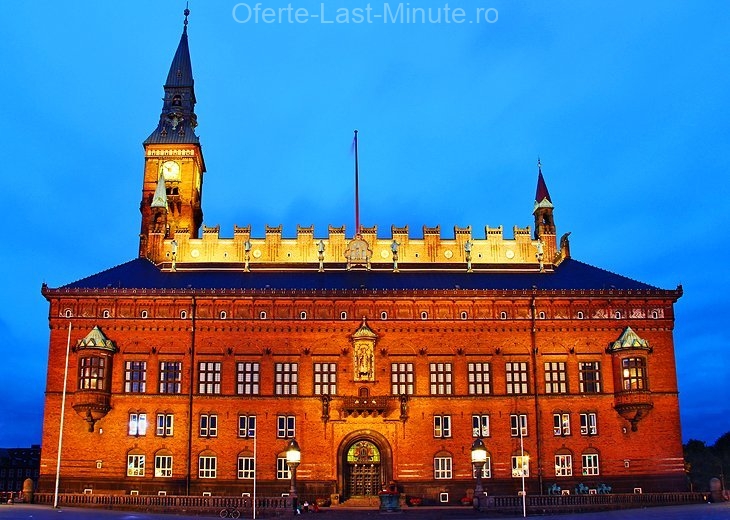 The occupied market of the City Hall (Rådhuspladsen) is dominated by the Copenhagen City Hall (built between 1892 and 1905), which is based on a mixture of Renaissance and medi Danish architecture.For wonderful views, you can climb the tower;At 106 meters high, it is the highest in the city.The building itself is richly adorned with sculptures and paintings.Above the main entrance is a figure of Bishop Absalon in Aurit copper, and in the Great Hall are busts of notable Danish such as Martin Nyrop (1849-1921), the architect who designed the building, sculptor Bertel Thorvaldsen (1770-1840), Hans Christian Andersen (1805-76) and physicist Niels Bohr(1885-1962).The world clock at the main entrance was designed and built by Jens Olsen in 1955 and shows not only the time and date, but also different astronomical constellations.
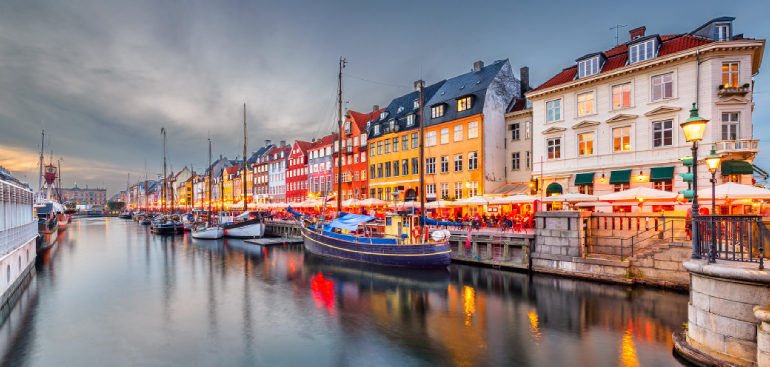
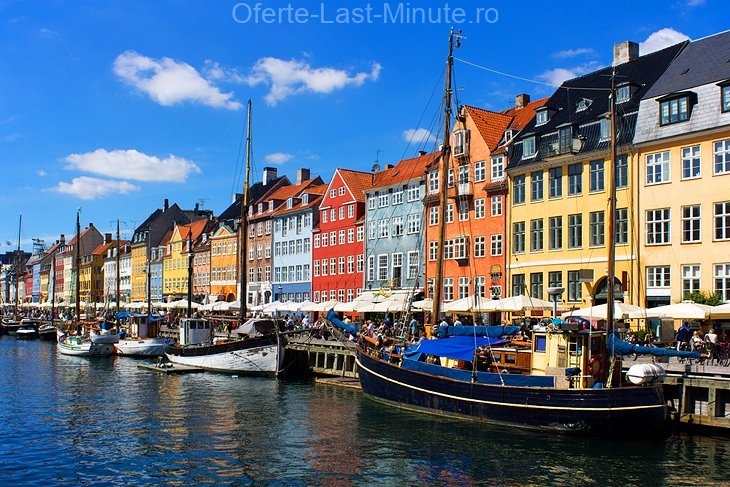 In the back of Amalienborg is Nyhavn (New Harbor), which is flanked by a street of the same name.At the end of the port, an anchor serves as a memorial for Danish sailors who have lost their lives in World War II.Nyhavn was once an undeniable neighborhood of the city, but now, with its pedestrian houses painted in bright colors, many containing restaurants or cafes, it is a very charming part of Copenhagen, which appears in countless images of the city.The ships of the idyllic museum are at an anchor, including a light ship (Fyrskib) dating from 1885. From Nyhavn, hydrophoil and catamaran services operate in Sweden, as well as tourist trips around the port and along the channel.
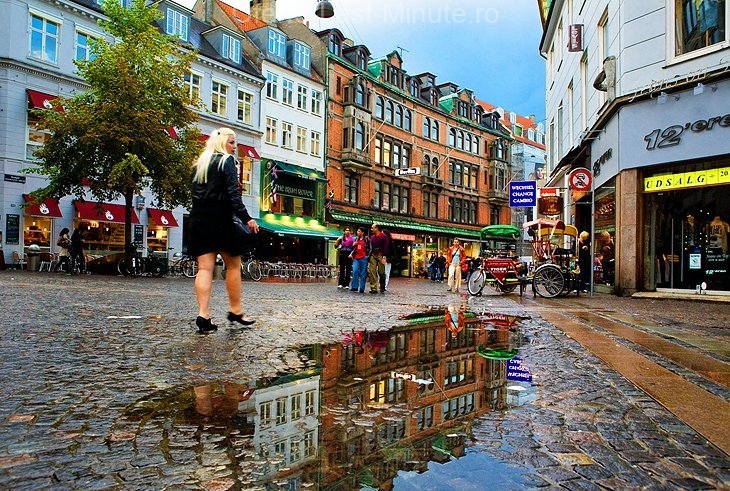 A five -minute walk from Christiansborg takes you to the lively commercial area in Strøget, where you will find a multitude of boutiques, cafes and restaurants.Strøget, a nickname from the 1800s, consists of several roads that intersect, from the City Hall Square (Rådhushpladsen) and ending at Kongens Nytorv.Some streets adjacent to the north were also pedestrian.International brand stores such as Max Mara, Prada, Louis Vuitton and Hermès tend to be at the end of the street facing the direction of Kongens Nytorv.Follow the Stringet to the City Hall Square for more accessible shopping at H M, Weekday and Zara.
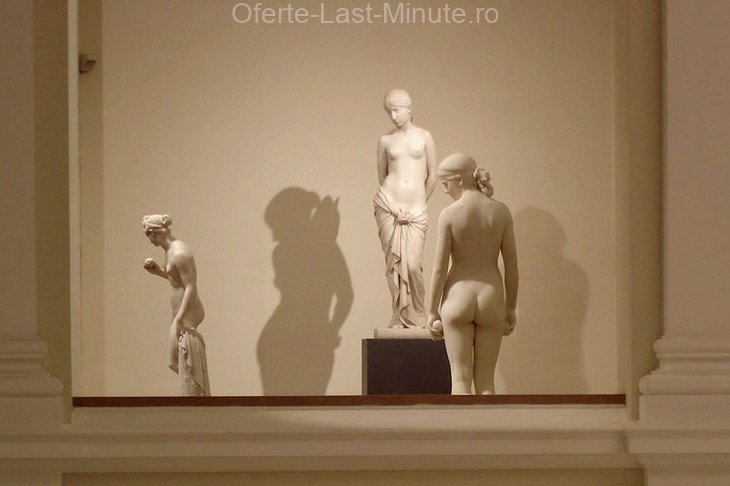 The National Gallery of Denmark displays the largest Danish art collection from the 1700s to the present, as well as impressive works in the world.The points of attraction include the Danish and Nordic art exhibition, which extends for 150 years, as well as paintings of Dutch masters, Edvard Munch and Picasso, among others.The natural light floods the upper floors giving the gallery a wonderful ambience.Make sure you lift a map before exploring all collections.The cafe is particularly pleasant and is a wonderful place to relax and enjoy the surroundings.
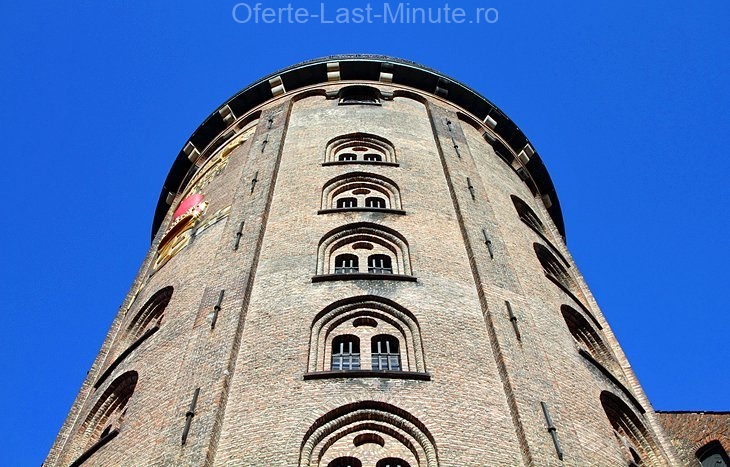 On Købmagergade is the Round Tower (Rundetårn), a 36 -meter high structure, built as an observer in 1642. Now he is hosting a small collection to the famous Danish astronomer Tycho Brahe.A special treatment is the platform, which is reached by a wide spiral ramp.From the top there are magnificent panoramic views over the city.A new attraction is the glass floor that plans 25 meters above the ground, where you can look at the center of the castle.Hans Christian Andersen's fans will be interested in finding out that the tower appears in its well -known story The Tinderbox - "big eyes like the Round Tower".After admiring the views and breathing the breaths that you don't continue with a short walk around the old town?Go on Skindergade and Kejsergade to Grăbrødretorv, one of the most charming markets in Copenhagen, with his oldly colored old houses.

