
Berlin is a city-state, the capital of Germany, being the largest city of the country with about 3.4 million inhabitants and covering an area of approximately 892 km².
About
Best period
The best months for good weather in Berlin are April, May, June, July, August and September
On average the hottest months are June, July and August
Tourist Attractions
 Literally translated as "the animal garden", the Grosser Tiergarten in Berlin has long been a major tourist attraction.Initially a royal hunting reserve in which deer, wild pigs and other types of hunting were kept, was transformed into a public park in 1700. Attractively, arranged with a multitude of trees and shrubs and expansions of border and flowers, Tiergarten covers 210 hectares and is a favorite place for relaxation.The park also contains numerous statues and monuments, including 1880 the statue of Queen Luise, who describes it with a relief recognizing the care of the wounded soldiers during the 1806 war, and in 1849 the monument of Frederick Wilhelm III, with reliefs that reflect the king's disposition.Tiergarten's most famous monument is the massive victory column, a 70 -meter high structure, crowned by an 8 -meter golden statue.The statue, called Golden Lizzy by the locals, was completed in 1873. It is well deserved to climb the 285 steps towards the top of this magnificent monument for visions on Tiergarten.
 Despite the celebration of the 50th anniversary in 2020, Berliner Fernsehturm (Berlin Television Tower), 368 meters high, has lost nothing of the city's visitors' attraction.Since its opening in 1970, the third highest independent structure in Europe has attracted over 60 million visitors, most of which are attracted to spectacular views on the German capital. In initially, to mark the skill of communism (it is located in the former district of East Berlin), the landmark can be chosen from almost every corner, as almost all corners of the city.The 1980s. N n Nicigura yourself to include the structure of the structure in your visit and, if you can stay a little, book a reservation at the 207 meters high.
 Zoologischer Garten Berlin is the oldest zoo in Germany and remains one of the most popular attractions in Berlin, receiving millions of guests every year.Established in 1844 and completely rebuilt after World War II, the Zoo has gained a reputation for its many successful breeding programs and is known for providing authentic animal habitats.The zoo hosts almost 20,000 large and small animals, from Arctic wolves to zebras.Renowned residents include a giant panda pair, two giraffe species and a flock of tiny African penguins.The zoo also houses the largest birds in Europe, as well as the Berlin aquarium, where you can watch more than 9,000 creatures swim in the 250 tanks, including sharks and tiger sharks, jellyfish, tropical fish, reptiles and insects.Another zoo of interest is Tierpark Berlin, at about 7,250 animals from 840 different species.
 Located on the island of the museum near Lustgarten, the Berlin Cathedral (Berliner Dom) is one of the most imposing buildings of the complex, with a 75 -meter -high dome.Built in the new Baroque style, the building is the largest church in Berlin and is divided into three main sections: the memorial church, the Baptist and Nuptial Church and the parish church.After decades of painful work to repair war damages, the church was returned to its former glory, and the record of a visit includes the imperial scale, decorated with bronze cornices and 13 paintings by the painter of the landscape Albert Hertel in 1905, a gallery with splendid views of Berlin.Another popular feature is the Hohenzollern crypt, which contains almost 100 sarcophagi, coffins and monuments from the 16th centuries.Try to visit your visit for one of the cathedrals of many concerts or music services, and make sure to climb 270 steps from Dome for beautiful views over the island of the museum.(English guided tours are available.)
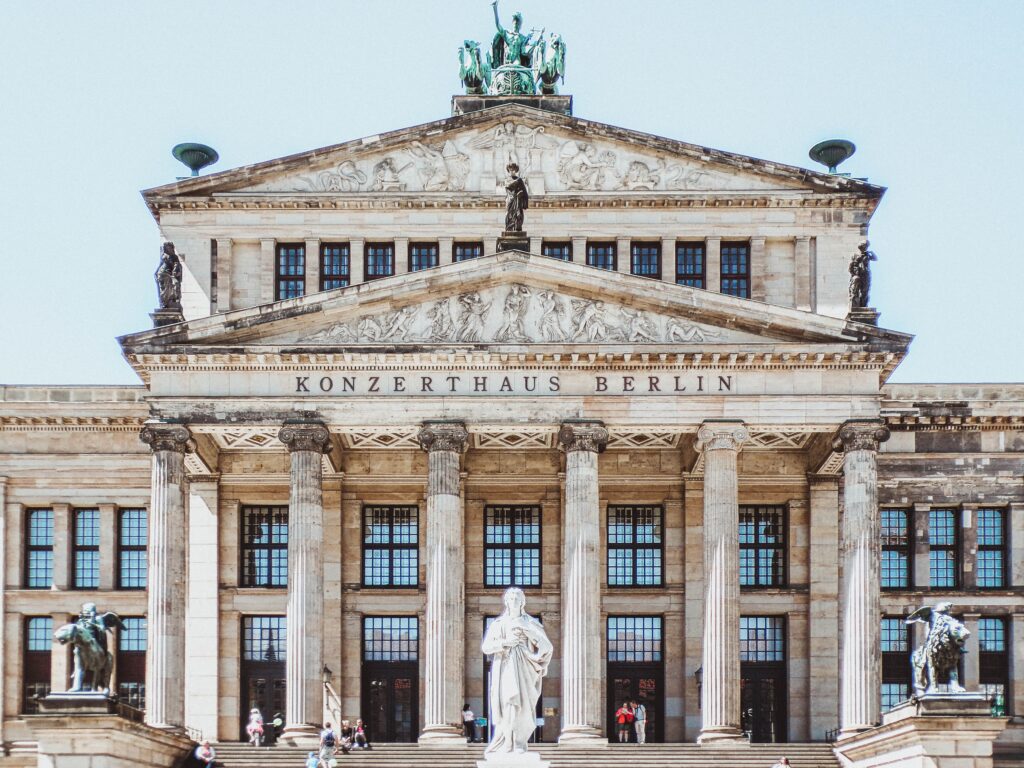
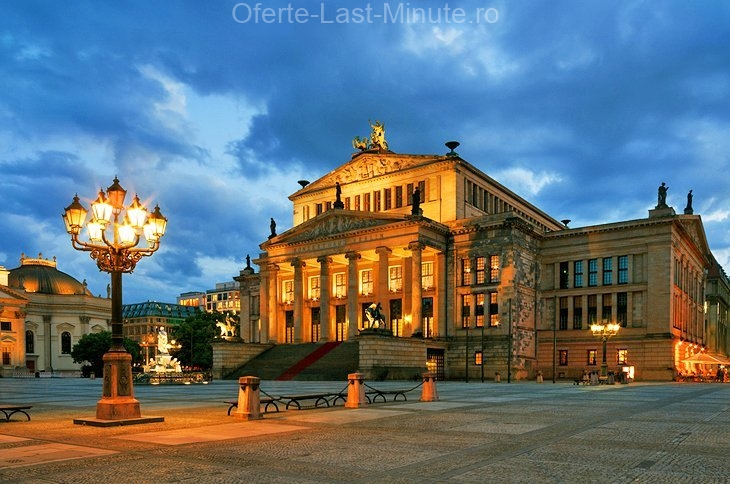 Gendarmenmarkt, one of the largest markets in Berlin, is dominated by three historical buildings: Konzerthaus, the French Cathedral (Französischer Dom) and the German Cathedral (Deutscher Dom).This seventeenth-century picturesque market is now one of the top tourist attractions in Berlin, hosting numerous public events every year, including classic concerts on the Konzerthaus theater steps, every December the whole market becomes famous of the city of Christmas.Konzerthaus, built in 1821, is as famous for its architectural splendor, as for the first -class shows of Konzerthausoster Berlin, one of the most popular symphonic orchestras in the country.In front of the building is a statue of the German poet Friedrich Schiller surrounded by four female figures that represent the artistic elements of poetry, drama, history and philosophy.The cathedrals are thus named for their domes ("dom " is the German word for the cathedral) and are not actually churches - the French cathedral houses the Huguenot Museum and the German Cathedral exposes the history of the German Parliament.Another known market in Berlin, Alexanderplatz was the center of life in East Berlin and is now a world hour hour, a popular meeting place.Nearby is the television tower (nicknamed "telespargel") with panoramic views of the city.
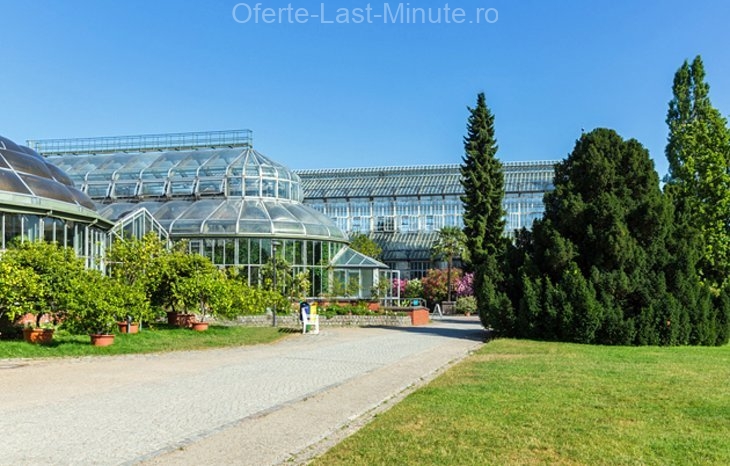 Initially, the kitchen garden and herbs in the Royal Palace, the Berlin-Dahlem Botanical Garden (Botanischer Garten Berlin-Dahlem) was built in 1679, available to the great element.With an area of 126 acres, it is one of the largest botanical gardens in the world, which houses over 20,000 species of plants that represent not only Europe, but also tropical and subtropical environments in the tropical sea.There are also herbal gardens and a large pond that is the central element of the biotope for marine and marsh plants.It is also worth seeing the election garden with the greenery of the seventeenth century;a garden restaurant;And the excellent botanical museum, with its herb, which has more than two million plants and a vast library.
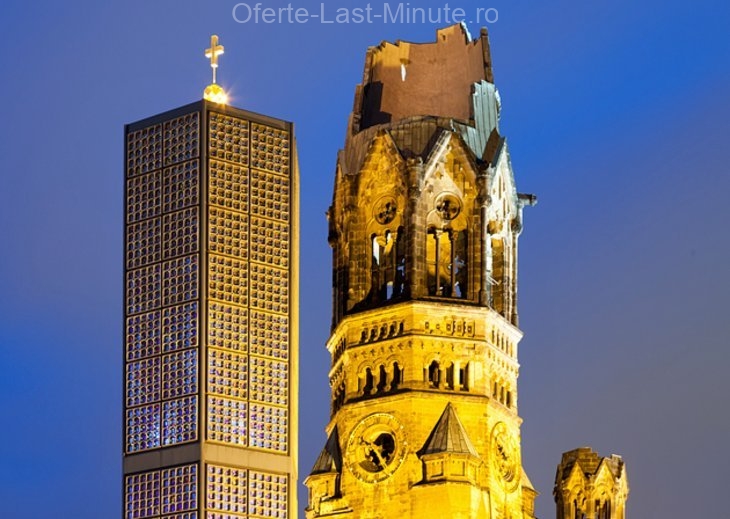 One of the most interesting benchmarks in Berlin, the Kaiser Wilhelm Memorial Church (Kaiser-Wilhelm-Gedächtniskirche) is in many ways two churches: the new ultramodern church designed in 1961, and next to it the original of the original, including the majority of 63 meters.Completed in 1895 in honor of Emperor Wilhelm I, the original was destroyed in 1943, but his remains were incorporated into the new complex.The result is now an important landmark in Berlin, which also serves as a war memorial, with installed exhibits containing mosaic residues, architectural debris and photographs.The belt is a figure of Christ in the old church and a nail cross in the Coventry Cathedral, destroyed by German bombs earlier during World War II.Guide trips are available, and visitors are welcome to participate in Sunday services;Evening Music Services with songs, organs of organs and choral music;and regular daily services.
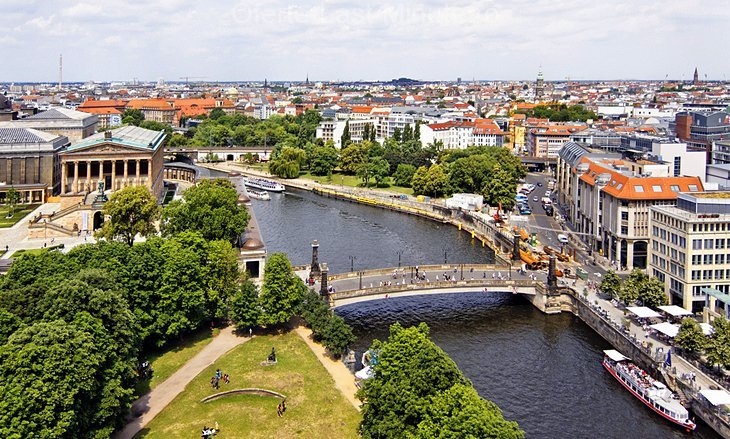 Between the River SPEE and Kupfergraben in a 400-meter long channel, the island of SPA is better known as the Island Museum (Museumsinsel), a site of UNESCO World Heritage.Here you will find many of the oldest and most important museums in the city, including the Old Museum (Along Museum), built in 1830 to host the crown jewelry and other royal treasures.The New Museum (Neues Museum), destroyed during World War II, was rebuilt and opened again in 2009, as an extended collection house in the Egyptian Museum, the Papyrus collection and the classic antiquity collection.Impressionist and early early pieces.The Bode Museum hosts a collection of Byzantine art, as well as a vast collection of sculptures that extend from medi times until the late 1700s. The most popular museum of the city, Pergamon includes an Islamic art museum and reconstructed historical buildings in the Middle East.
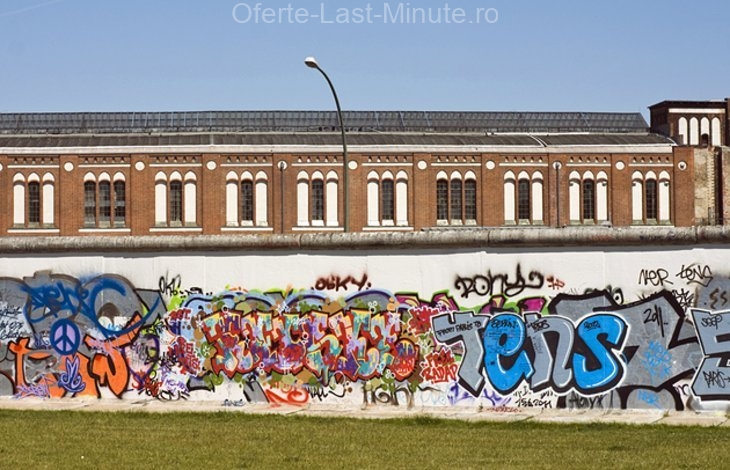 The Berlin Wall was born in 1961, when Eastern Germany isolated half of the city to prevent citizens from escaping to Western Germany.Until it was broken in 1989, the four -meter high wall extended 155 kilometers, dissected 55 streets and had 293 observation towers and 57 bunkers.Today, only small parts of this graffiti transvestite remain, including a 1.4 -kilometer stretch, preserved as part of the Memorial at the Berlin Wall, a refreshing memory of the animosity that once divided Europe.The main features include the Museum of the Center for Refugees Marienfelde with its exhibits related to one and a half million people who passed through Berlin as refugees, the monument in memory of the divided city and the victims of the communist tyranny, the memory window and a visitors with a view to the remains of the wall.Also, of interest is the Haus Museum AM Checkpoint Charlie marking the most popular crossing between the east and western Berlin and with exhibits and artifacts that draw the history of human rights.
 Designed by the architect Daniel Libeskind, the outside of the Zinc-Pavilion Museum is one of the most striking benchmarks in Berlin.Inside, visitors will find a wide range of historical artifacts and donated collections that illustrate the long history and struggle of Jewish Germans, from the Middle Ages to the present.Exhibitions include art works, religious objects and 24,000 photos that have been kept and recovered.The museum also hosts a vast library and archives at the Jewish Museum Academy in Berlin, where there are frequent educational programs.The museum galleries include sections dedicated to Hanukkah, anti -Semitism, the Middle East conflict, the history and culture of Jerusalem and the life of the Rabbin in Munich Leo Baerwald.Located on the eastern side of Tiergarten, this collection of 2711 concrete plates covers 19,000 square meters of uneven land.Under the stretched memorial is an information center that hosts the letters, journals and photographs of the Holocaust victims.
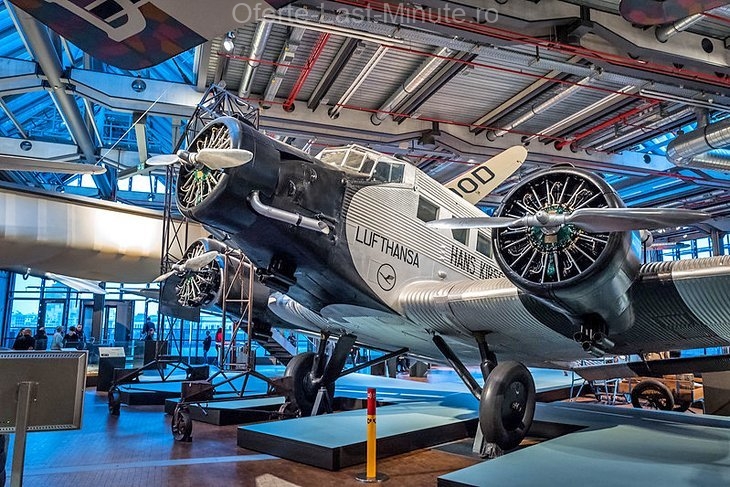 The German Technology Museum (Deutsches Technikmuseum Berlin) was established in 1983 to present and celebrate Germany's industrial and technological skill.There are a lot of fun to see in this popular museum, including taking posters related to the industrial revolution, obtaining a practical experience in a rebuilt workshop, as well as a fascinating look at vehicles that have evolved alongside this increase in mechanization.The trip in a vintage train from the 1930s from the museum to the locomotive warehouse at the weekend.
 The Pergamon, the most visited attractions of the Island Museum, is also one of the most important tourist sites in Berlin. Here they host three main galleries, each occupying a massive building, including the Middle East Museum, the Islamic Art Museum and the Antiquity Collection.The artifacts, which escaped easily during World War II, were collected by German archaeologists in the 19th and 20th centuries in Egypt, Middle East and Asia.Focused primarily on the architectural miracles, including the facades and the ornate gates, some of the most famous pieces of the museum are the Ishtar gate of Babylon, the gate on the Roman market and the Mshatta facade.
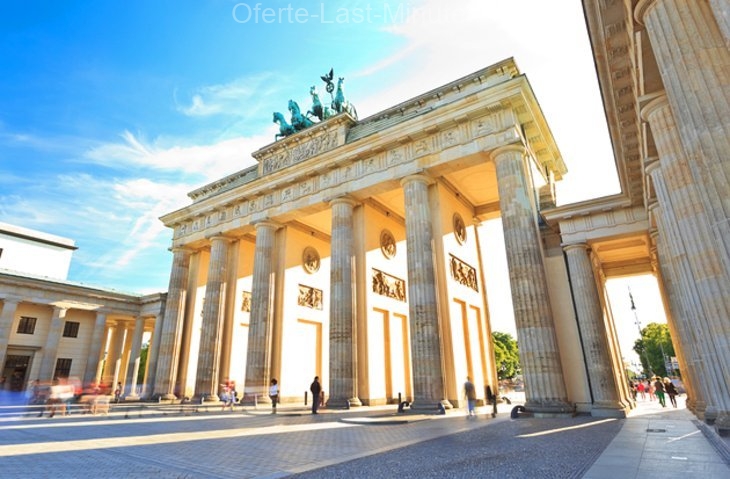 The most famous landmark of Berlin is the Brandenburg Gate (Brandenburger Tor), a symbol of a divided nation and now a symbol of unity and peace.This neoclassical gate was commanded by King Frederick Wilhelm II in 1788, and his design was inspired by Propylacea in Athens.The sandstone monument has a height of 26 meters, located in the Mitte Pariser Platz neighborhood, only a block from Reichstag building.During the Cold War, his physical and symbolic position that the gate blocked along the Berlin Wall made a frequent place for Western Berliners demonstrations and is famous for being invoked in 1987 by US President Ronald Reagan, exhorted to Soviet leader Mihail Gorbachev.It was also the scene of a stumbling gesture when German Chancellor Angela Merkel, Russian Mikhail Gorbachev and Polish Lech Walesa passed through the gate in 1999 to commemorate the destruction of the Berlin Wall 20 years earlier.
 The oldest and highest Prussian Berlin, Charlottenburg Palace since the end of the seventeenth century has been for decades of the primary residence of German royalty. Beautiful renovation, this huge palace has extraordinary characteristics, including a central dome 50 meters high, Baroque decorative decoration and Rococo in all expansive roomsat Versailles.A highlight of the tourist program of the property is a visit to the new wing, with the state apartments and with the fine banquet halls.Built in 1746, visitors looked at the splendor of the royal splendor and the Prussian voters, from Frederick I's bedroom and studying their furniture and fine painting the dining room and a length of 42 meters gold with the rich, golden stuch.Above in the Old Palace is the porcelain office, a room dedicated to a large historical porcelain collection and special exhibits, including crown jewelry and other royal objects.Other important points are the Park Palace dating from 1697 and at home at the New Pavilion (Neue Pavilion), built in 1788 in the style of a Neapolitan villa, and Teahouse Belvedere with its fine porcelain collection in Berlin.Make sure that to visit the mausoleum with his royal tombs, as well as the great court with his great statue of the great voter, Frederick William de Brandenburg.
 The Reichstag was initially completed in 1894, where the Neo-Renaissance Palace served as a housing of the imperial diet of the German Empire until it burned in 1933. It was used again until after Germany reunification, at which time it suffered a period of ten years reconstruction and, finally, became the headquarters of the German Parliament in 1999.Kuppel, made of glass and offering beautiful views of the surrounding city, especially at night at Rooftop restaurant.Note that the entrance to Dome and Terrace is a ticket and, due to the request, it is recommended that the tickets be requested in advance (the registration is available on that day, but a wait for two or three hours is expected).Free audio guides are available in English.

