
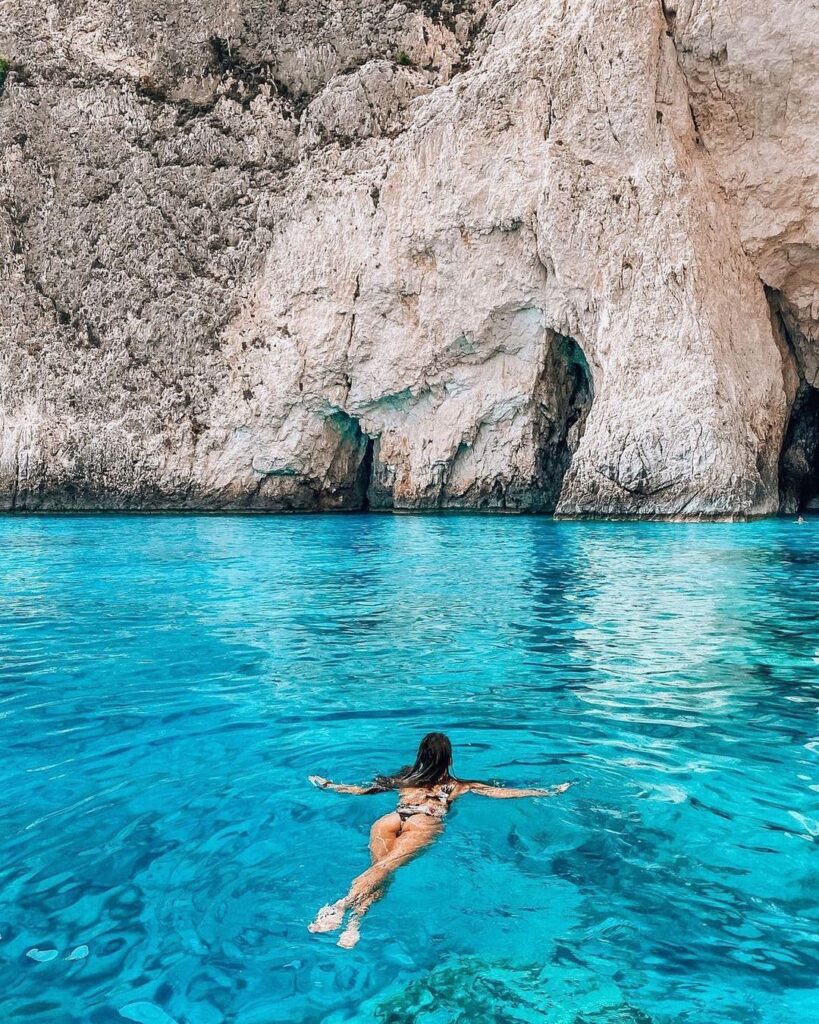
Zákynthos (Zante) island really offers something for everyone when it comes to doing.Easy to access only 16 kilometers from the Western Coast of the Peloponnese in the Ionian Sea, the geography here is amazing and varied.
About
Best period
Best months for good weather in Zakynthoss April, April, May, June, July, August, September, October, November and December
On average the hottest months are July, August and September
The coldest months are January and February
Tourist Attractions
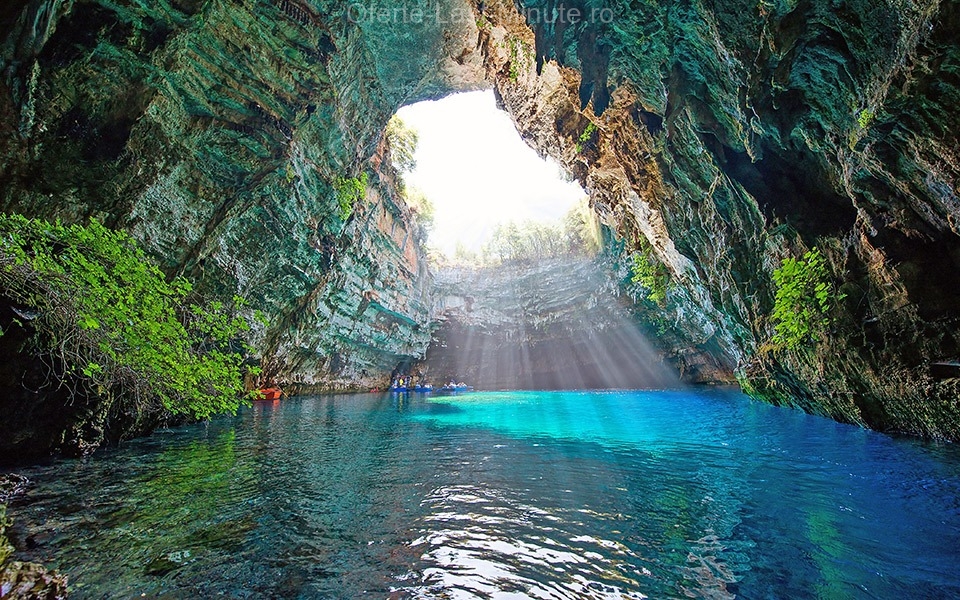 Blue Caves (or blue caves) are actually an unusual geological formation, which creates an unmistakable marine landscape, both by the shape of the rocks and in the intense blue of the water.The water even if it has a depth of over 5m has an unreal color and clarity.The largest is the Kianoun cave and can be easily reached with a slightly larger boat.
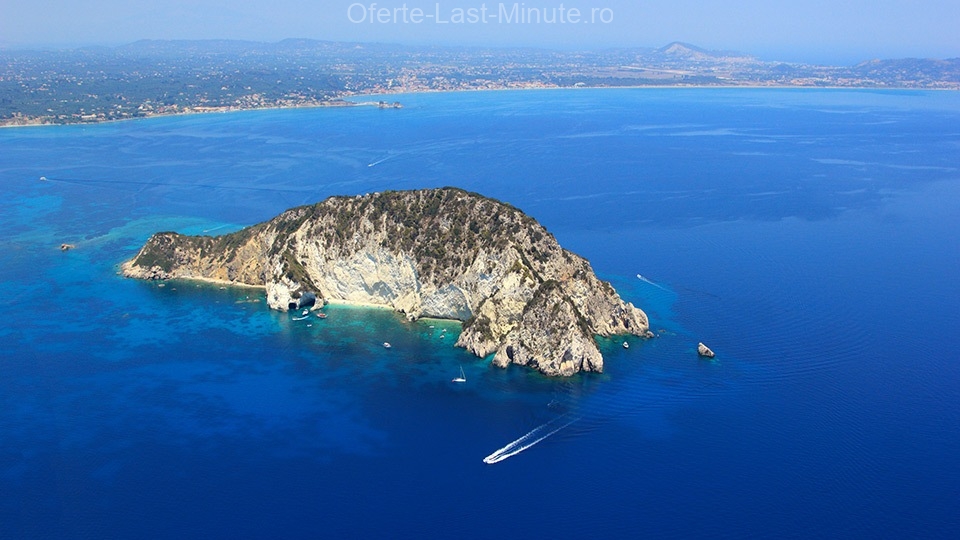 Caretta Caretta turtles migrate to the Bay of Laganas in June, July and August to lay eggs and are a real tourist attraction of Zakynthos island.Obviously any water sports in this perimeter are forbidden.
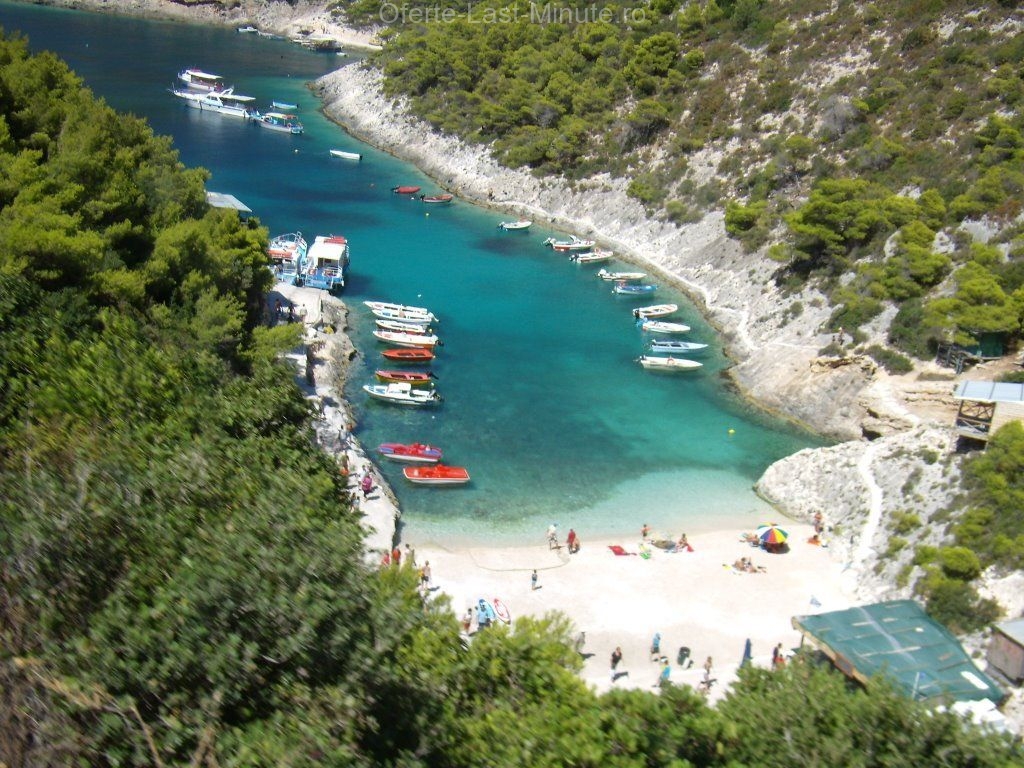 A route of about 40 km that starts in the morning from Navagio (or after visiting the blue caves in the morning light) passes through Porto Vromi where you find Poseidon's face.
 The capital of Zakynthos is Zante Town, which is located at the foot of Bohali hill being the largest city on the island.
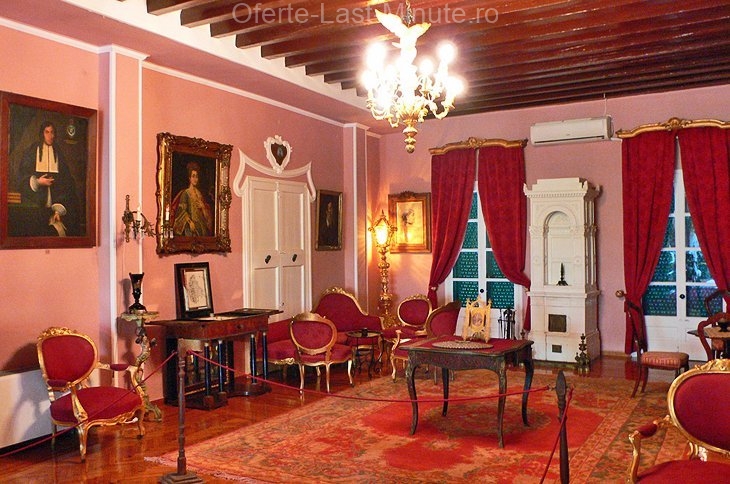 Built in the 1660s, this proud mansion is one of the few old buildings that survived the 1953 earthquake. It is owned by the Roma family, who decided to renovate it and opened it in 2007. Inside, you can see vintage furniture, paintings and books, giving you an idea of how they lived.
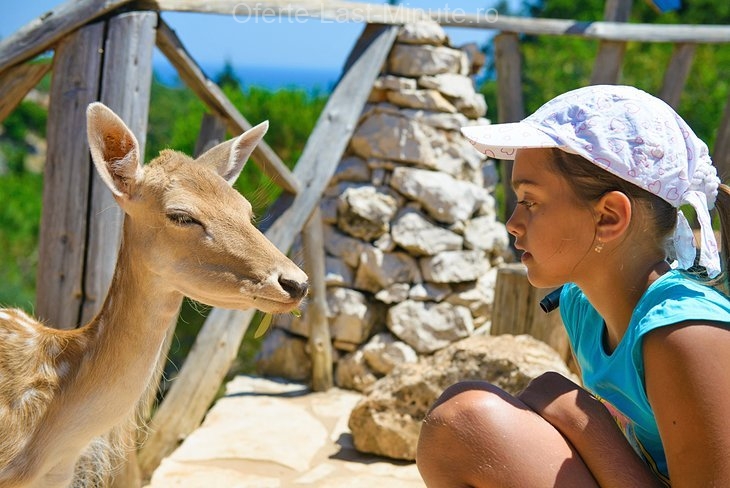 A must-do for animal lovers, Askos Stone Park is in the northern part of the island, near the village of Volimes, 30 kilometers from Zakynthos.It is highly recommended for children - the animals here include deer, raccoon, peaches and turtles, as well as a pony, a donkey, goats and chickens.You will receive a map and a bottle of water with the entrance ticket, and in the park there are participants who can explain where the animals come from and how to feed them.
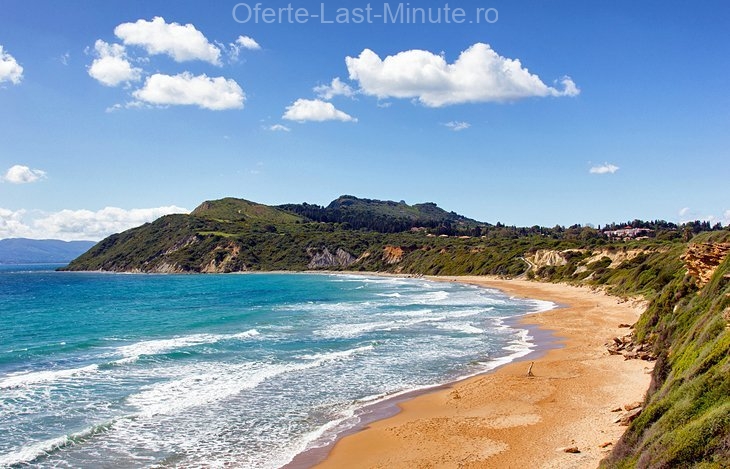 On the southeast coast, eight kilometers south of the city of Zákynthos, the broad bay of Laganás is hosting a few pleasant sand beaches.Since the 1980s, this was the peak resort of the island, with budget accommodation that attracts young visitors in search of sea, sun and fun.However, locals are encouraged to develop echo-tourism here, as Laganas Bay is the area of breeding (Caretta Caretta).A disappearance species, this shy creature puts its eggs in the sand during the summer and there are about 1300 turtles living around the Gulf.In 1999, Marin Zakynthos National Park was created to protect the wild life in the Gulf of Laganás and to limit access to certain areas of the beach during the nesting season.To find out more, visit the Exhibition Center of the Dafni Park, at the eastern end of the Bay of Laganas.
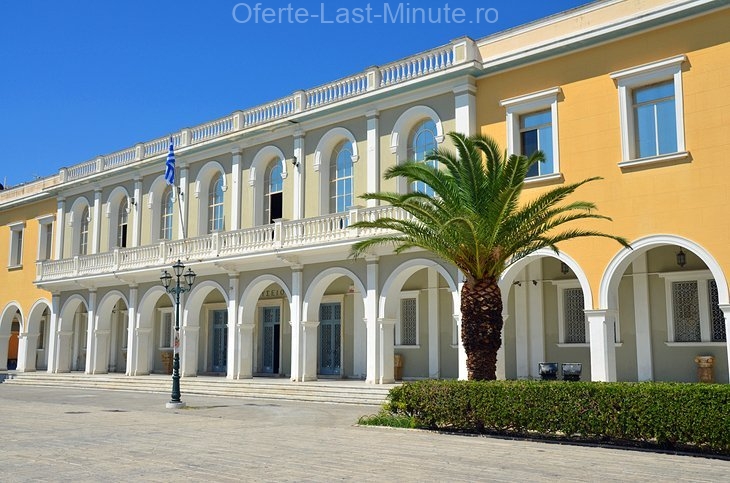 On the main market in the city of Zakynthos, this museum built for purposes presents religious icons, frescoes and sculptures from the churches and monasteries of the island, dating from the 12th century.There is also a large model of the city around 1950, giving you an idea of how it looked before the devastating earthquake of 1953.
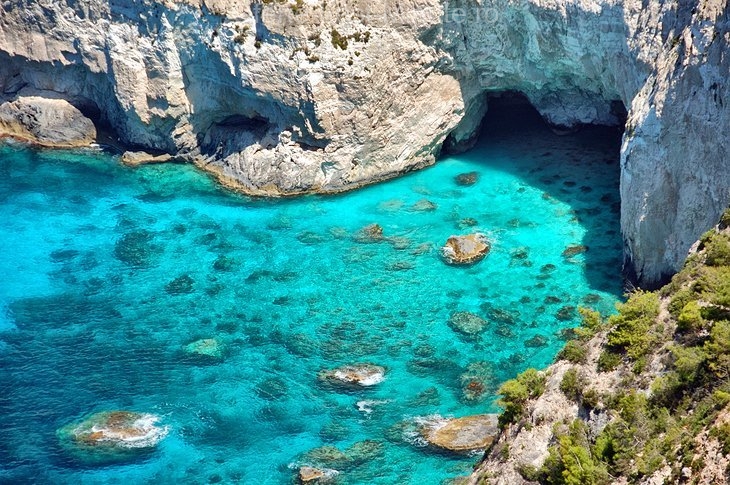 On the southwest coast, 14 km from the city of Zákynthos, near Keri village, a series of dramatic caves opens directly on a large crystal turquoise.It is possible to visit the caves in an organized trip or rent a boat and go independently.You can swim in caves, snorkel or sink to see amazing light effects as the sun is reflected by water and on the walls of the caves.
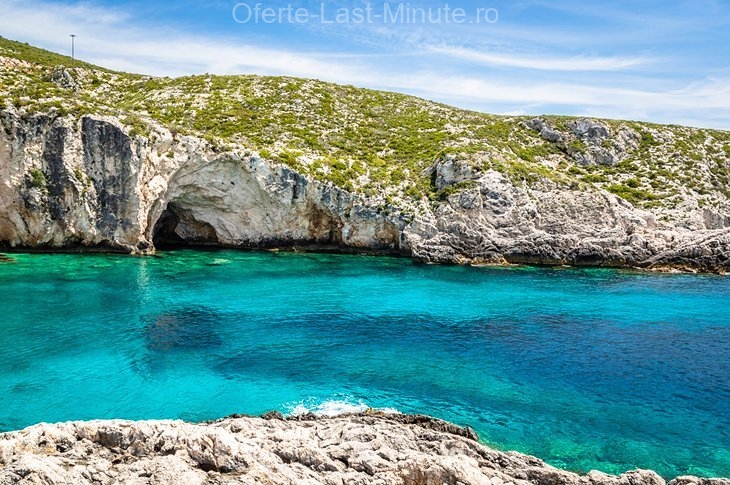 With crystalline water, blue-green, placed on a background of rocks and caves, Porto Limnionas is one of the most famous isolated swimming places on the island.In a wild location on a recent paved road, not far from the small village Agios Leon, it gains popularity every year, and at the peak of summer it can be crowded.Louches can be rented from two local restaurants with terraces with sea views, and once in the water there is good snorkeling, along with caves and even an underwater bridge.
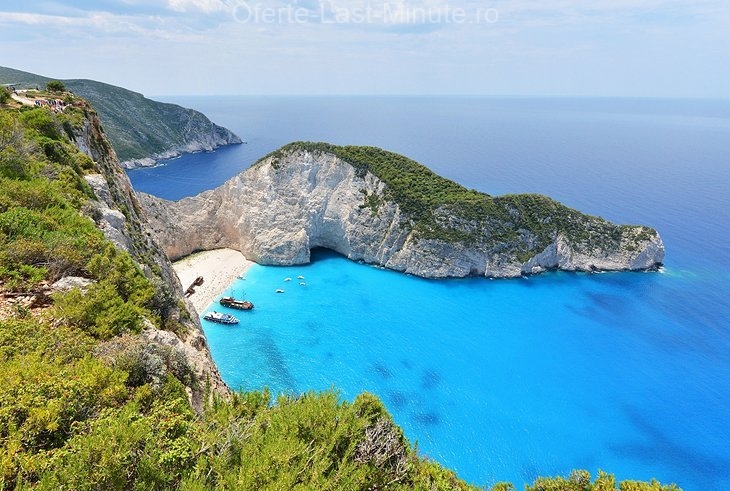 Probably the most photographed beach in Greece and also presented in numerous ads of the National Tourism Organization in Greece, the Shipwreck Beach is in the so-called Cove Smuggler 'S Cove on the West Coast of Zakynthos.Made of well -stretched white pebbles, the beach takes its name from the wreck of a rusty ship carrying smuggling cigarettes and was washed here in 1980. The beach can only be accessed from the sea - you can take a taxi - the boat to Agios Nikolaos (on the northeast coast, 32 kilometers)For a day on an island of one -day the city of Zakynthos, offered by numerous tour operators.The beach is extremely busy in the peak season, but it is quieter after 3 pm, when the trip leaves.

