

Zaragoza is a treasure of historical and cultural attractions waiting for the discovery.Tourists will find ancient Roman ruins, the first Marian church in Christianity and fabulous art museums.Follow the “Caesaraugusta route” to find the forum, the thermal baths and the theater of the Roman city of the 1st centuries (named after Emperor Augustus) that once flourished here.Those who appreciate the Baroque architecture will want to visit the Basilica of the Virgin Mary in Pilar, one of the most important pilgrimage churches in Spain.
About
Best period
The best months for good weather in Zaragoza are April, May, June, July, August, September and October
On average the hottest months are July and August
January is the coldest month of the year
Tourist Attractions
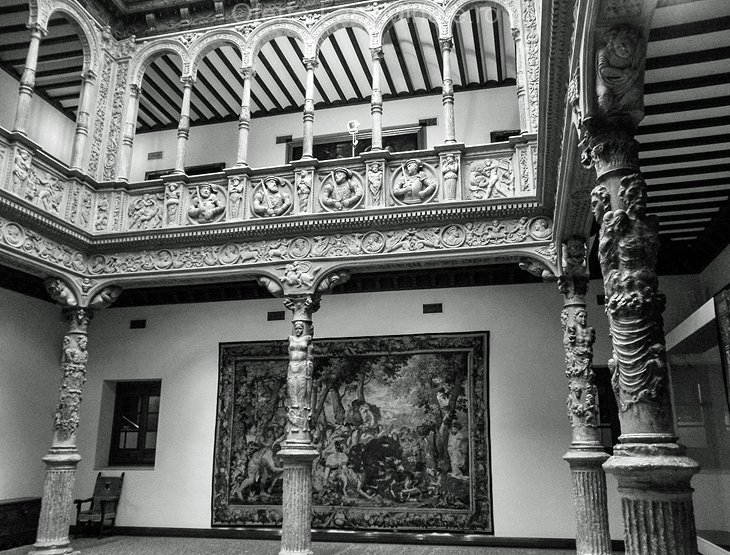 This wonderful museum of plastic arts presents the collection of art assembled by José Camón Aznar, local teacher, philosopher, art critic and art collector.As a patron of this museum, the Bank of Spanish economies Ibercaja bought the mansion of Jerónimo Cosida to host the collection.The wonderful aristocratic house, with three floors designed around a splendid patio, is considered one of the best examples of Renaissance civil architecture in Zaragoza.The permanent collection focuses on paintings from the 15th and 18th centuries, which are exposed on the first floor. In the attraction of the permanent collection include works by Francisco de Goya, Blasco de Grañén, Pedro Berruguete, Pedro de Campaña, Juan Antonio de escalante and Gregorio Fernández.The second floor is dedicated to Francisco de Goya with exhibits of his engravings.On the third floor there are works from the 19th century by some artists inspired by Goya, such as Eugenio Lucas, Leonardo Alenza and Lucas Villamil.by ENA Wertheimer by Cecilio Pla y Gallardo.
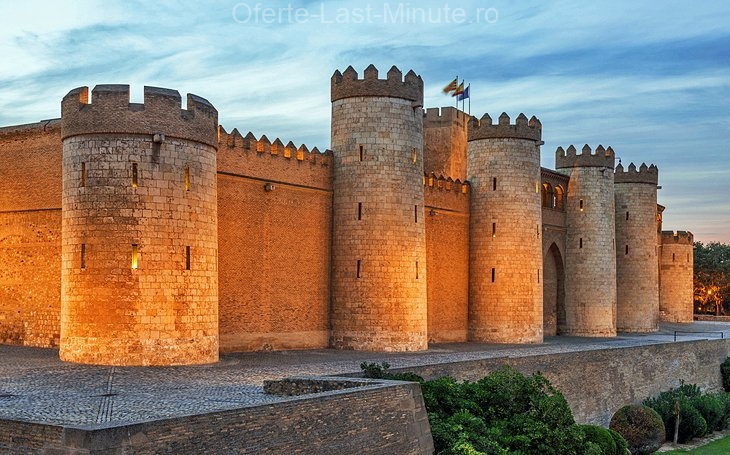 In the heart of Zaragoza, the Aljafería Palace was the fortified Maur Castle of the eleventh century.Redutable defenses are well preserved, with huge towers remains that once surrounded the castle.The castle was designed on a square plane around a courtyard, and the towers are round, except for a single rectangular tower, known as the Tower Tower.The ceilings boxed in Islamic style and the plaster ornaments give the building its charm.The palace is open daily to the public from April to October and from Saturday until Wednesday the rest of the year.Guided tours are available.
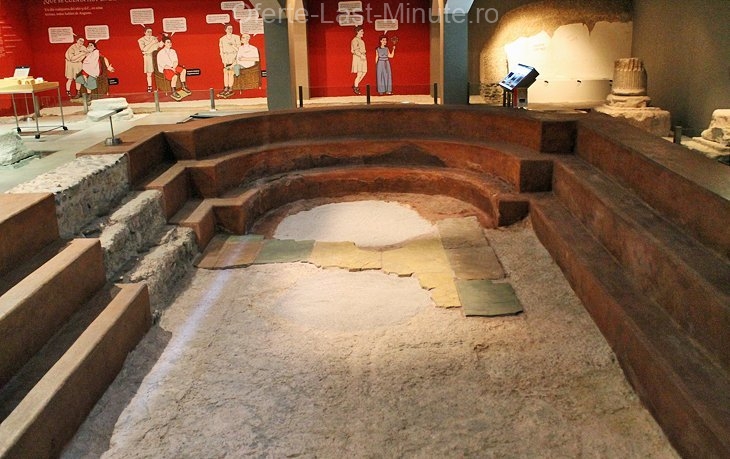 Dating from the first century, the thermal baths in Caesaraugusta were an important center of social life for the old Romanians.More than a simple place for bathing, public baths brought people together to play sports, read and listen to music or poetry.Typical of the public baths found in the old Roman Empire, the facilities include hot water and cold water.The boys could alternate between the two bathrooms, but most of them started warmly and then finished cold.The city of Caesaraugusta was well supplied with fresh water and managed the maintenance of the baths.Today, visitors can explore the history of bathrooms, as well as some of their remains in this museum of public bathrooms.Guided tours are available.
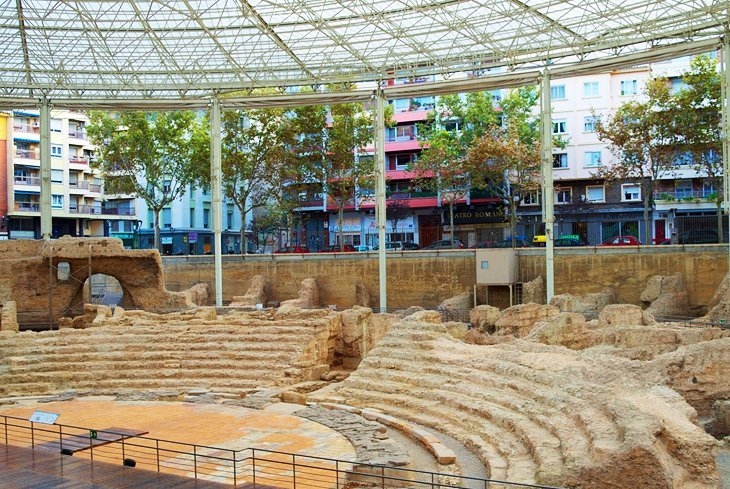 On the route of the Caesaraugust sites, the old Roman theater was discovered in 1972, and the site is now closed in a special exhibition space.Visitors will discover an important monument that had a great social importance for the old Romanians in the 1st century AD.The archaeological remains give a feeling of the greatness of the original theater and the lifestyle of antiquity.The site includes an exhibition room and a cafe
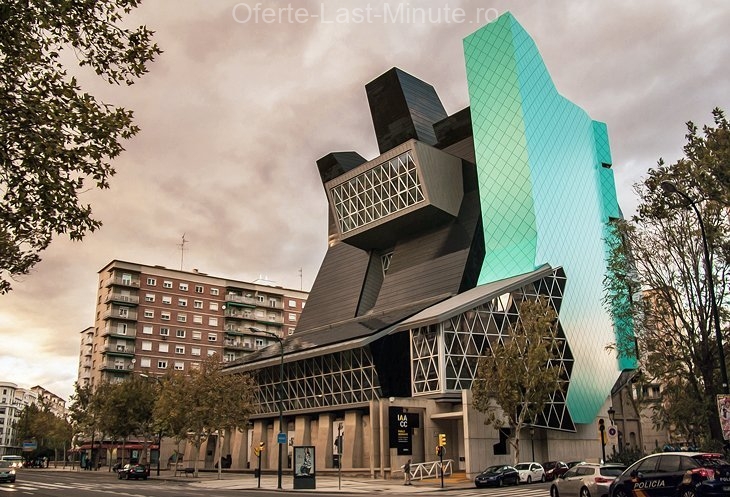 The Pablo Serrano Museum (Instito de Aragonés of Arts Y Contemportáneo Pablo Serrano) is dedicated to the work of this Aragonian artist.The collection of the museum covers the work of Pablo Serrano from its figurative period to its expressionist stage.The exhibits display 140 drawings and sculptures, which reflect the evolution of the artist's creativity and innovation.The museum also presents works by the artist's wife, Juana Francés;Contemporary graphic art works;And an assortment of paintings by Santiago Lagunas.To make the most of a visit, take a guided tour.
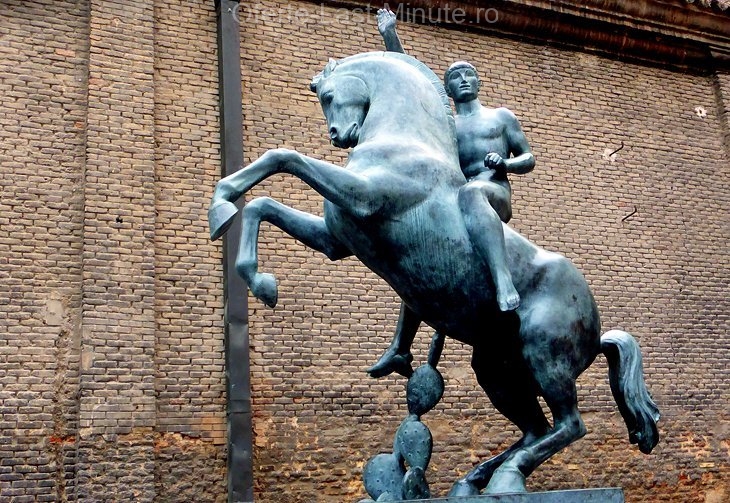 Hosted in the impressive Arguillo Palace in the sixteenth century, this museum is dedicated to the work of Pablo Gargallo, the brilliant contemporary sculptor that came from the Aragon region.The museum presents the work of early sculpture of the artist in marble and plaster, as well as subsequent works made of iron and other metals.The points of attraction of the collection include the great prophet, the portrait of Kiki de Montparnasse and the statues of the equestrians called the Olympic greeting.
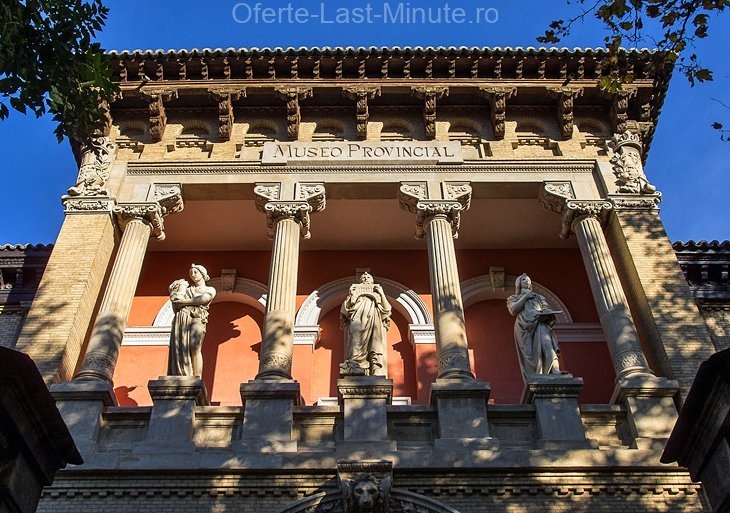 Visitors can explore the art, culture and history of Zaragoza province at the Zaragoza Museum.Hosted in the pavilion of the universal exhibition of 1908, the museum has a wide and diverse collection of articles in two sections: archeology and plastic art.The collection represents different historical and artistic periods, starting with prehistory until the Moorish period, continuing until the Gothic and Renaissance period until the 21st century.The plastic art section presents works of art from the 12th century to the contemporary period.The assortment of gothic paintings is remarkable, and Francisco de Goya's works are culminating points. In the Nmuzei has two annexes in the Primo de Rivera Park: Albarracín House, with a ceramic section, and Ansotana House, with a collection of ethnology
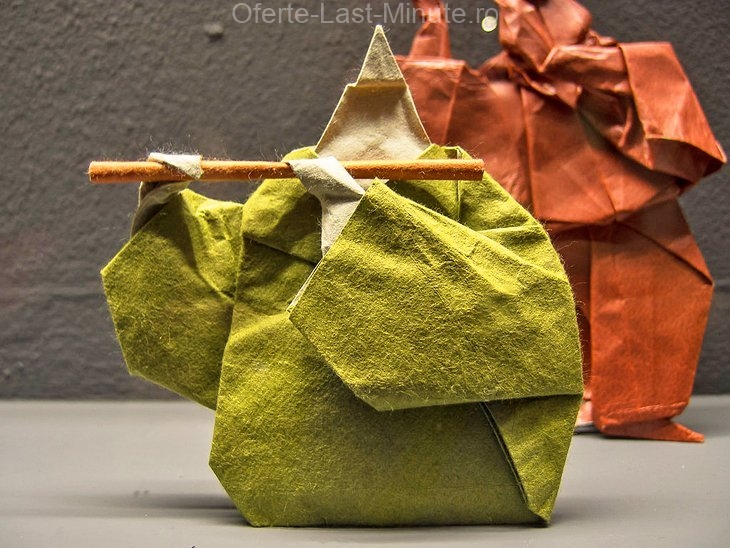 The Origami Museum in Zaragoza (Escuela Museo Origami Zaragoza) is the first of its kind in Europe, founded by a local "Paperfolding" group, which was established in the 1940s. As the name suggests, this is a teaching museum, hosting courses and workshops, as well as events such as paper.The most renowned origami artists in the world, including Yoshihide Momotani, Akira Yoshizawa and Vicent Faderer.In addition to the permanent collections, the museum hosts thematic exhibits, which focus on various materials and artists.The museum also hosts competitions for both "folders" of experts and the general public.
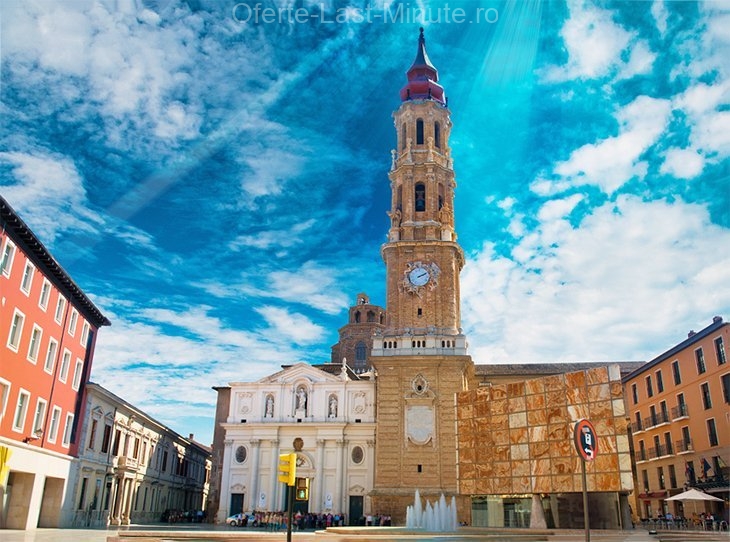 Dedicated to Saint Salvador, the Cathedral of Zaragoza is known as San Salvador or SEO cathedral or simply at SEO.This cathedral was built in the 12th century on the site of the Roman Temple of the Forum, which became a viziginal church and then a large Muslim mosque in the Maura era, before being converted to the Romanesque church in the 12th century.The minaret of the old mosque is the current tower of the cathedral, and the building still displays Romanesque elements, especially on the outside of the apses.The influence of Moorish is seen in the choir and in some arches, while the choir is in Gothic style, and Capilla del Santo Cristo is a masterpiece of Renaissance architecture.The neoclassical facade and the baroque details on the tower are added to the architectural melan.This collection of upholstery is considered one of the best in the world.In its possession, the cathedral has 63 precious Flemande tapisari and six high quality heraldic embroidery works, ranging from medi to Renaissance and Baroque.The museum displays 11 tapestries, as well as other objects of religious art, including metal works and relic busts.The Museum of Cathedral and Tapiseria is open daily to the public.Admission includes entry into both
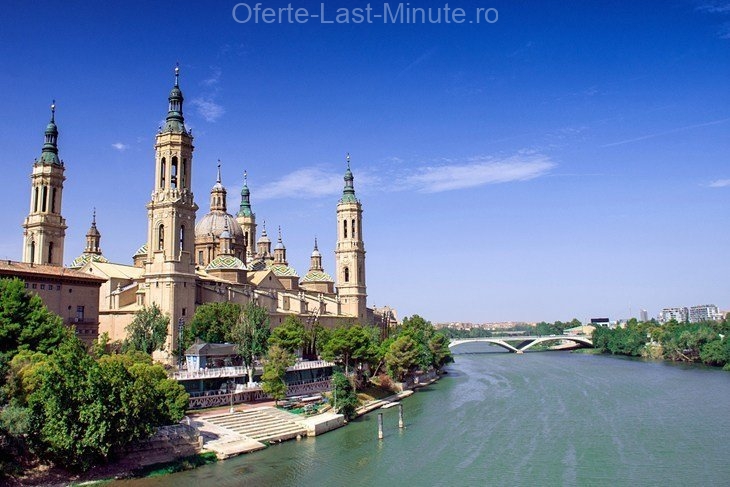 With his growing towers and his presence along the banks of the Ebro river, the Basilica of the Virgin Mary in Pila is the most iconic landmark of the city.This jewel of baroque architecture was built between the 17th and 18th centuries.The views of the basilica are the most impressive across the river, while the entrance is on the other side in Plaza del Pile, a spacious market of the city, lined with elegant historical buildings.Make time to admire the monumental exterior of the basilica, then enter the amazing interior, which has a precious object of veneration.Starting with the Middle Ages, the pilgrims have traveled here to honor an image of the Virgin Mary and the Sagrada Column (the sacred column), a pillar of Iaspis stone that is associated with a Marian appearance.During this vision, the Virgin gave Jacob a self-figure and a stone pillar, instructing him to build a church here.Saint James built a small chapel dedicated to Saint Mary on this place, making it the first Sanctuary Marian from Christianity.Several other churches were later built on the site before the great basilic we see today.This icon is removed and presented to the believers every year on January 2, commemorating the date on which the Virgin appeared. In the other sacred object, Sagrada Column (also known as "El Pila"), is now adorned with silver plating.Other valuable religious art works and lavish baroque monuments are found throughout the basil.A special interest is the great altar of Alabaster and Goya's frescoes.
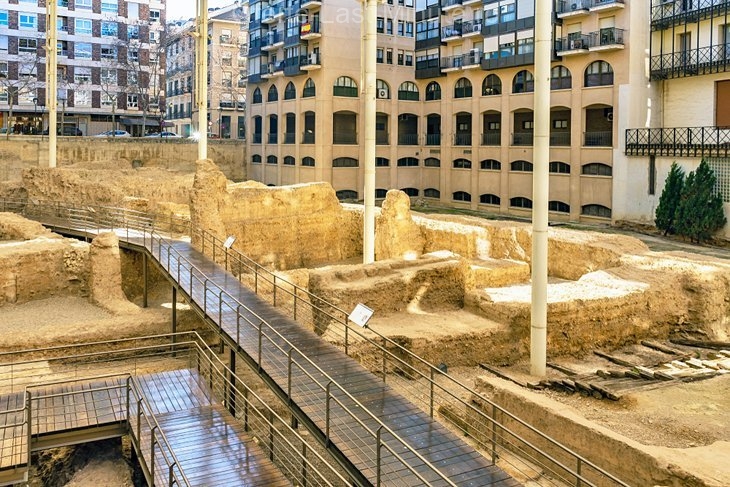 The Museum of the Romanian Forum offers a look in the life of Caesaraugusta, an ancient Roman city of the first and second centuries that, once today Zaragoza.Named after Emperor Augustus who founded the city, Caesaraugusta was known for his splendors.The city had a theater, public baths and a wonderful forum in the center of the city life.This exhibition space is located in the archaeological space around the Caesaraugust forum.The vestiges of the Roman forum dating from the time of Emperor Tiberiu are exposed.Visitors will see artifacts that represent elements of the old market, walls of shops, pipes and a sewerage system.The exhibits are completed by educational information and an interesting audio-visual presentation.
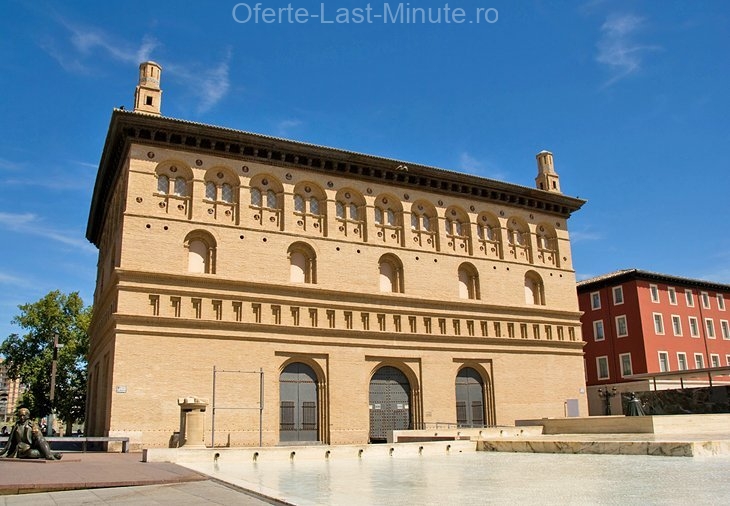 This splendid building from the sixteenth century is located on the great Plaza del Pile, opposite the basilica.In Lonja is the historic market in Zaragoza, where traders carried out their commercial transactions and other commercial transactions.Designed by Juan by Sariñena, the edifice is the best example of the city of Renaissance architecture Aragonese.The interior has the most impressive features of the building - a series of stone columns, which were carved from the remains of the former Roman walls of the city.Created by Juan de Segura, the columns turn into defined arches, seeming to turn into palm trees.
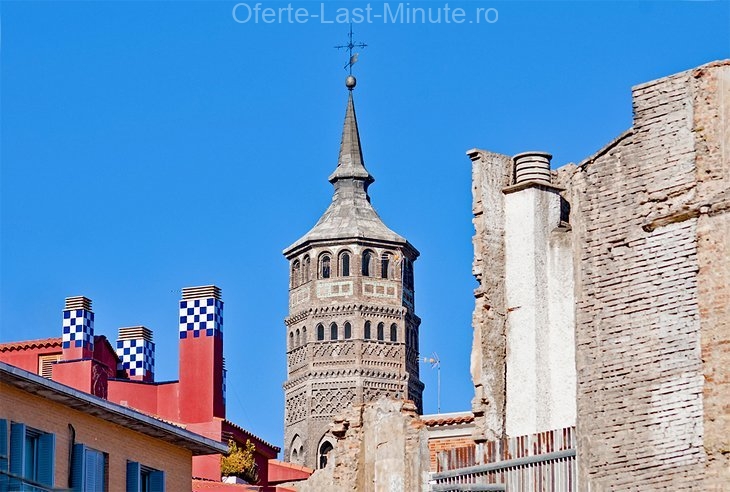 An important example of Aragon Mudéjar style, this church is included in the UNESCO World Heritage Heritage due to its exceptional architectural and historical value.The Church of San Pablo was built in the 13th and 14th centuries to replace a small Romanesque chapel, located on the outskirts of the city.With its unique nave and vaulted ceilings, the interior has a feeling of space.The chapels between the buttresses have refined works of art.A mandatory piece of the Renaissance period is the main retaul dedicated to Saint Paul, made of golden wood by the sculptor Damián in 1515. The most remarkable characteristic of this monument is its magnificent octagonal mudéjar, with exceptional details of Maur design.
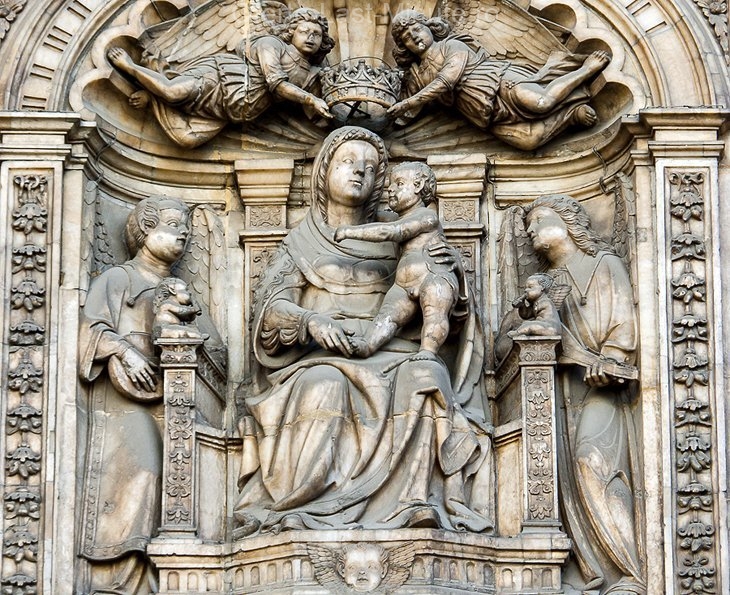 This Renaissance church was once part of the Santa Engracia Hieronymous Monastery, however the rest of the monastery no longer exists.Built in the sixteenth century, the church has a remarkable facade, considered a jewel of Renaissance architecture.The building was started in 1511 by Gil Morlanes, completed by his son in 1517 and renovated in the eighteenth century.Four side niches represent the parents of the Western Church.The superior niches present the virgin of the Holy Liturgy and King Ferdinand, the patron of the Church.The iconography also depicts Saint Valero, Saint Vincent, Saint Jerome, Saint Catherine of Alexandria and Saint John the Baptist.The crypt houses paleo-Christian tombs from the fourth century.
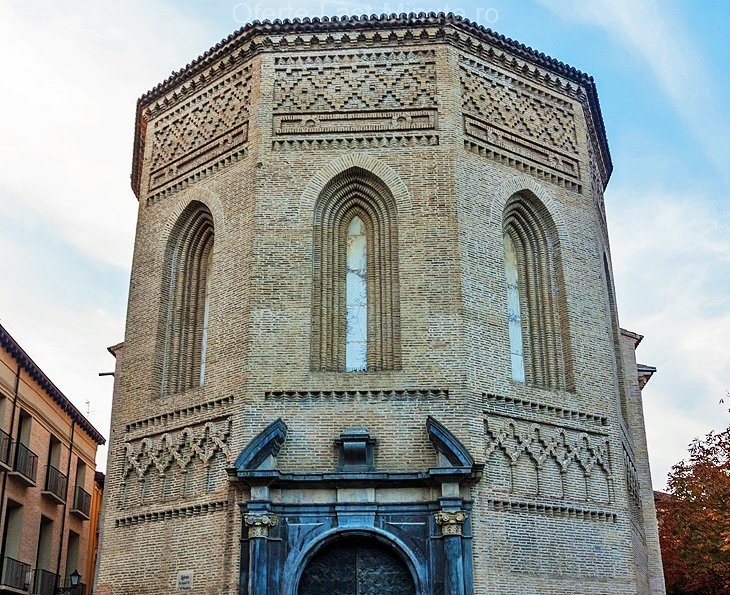 The Church of Santa Maria Magdalena was built at the beginning of the fourteenth century on the site of an ancient and updated Roman temple in the seventeenth century with baroque details.The most distinctive characteristic of the Church of Saint Mary Magdalena is the tower, characteristic of the Archaenese architecture Mudéjar;The ornamental geometric models mimic an Almohad style minaret.The reasons for the decorative glazed ceramics are added to the Moorish appearance.The main retain is adorned with eighteenth-century sculptures and images of Jose Ramirez de Arellano.
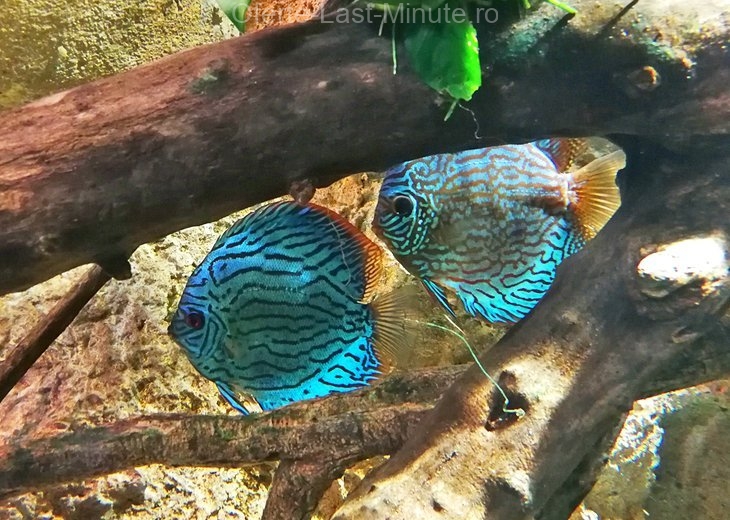 The aquarium in Zaragoza is the largest freshwater aquarium in Europe, hosting a total of over 5,000 animals representing over 350 species of aquatic life.In the center of the building, a symbolic glacier nourishes the various habitats of "river" that surrounds it, each with its own unique environment, which reproduces a major ecosystem on the planet, including large rivers such as Nile and Amazon.His major residents include Arapaima, the third largest freshwater fish in the world;The important ecological packet;and the Malay shark, on the verge of extinction.The stars of the Nile exhibition include freshwater puffer fish and Nile crocodile, and Amazon species include Iguana and Titi Pigmei.
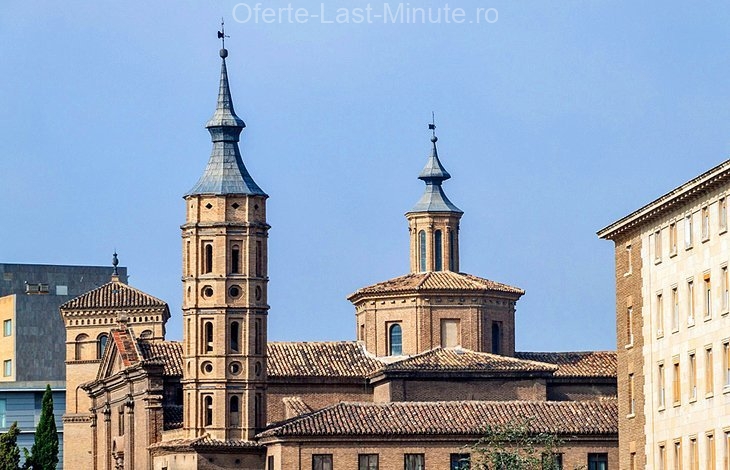 Another beautiful Mudéjar church, San Juan de los Panetes, is between the ancient Roman walls and the Basilica of the Virgin Mary in Pilar.The church was completed in 1725, replacing the Romanesque Church of the Order of Saint John of Jerusalem.The austere baroque facade presents an image of San Juan Bautista and pilasters on the sides.Its octagonal brick tower, with arched windows, recalls the classic Moorish architecture.The interior offers an inspiring feeling of space with vaulting in the barrel and dome on the passage.

