
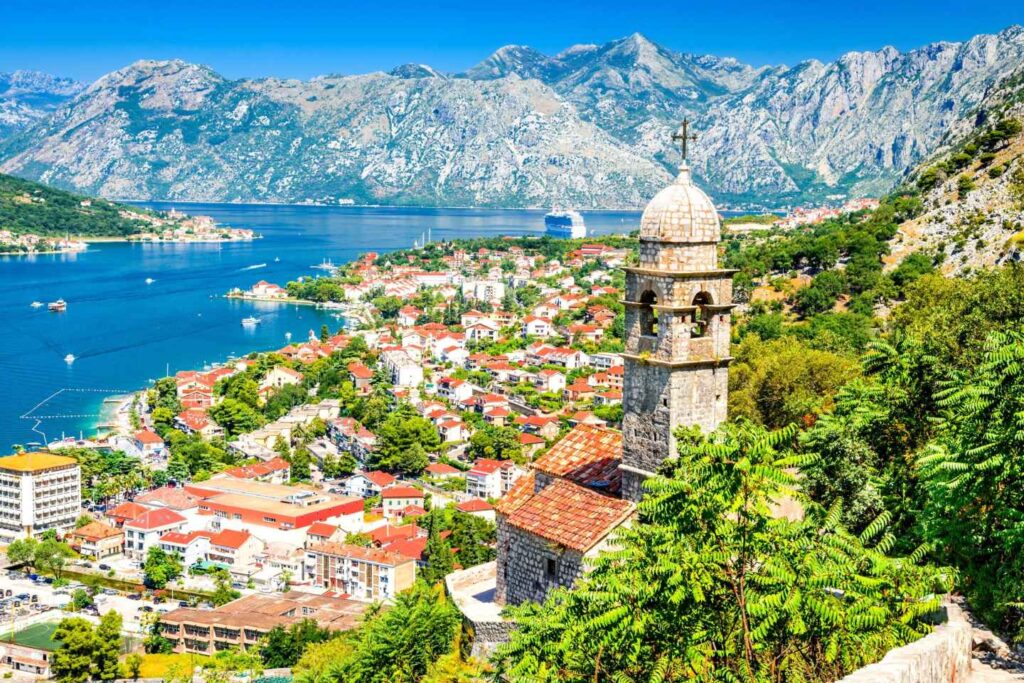
in an amazing location in the Kotor Gulf in Fiord style and supported by the Lovcen Mount Limest rock, Kotor is an old fortified city with a fairy-tale, dating from the medieval era.
About
Best period
The best months for good weather in Kotor are May, June, July, August and September
On average the hottest months are July and August
The rainy Mondays are January, February and November
Tourist Attractions
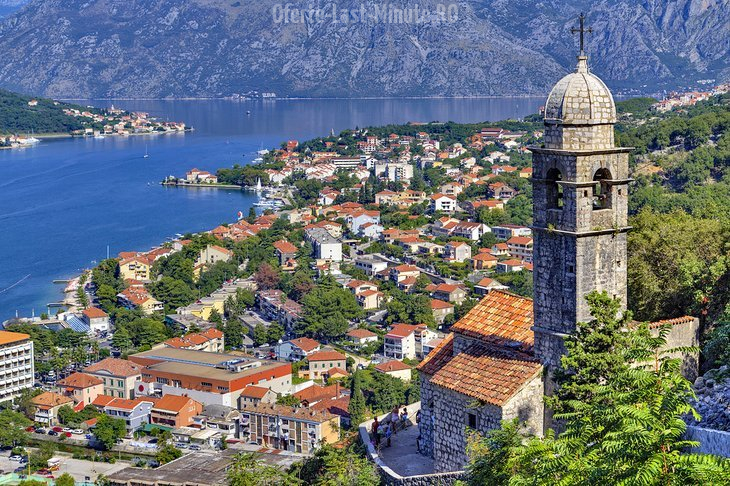 You will need to climb all 1,350 stairs and 1,200 meters altitude to reach San Giovanni (St. John's Castle) and the old fortress on the walls of Kotor, but it is worth the effort for the views.From here, you can see the city below and then the fjord that is the bay of Kotor beyond.To reach it, you climb through a hole in the old wall.Note that you can also get a great photo of the Church of the Virgin Mary just below the top. You want to give about three hours to go to the castle, although it can be done in about two hours if you are in excellent shape and hurry.The trip at the end of the afternoon is particularly amazing, because the light is the best for views over the Kotor Gulf and the castle's meteries, but remember that the sun sinks quickly, so try to take more photos up when the light is.still good.
 The Church of St. Nicholas is the most important Orthodox church in Kotor and is located in St. Luke Square, in the northern part of the old city.Was built over the foundation of a building destroyed by a fire in the late 1800s. Construction at St.Nikolas began in 1902 and was completed in 1909. The nbiserica has two bells on the main facade and a large dome that rises above the surrounding roofs.Style is a mixture of Byzantine and Romanesque.The golden crosses seen at the top of the bells with black dome were an addition from 1998 - they were a gift from Russia.There is also an amazing mosaic at the entrance, and on the second floor there is a large Serbian flag.The treasure of the church is also remarkable, with a large collection of icons, church outfits, documents and other valuables given to them by the rich families in Kotor for the last 100 years.
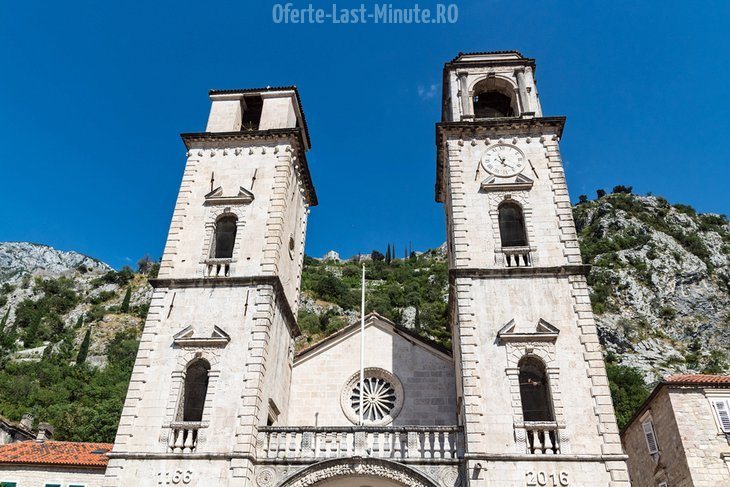 One of the two Roman Catholic churches throughout Montenegro, the Cathedral of Saint Trifon is considered by many as the most beautiful building in Kotor and a symbol of the city.The cathedral, with uneven towers, was initially built in 1166, but was rebuilt over the centuries after the damage caused by multiple earthquakes.However, only one was completely finished, leaving the structure of the uneven tower seen today.Look closely at the inner arches for remnants of ancient frescoes.
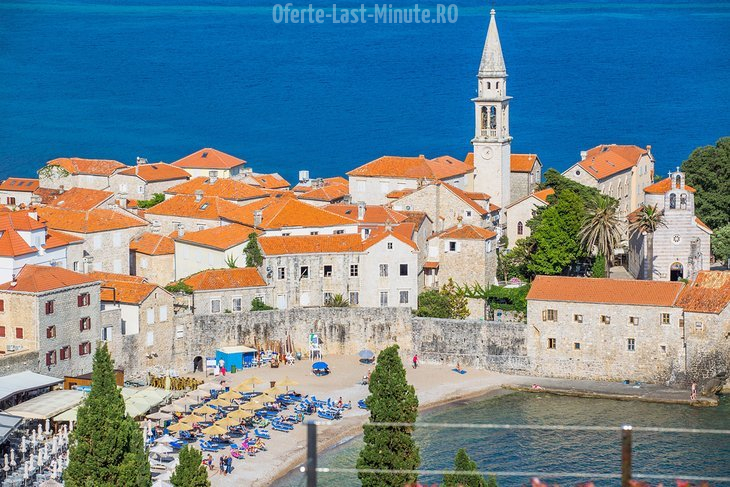 It is an easy trip with the 30-minute car or a slightly longer journey by the bus to reach the Budva Riviera in Kotor, which makes it very possible to stay in Kotor and go to the beach for the afternoon.Budva is the city of Anchora, but the sandy and gravel beaches here stretch along the central coast in Montenegro in both directions and you can jump from one to the other.It is also very calm, making it great for swimming or floating or simply for relaxation.With the dramatic mountains that go along the coast as a background, the whole area is gorgeous.It is a medi city with walls dating back to 2,500 years and has a vibrant atmosphere, with a lot of restaurants and shops.Once you get to the beach, you will find a lot of dining options, with outdoor places on the sea.
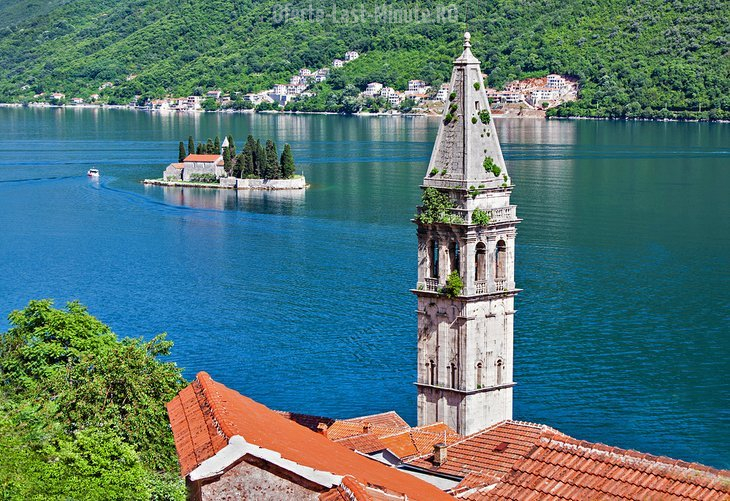
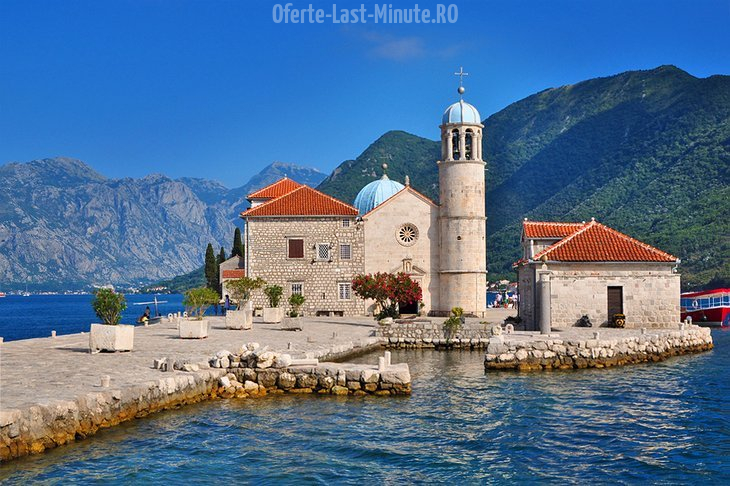 An island created by man in the inner portion of the Bay of Kotor, near the ancient city of Perast, our rocky virgin hosts a church from 1722. The history of this island has been extending since July 1452, when two fishermen would have discovered an image of the Virgin Mary on a pile of rocks that would later become the island.They built a tiny orthodox chapel in the place where the image was discovered.They also built the pile of stones on an adequate island.The church on the island is still hosting the original icon of the Virgin Mary from the fifteenth century, discovered here.There is also a museum and a gift shop.
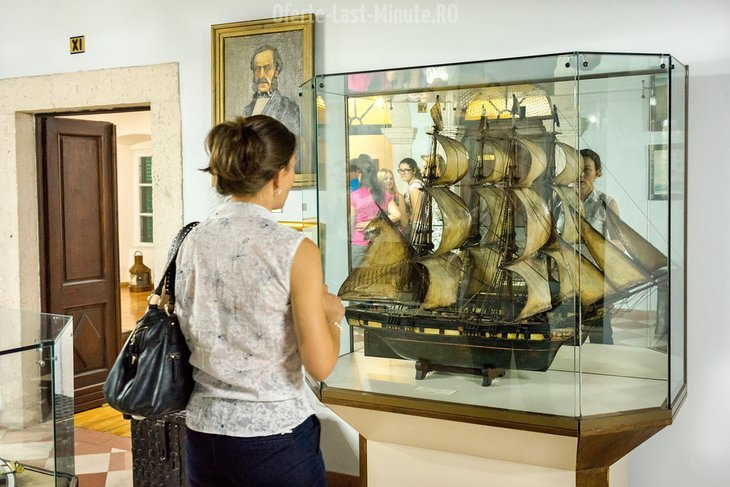 Another popular museum is the Maritime Heritage Museum in Kotor.Located in the Boka fleet Square, in a beautiful Baroque mansion in the eighteenth century, the exhibits here offer an excellent summary of long-term maritime history.The exhibits cover two floors and include everything, from nautical tools to national weapons and costumes to navigation maps.Here you will also find the collection of weapons of the museum used on ships between the seventeenth and nineteenth centuries.
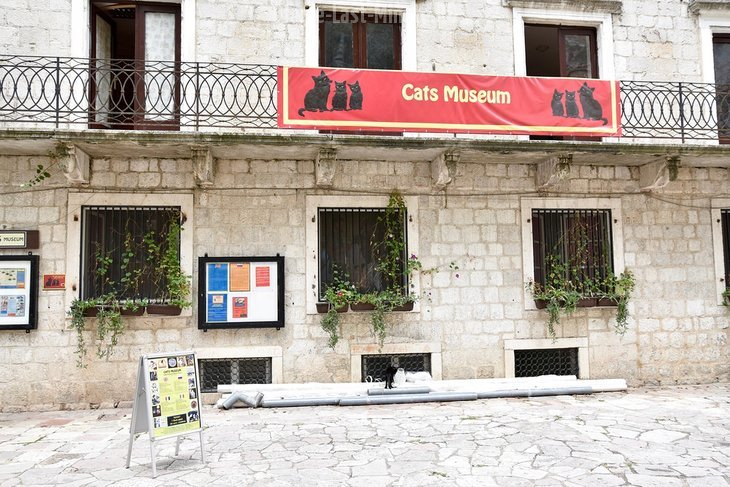 Wherever you go to Kotor, you will see street cats grinning, twisting and being loved.So it is not surprising that the self-proclaimed "Catii Catii" in Montenegro, Kotor, has a museum dedicated to these feline friends.- And they needed to place them.They chose the former Venetian fortress for a long time for cats.Beyond the images, there are ancient books, posters, advertisements and stamps that are all focused on cats.And beyond the exhibits of the two rooms and a hall, you will also find some real residents to interact with.If you want to take a souvenir at home, the museum has a gift shop with all kinds of cat themes.
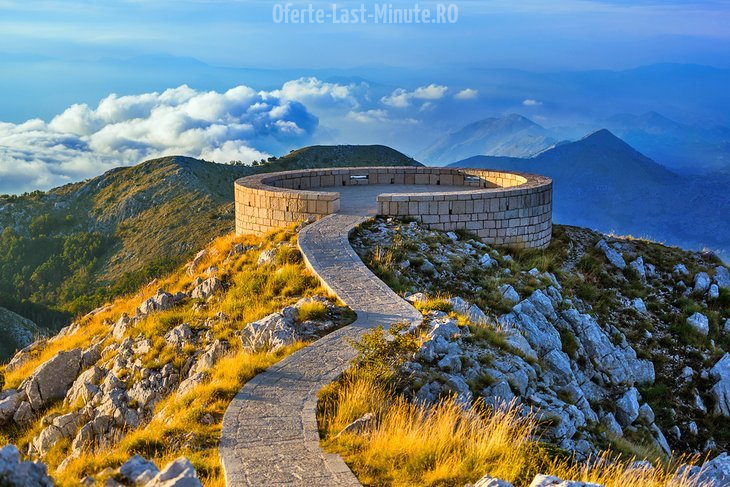 An easy day trip from Kotor, Lovcen National Park is one of the top places to visit in Montenegro and one of the most accessible natural protected places in the country.The park is between Kotor, Cetinje and Budva, and the road to reach here from Kotor is one of the most amazing in the country, with gorgeous views of the bay of Kotor to the snake and serpentin route.Instagram, so you will want to stop often.It is a great place to visit for a picnic or a hike, and local families come in summer to get rid of heat - temperatures are about 10 degrees here than in Kotor.Bears and wolves still live in these forests, but they tend to remain in the most distant corners of the park, where no man ventures.
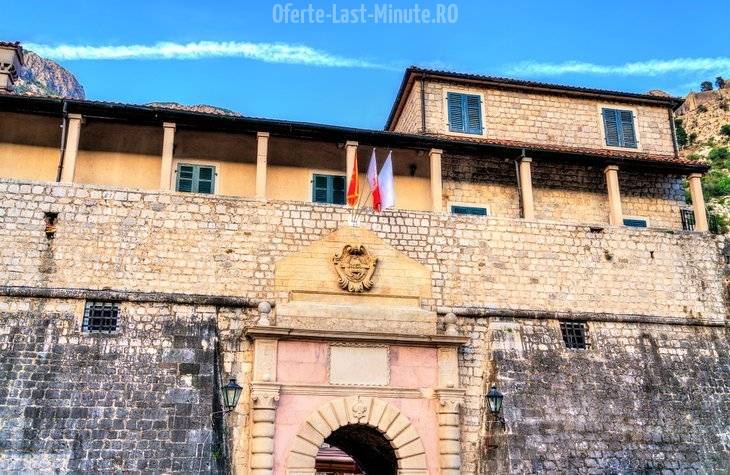 As a large part of the region, Kotor was under Venetian rule between 1420 and 1797 and during this time, the main entrance to the city was built in 1555. Known as the Sea Gate, is well preserved and has some notable signs.The symbol of Venice, a winged lion, is displayed on the walls here.The translation on November 21, 1944 is the day when the city was released by the Nazis during World War II.You will also see a communist star and a quote from the Tito President of Yugoslavia. But at the sea gate, you will enter the old city with walls, where you will meet a beautiful market bordered by Venetian stone buildings, now full of cafes and shops.Also, here is a three -storey Kotor clock tower and two clock faces.A focal city and meeting point dates from 1602 and has a combination of baroque and gothic architecture.
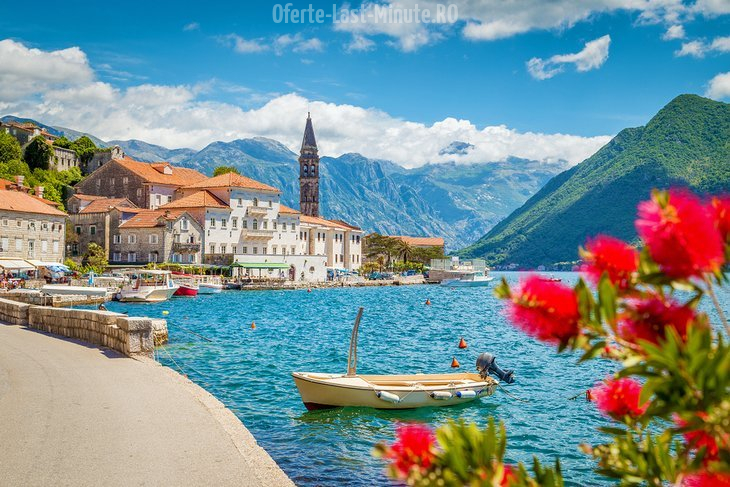 Another easy day trip from Kotor is a visit to Perast.Located in the northwestern corner of the Bay of Kotor, it is another picturesque and ancient city and also the starting point for the churches of the Virgin Mary and St. George, who are placed on the islands of the bay near the city.Although Perast does not have an adequate beach, you can make the locals and you can make the beach on the stone pier in front of the bay in hot summer days.
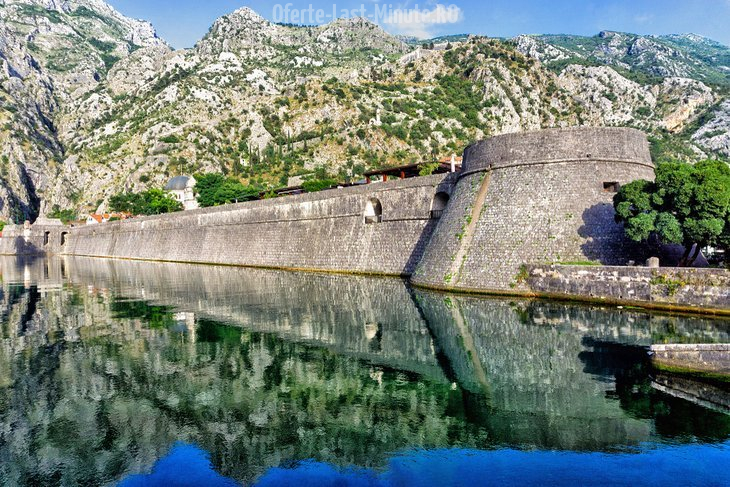 The walls of Kotor cover about 4.5 kilometers and are between two and 16 meters wide and up to 20 meters high.Although they may seem to break down at times, the walls are in quite good condition, given that their age dates from the 9th century.The river gate is the main entrance, where you will pay an entrance fee.Here, you will be offered a brochure that identifies the main attractions along the walk, which makes you climb over a thousand steep stone to amazing views of the top bay.The church dates from the fifteenth century and it is assumed to heal people suffering from the plague.If you do not want to do all the climb, it is also a good turning point.

