
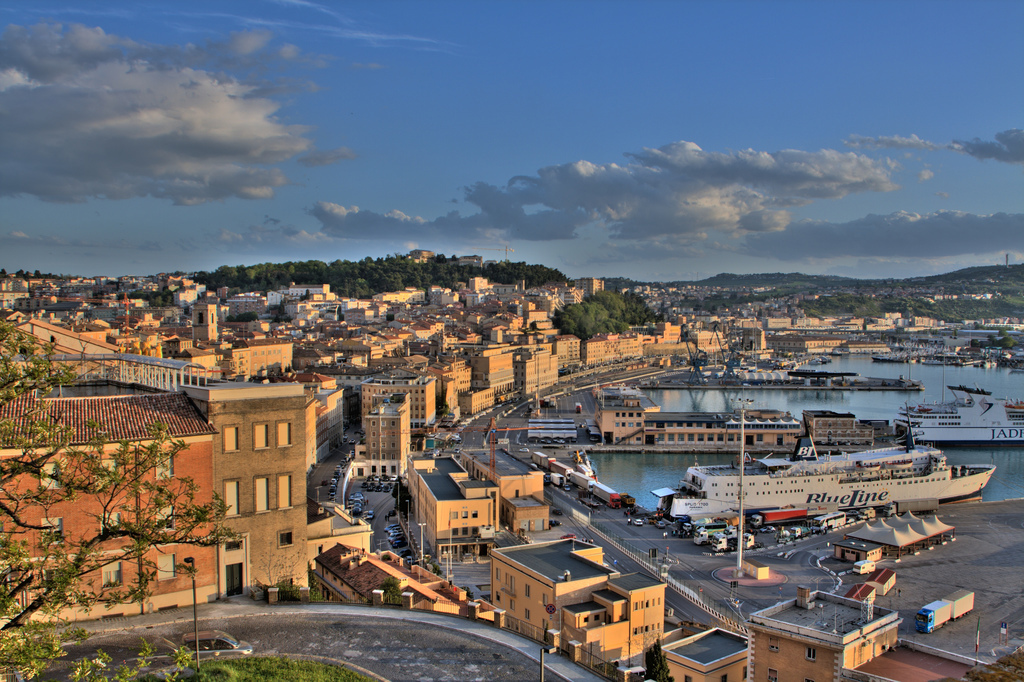
picturesque above the Adriatic Sea, Ancona was only recently discovered by tourists.Most of them arrive with the ferry in Croatia or Greece, or with a cruise ship on a shore trip to Loreto or other nearby tourist attractions.
About
Best period
The best months for good weather in Ancona are April, May, June, July, August, September, October and November
On average the hottest months are July and August
Tourist Attractions
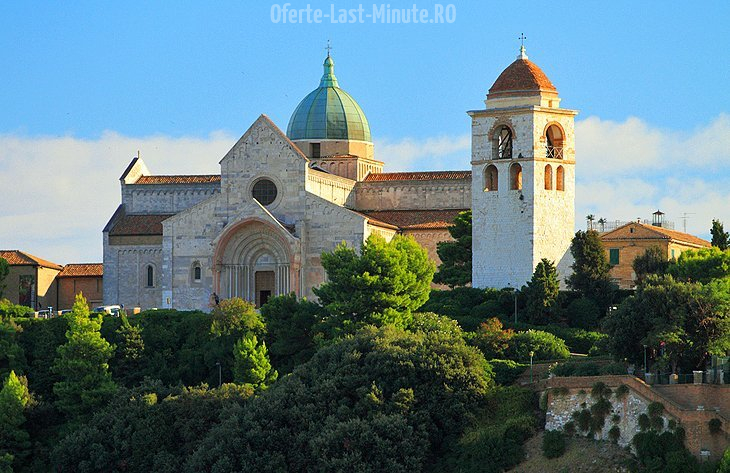 A flight of steps or a sinuous panoramic road leads to the top of Monte Guasco, where the cathedral was built on the site of a temple dedicated to Venus Euplea, the goddess who protected the sailors.crypt.The cruciform church with a Byzantine-Roman style is from the 12th century, and the facade has a gothic door, which is decorated with reliefs.From the top there are spectacular views over the city and the Adriatic coast.
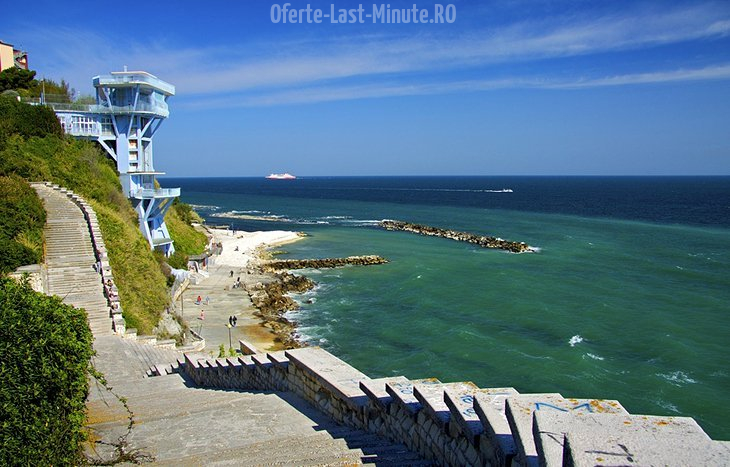 Above the high hill above the sea and the Passetto beach is the Passetto Monument of White Marble, a Memorial from the First World War in 1930 and strongly influenced by the style and decorative motifs of the fascist era.It is at the top of a long double staircase that descends into the right curves towards the beach below.Peak views in front of the monument can expand to the Croatian coast on a serene day. N Nadresa: via Vittoria, Ancona
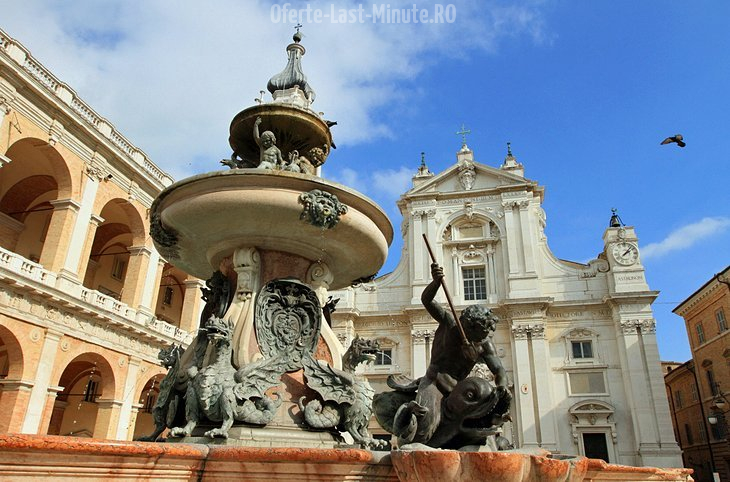 The small city Loreto is on a hill near the Adriatic Sea, about 20 kilometers south of Ancona.From the fourteenth century, it was the second most important pilgrimage place in Italy, after Rome. In the opposite of the legend, in 1291, the house of the virgin of Nazareth, Santa Casa, was transported by angels in a succession of places and, finally, in 1295, to the current place in Loreto.Santuario della Santa Casa, a Gothic-chief room with an exterior similar to a fortress, was started in 1468 and completed with the lifting of the dome in 1500.The three bronze doors are decorated with figures and bas -reliefs.The interior of the church has a beautiful Cristeln from 1607, and the two sacrists have a fifteenth century by Melozzo Da Forli and Luca Signorelli.On the walls there are scenes from the life of Madonea and the transport of Santa Casa to Loreto.In the same market, opposite the sanctuary, is Palazzo Apostolico, with paintings, tapestries according to the models of Rafael and Majolica in Urbino.
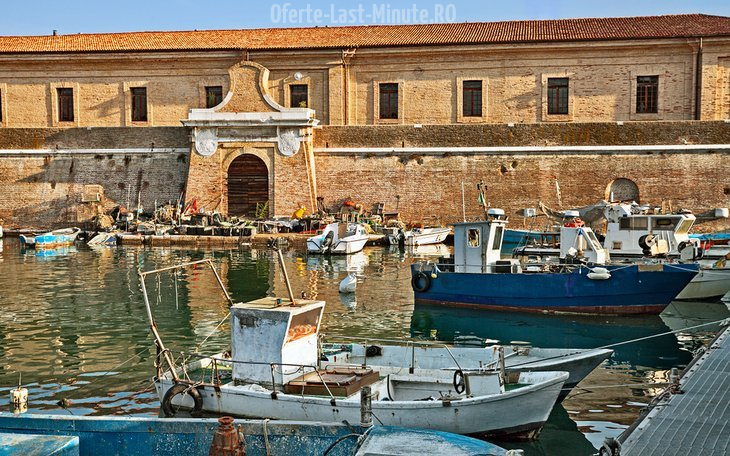 In the port of Ancona there is the Mole Vanvitellana massif, a pentagonal building that was once a quarantine station.Today he hosts one of the most unusual art museums in Italy.Barriers and alarms that normally prevent visitors from touching or approaching works of art are missing here, and visitors are invited and encouraged to achieve, experiencing art works in a multisenlar way.The ancient Greek masterpieces and some of Michelangelo's best -known sculptures.The original original works are of the sculptors from the middle of the century and contemporaries, including Giorgio de Chirico and Arturo Martini.These are cut reproductions that show the interior and construction details.The models of markets, castles and churches of the city, together with the bas-relief models, represent the Middle Ages. In one other section, the famous paintings are converted into 3-D images that visitors can reach and reach.The entrance to this extraordinary museum is free.
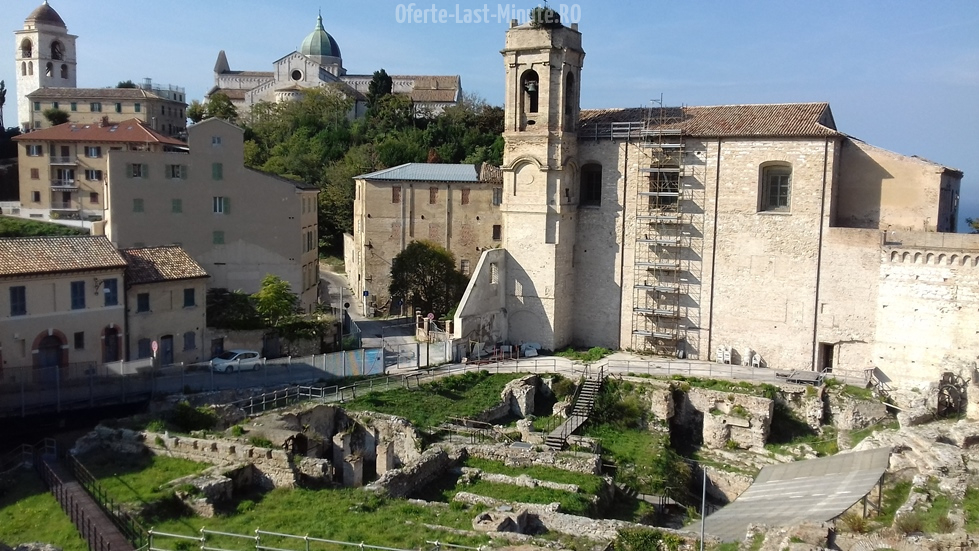 Built on the slope Monte Guasco, on the top of which is the cathedral, are the ruins of the great Roman amphitheater in Ancona, which was built during the reign of Emperor Augustus.He has hosted up to 10,000 spectators, but there was only one level from these terraces, along with two entrances.An annex has thermal baths with excellent mosaics.If you look carefully, you will see neighboring buildings that follow the original form of the theater complex. N Nadress: Piazza Anfiteatro, Ancona
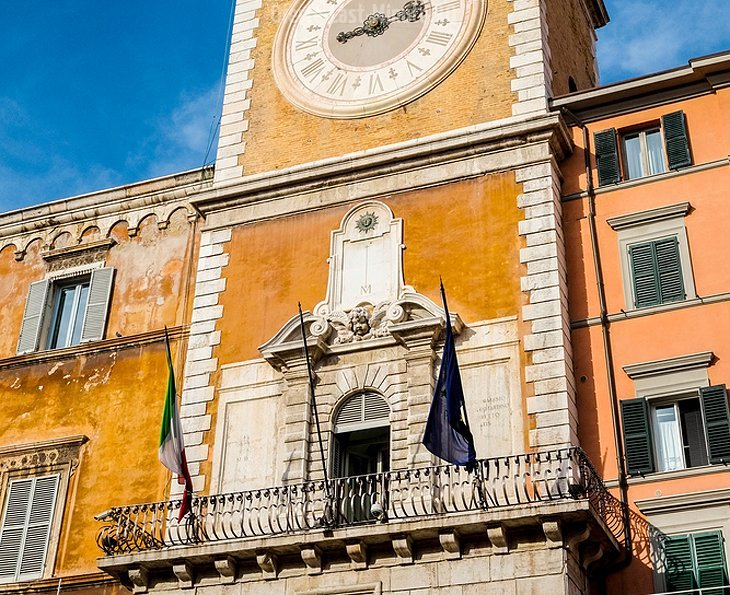 This long market is the favorite place of Ancona to relax or meet friends in a cafe, an elegant outdoor space, overlooking statues and historical public buildings.High at one end is the church of San Domenico, designed by Marchionni and built in the late 1700s. Inside, you will find a painting with the Crucifix by Titan.West by Palazzo del Governo is Loggia dei mercanti, a late Gothic style building, with a facade by Giorgio Orsini, and neighboring it, the beautiful Palazzo Benincasa from the fifteenth century.The fifteenth century, its upper layer decorated with effigies.
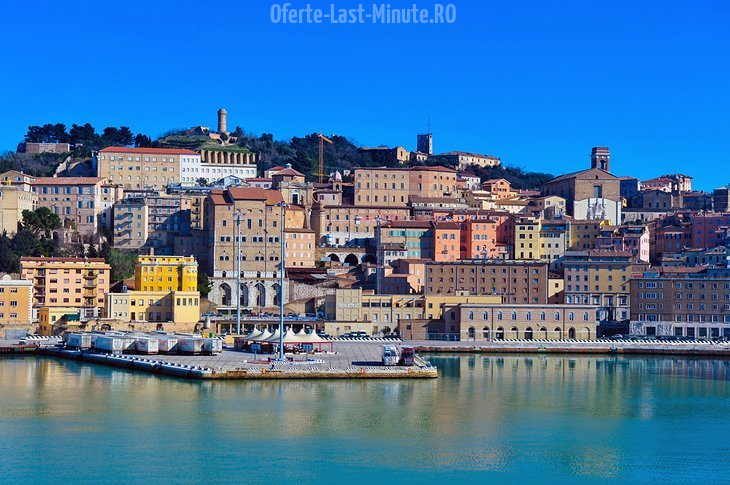 The Center of Traffic in Ancona - both on land and sea - is Piazza della Repubblica.On the west side is the port, a large oval basin that was used since the Roman era.At the northern end of the dam is the Arc de Triomphe Roman, Arco di Traiano, with an inion that records that it was erected in 115 AD.In the honor of Emperor Trajan and his wife and sister. In this area, Roman Vanvitelli was long, and a great archaeological excavation revealed the remains of the port structure and the walls built in the second century BC.to protect the port.You can visit the area on high alleys.Arco Clementino in the west is from the eighteenth century.
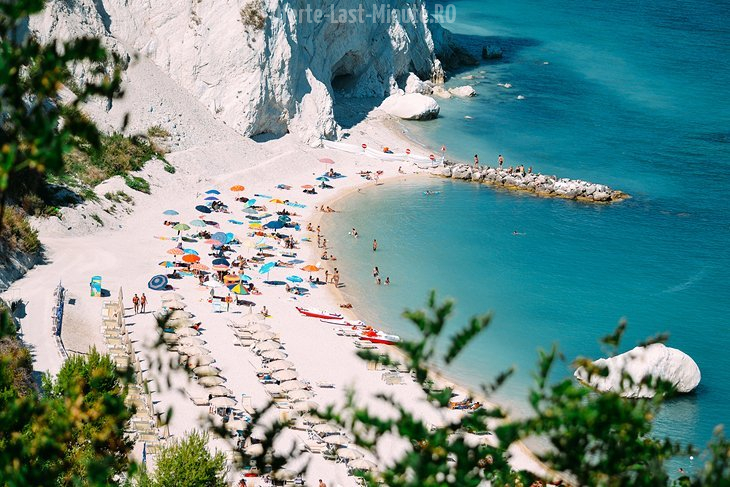 To the south of Ancona, Monte Conero rises 572 meters above the sea, a rocky promontory that is a regional park and a protected ecological area.Over a dozen hiking routes are interwoven throughout the park, and at the foot of the dramatic limestone rocks are 20 km of coast bordered by wonderful white beaches, with calm blue-green waters.Five of these are blue flag beaches;Some are accessed only on walking trails or by boat. In the northern end of the park, the closest to Ancona, at the distant mezzaval beach you can reach a path and has a small cafe.The long beach Portonovo is under a promontory and can be reached by a transfer bus from the city above.Near the beach in Portonovo is the Romanesque Church Santa Maria di Portonovo, built in 1034 of white limestone.Snorklers do not mind that they have to go on the rocky shore of Sasi Neri, near Sirolo, for its clear blue water.The city of Sirolo has much of its intact past and the sensation of a medi village with narrow streets and markets overlooking the Mountain and the beaches below.The old fishermen village Numana, now a popular beach escapade, was a Roman port, repeatedly robbed in the Middle Ages.There was little left of his past, but a sea-view arch was once part of a medi church.
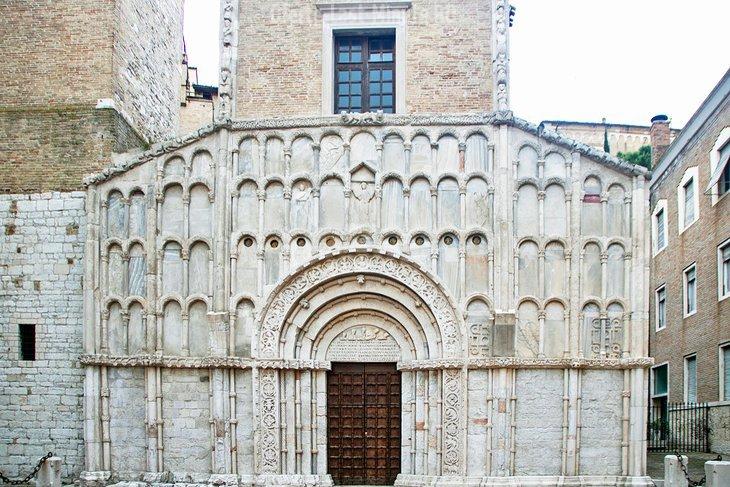 Inside the church of Santa Maria della Piazza from the beginning of the 13th century, you can see the remains of the floor of a church from the 6th century, one of the two on the foundation of which the current church was built.The portal is complex carved, and the lower part of its very decorated facade is plated with chisel and elegantly decorated with small arches.The interior is simple, in the form of a Latin cross, with a ship, two corridors and a raised altar.The whole church is an excellent example of Romanesque architecture and, together with the cathedral, one of the two most important churches in Ancona.
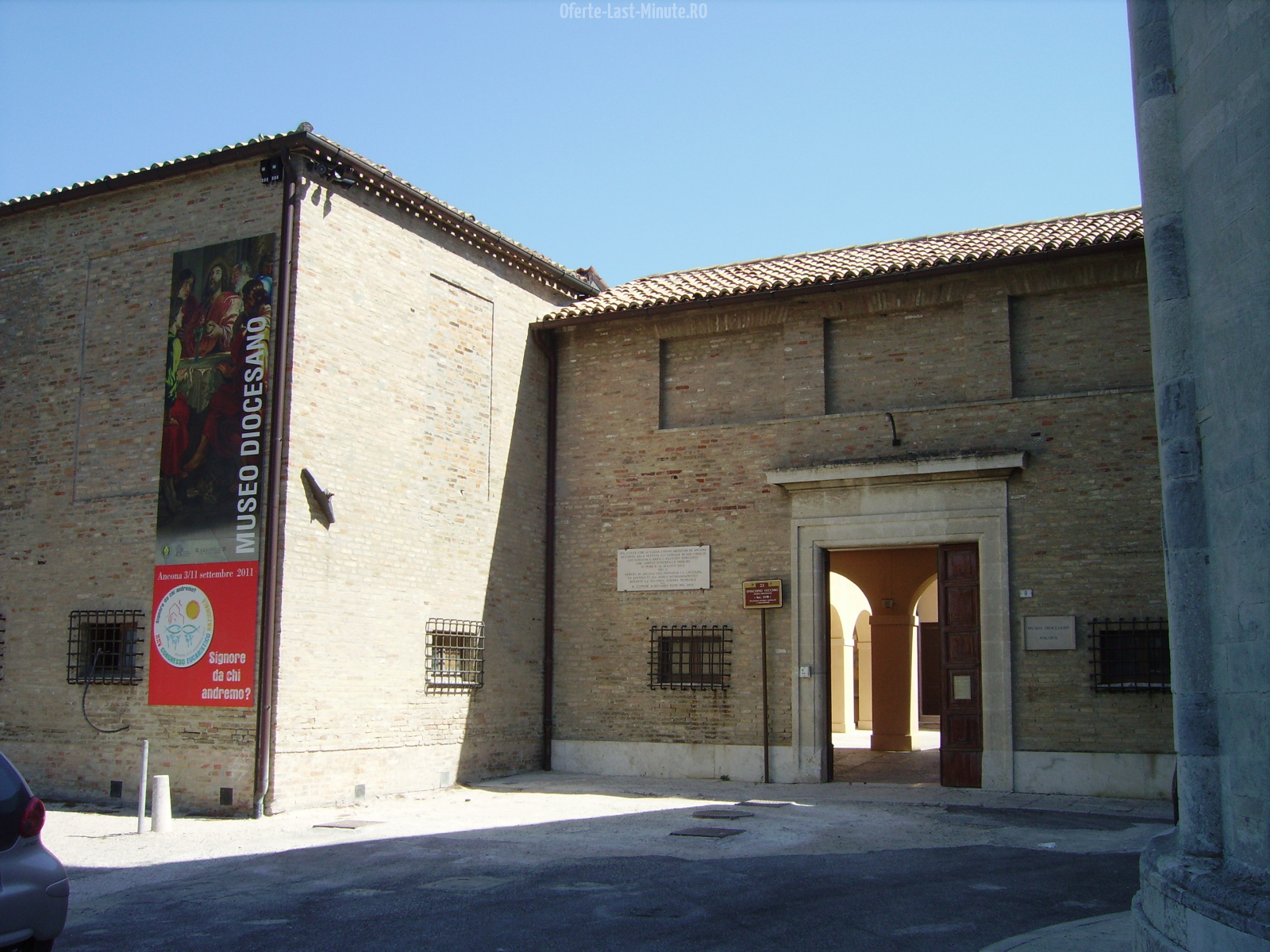 The eparchial museum is located in the former episcopal palace on the left of the cathedral and contains not only the cathedral treasury, but also works of art from other churches, some of which were irreparably destroyed or damaged during World War II, when the port of Ancona was strongly bombarded..Also, remarkable are the early Christian sarcophagus with carved decorations belonging to Flavius Gorgonius, a Pretorian prefect in the fourth century, and the San Dasio sarcophagus, a martyr of the 6th century.

